
Metro Magazine

 MENU
 SEARCHMENUSEARCH
Loading data...

Strategically-adjusted train and bus schedules, across all seven corridors, vary from minor changes to departure and arrival times, to significant service changes and additions.
Read More →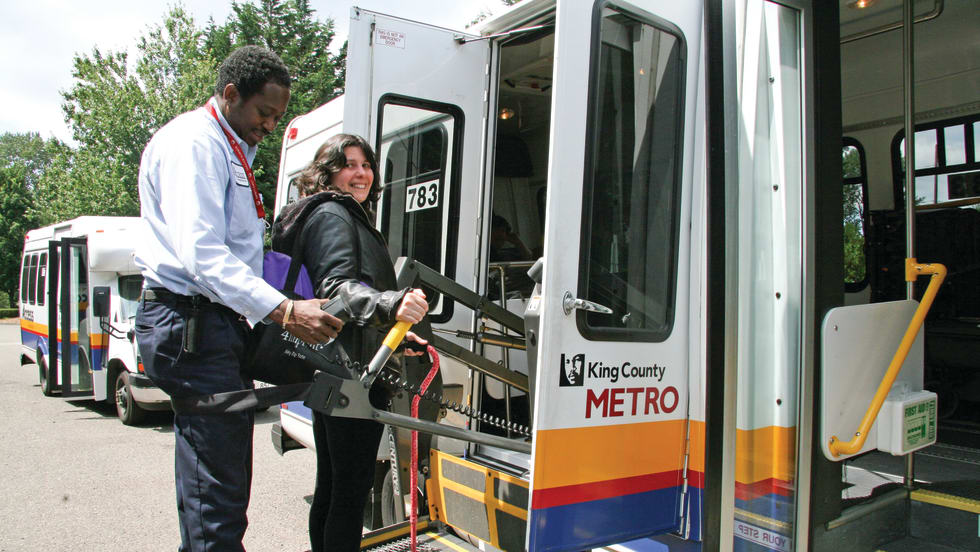

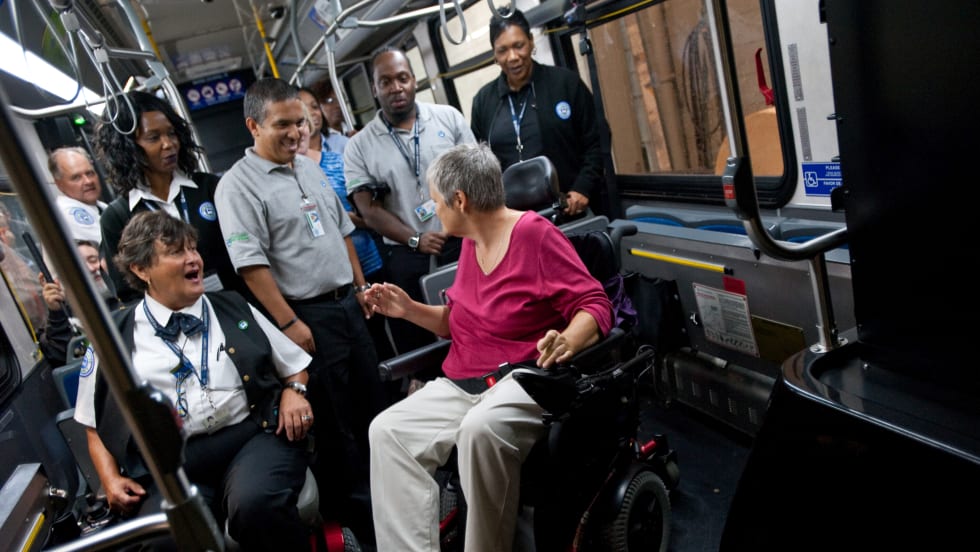
Decades of deferred repairs and modernization projects have many transit agencies scrambling to keep trains and buses in operation.
Read More →What’s new? Not much. Ridership is still high, and funding is still vanishing. Many providers are still looking to technology to cope and some are including new types of vehicles in their fleets. Travel training, which appears to be growing in popularity, may be a partial solution.
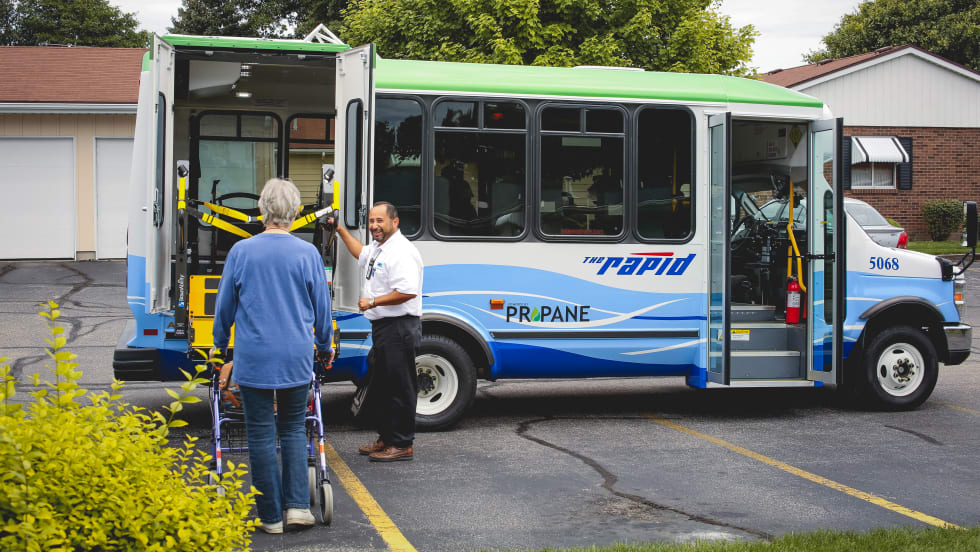
Read More →Development of travel training programs to offset some demand continues growth, while taxi usage is steady.
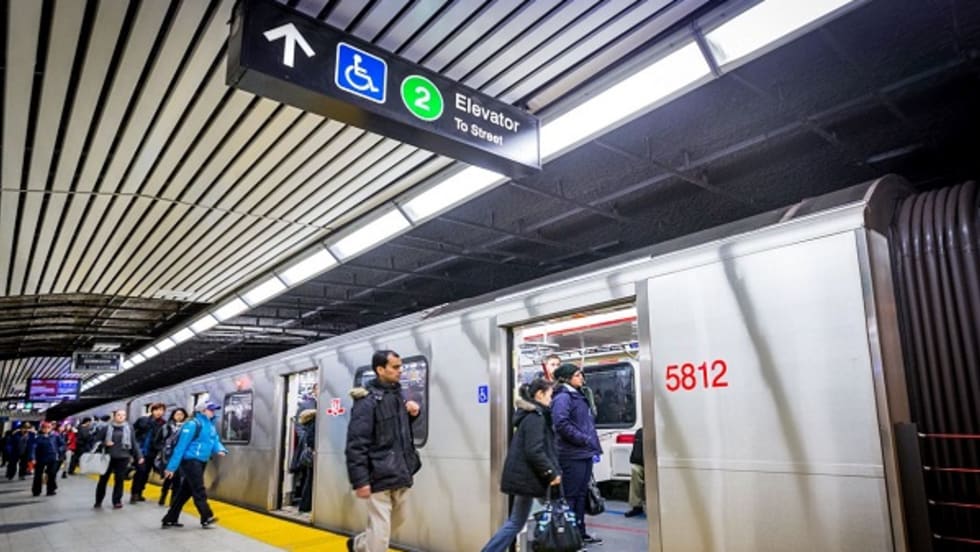
Read More →Daily ridership is now at 50% of TTC’s pre-pandemic levels and customer trips are more evenly spread throughout the day.
Read More →Aging baby boomers and population growth force paratransit providers to get creative to meet service demands with limited resources. Our second annual survey uncovers economic trends, operational challenges, accessibility issues and more.
Read More →As rail budgets tighten and agencies are looking to get more for their limited funds, suppliers have seen more requests for specialized equipment such as vehicles that incorporate several functions into one machine.
Read More →When possible, linking paratransit trips with fixed-route bus and rail routes can drastically cut costs and increase mobility options.
Read More →The cooperative orchestrates the “optimal and cheapest combination of trips, originating from many different transportation authorities and different booking interfaces, utilizing vehicle resources from many different private transportation operators.”
Read More →With ridership and costs up on systems around the nation, many are looking for ways to not only eliminate some of those costs, but also, in many cases, expand mobility for seniors and people with disabilities.
Read More →