
Metro Magazine

 MENU
MENU SEARCHMENUSEARCH
Loading data...
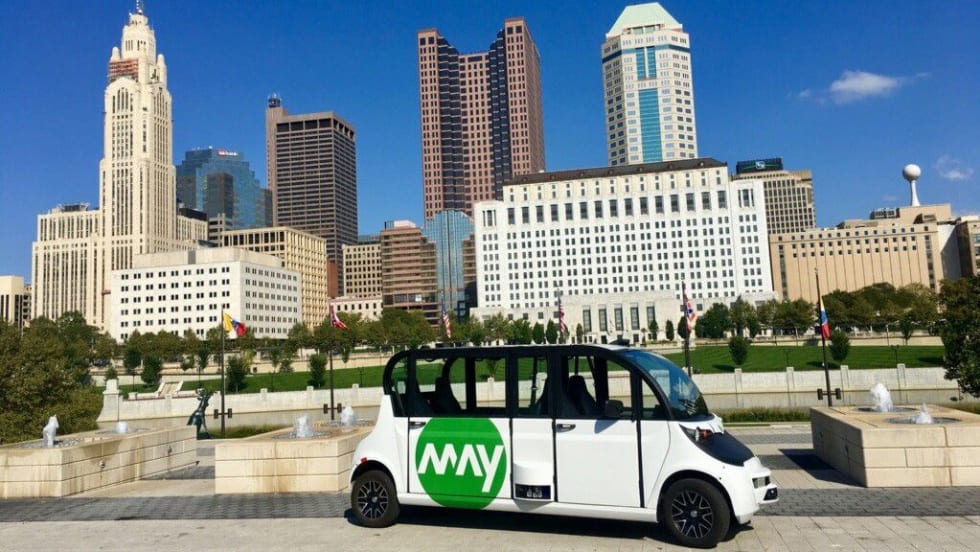
Could either massively increase or drastically cut greenhouse gas emissions depending, in large part, on public policy, researchers say.
Read More →
Women accounted for less than 15% of the total transportation workforce in 2017, according to data.
Read More →
With the Baby Boomer generation well into retirement, cities have demonstrated an emerging interest in developing age-friendly cities.
Read More →
The 32 University Transportation Centers receiving funding were previously selected for grants authorized under the FAST Act.
Read More →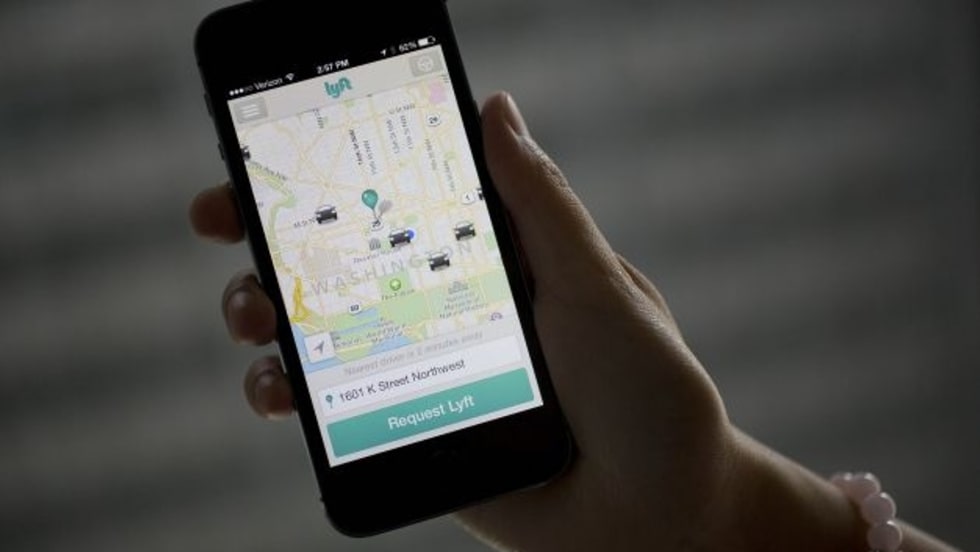
Today, 36% of U.S. adults say they have used a ride-hailing service such as Uber or Lyft, according to the Pew Research Center.
Read More →
How partnerships between public agencies, universities, and the private sector are driving innovative research-based approaches.
Read More →
Company has been conducting research into replacing natural rubber from the tropics with plants since 2011.
Read More →
Study discovered higher rates of airborne infections in Londoners that have longer subway journeys through busier terminals.
Read More →
Bus drivers experience higher levels of MSDs than both the general population and other employees at transit agencies.
Read More →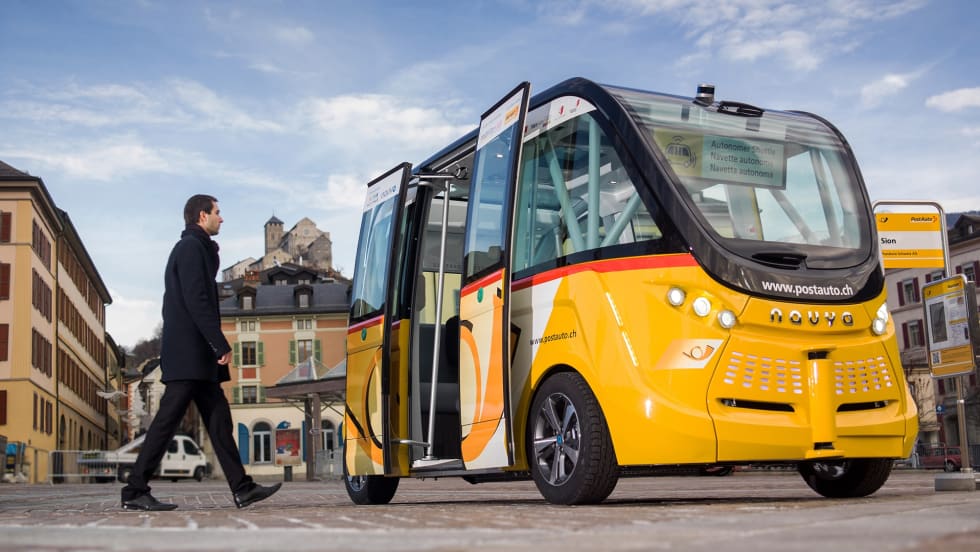
AVs carrying sleeping occupants could congest highways at night and commercial sex in moving AVs may become a growing phenomenon.
Read More →