Metro Magazine

 MENU
 SEARCHMENUSEARCH
Loading data...
Designed to accommodate customers making rail-to-rail connections, as well as bus-to-rail connections.
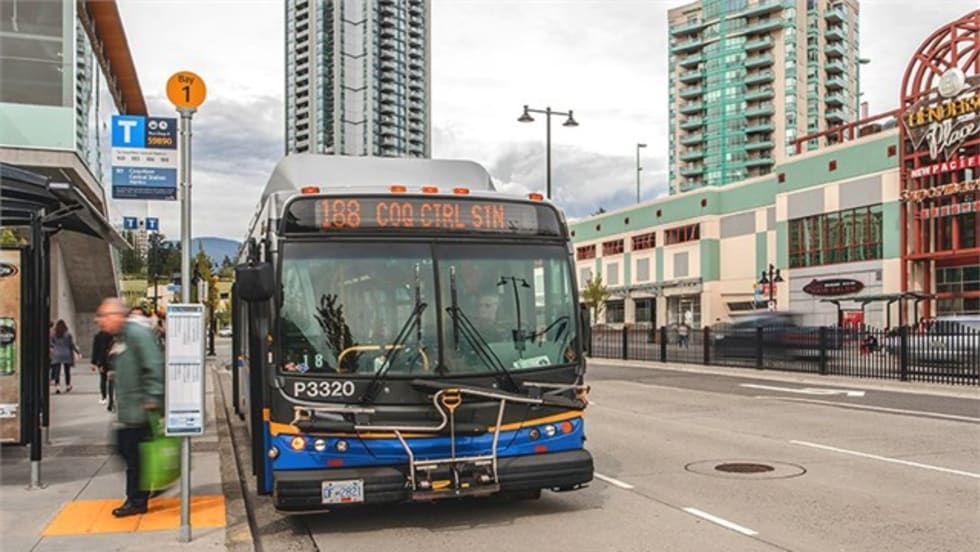
Read More →The technology, known as "queue jump," is part of a package of improvements designed to speed bus trips and keep service on time.
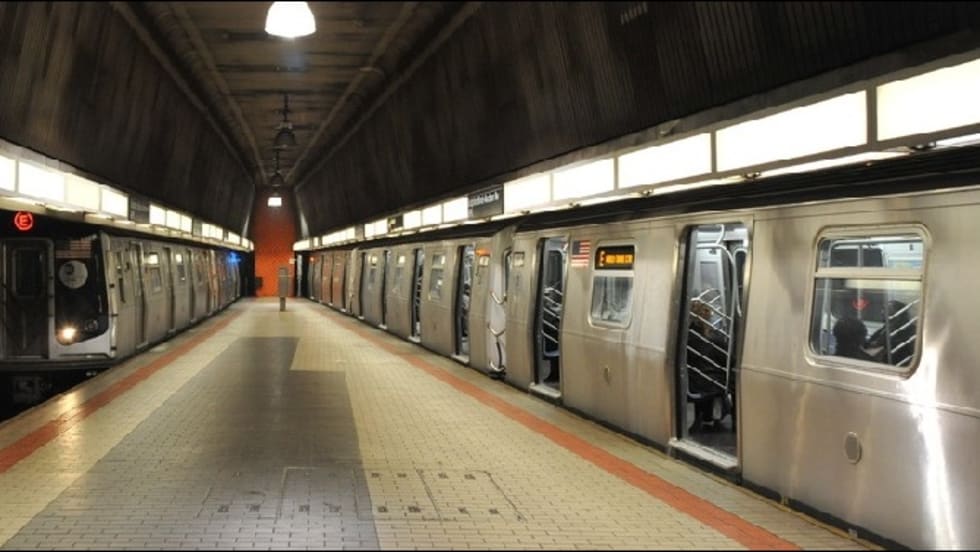
Read More →New York City Transit is joining a growing list of agencies providing mobile phone access in subways, which in addition to becoming an added security amenity for passengers, will be a boon for reasons of safety and security.
Read More →In addition to training and performance monitoring, anti-collision systems and lane departure management, are some tools being used by today's passenger carriers to ramp-up safety efforts.
Read More →Will also be looking at developing a wayfinding technology pilot that will help customers better navigate the system using data sent directly to a phone or tablet.
Read More →The $156 million contract is to install the system on the Queens Boulevard Line, one of the busiest subway lines on the New York City Transit system.
Read More →Nowadays, there’s an app for everything. Very few of those apps can turn an everyday transit rider into a hero who summons help for a person in distress. A routine ride on your transit system can be suddenly disrupted if you witness an assault, a crime in progress or a medical emergency. That is why apps designed for public safety must take all imaginable scenarios into consideration.
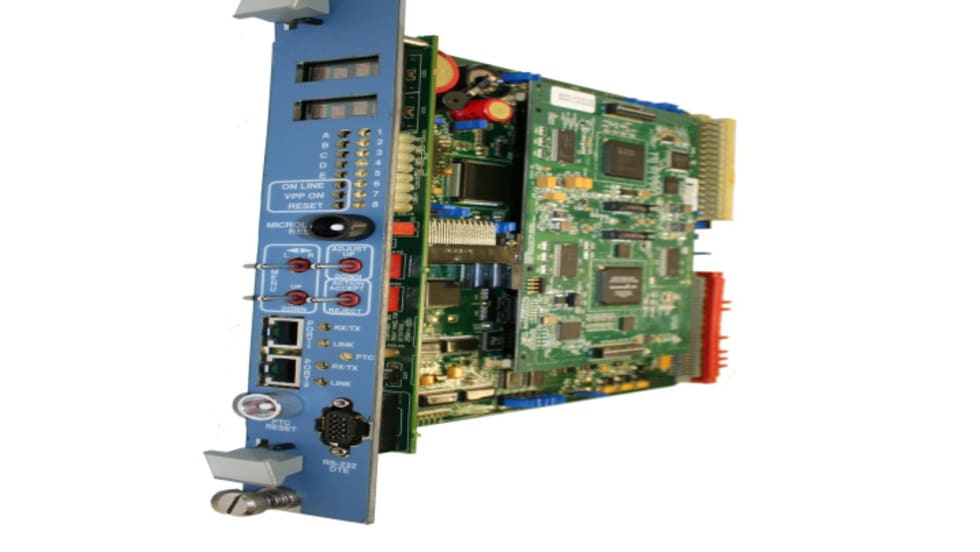
Read More →The MicroLok II VitalNet CPU, a Positive Train Control (PTC) central processing unit, provides Vital PTC compatibility that enables Ansaldo STS USA's customers to leverage existing and new MicroLok II wayside signaling investments in concert with PTC implementation. An existing MicroLok II CPU board is easily exchanged with a VitalNet CPU board, providing a PTC-ready interface.
Read More →