



Sacramento unveils etiquette campaign
Artwork to feature "the Beanies" family.
In the next few months, Sacramento (Calif.) Regional Transit (RT) riders will be greeted with signs, posters and cards that are part of a new transit etiquette campaign, designed to remind riders of what is acceptable behavior while riding the bus or train.
The RT performed extensive market research, including a community telephone survey, an onboard rider survey and a focus group comprised of riders, potential riders and RT staff. “Nuisance behavior” (loud talking, using offensive language, taking up more than one seat), the staff found, can discourage potential passengers and can keep regular passengers from riding more frequently. In the focus group, the number one complaint participants had about taking the RT was putting up with “obscene language.”
According to results from the onboard rider survey conducted by RT, of 2,300 bus and light rail passengers, 18 percent of bus and light rail passengers, 17 percent of light rail passengers and 21 percent of bus passengers said that nuisance behavior is a concern. In a telephone survey, of 2,000 households, 29 percent of potential riders and non-riders said that nuisance behavior was an issue for them.
Before it planned the campaign, RT relied on typical methods used by transit authorities: a contracted security force and the ubiquitous “No Eating or Drinking” signs found in many public transit areas.
Alane Masui, public information manager for RT said, “We hope to remind people what proper riding behavior is. This campaign also lets our passengers know that we’re being proactive in addressing nuisance behavior.” She added that while RT hopes riders get the message the conventional way, sometimes people don’t realize that they are speaking loudly, or that their behavior is bothering others, and that a reminder is always helpful.
“We want to remove barriers that discourage potential riders from using the system” said Masui.
The idea for the campaign was developed by RT general manager and CEO Dr. Beverly Scott, and the materials are being created in-house by RT graphic designer Elaine Robinson. RT is currently finalizing the campaign materials, including exterior bus ads, posters and interior car cards for the bus and light rail systems.
The artwork in the campaign depicts a cartoon family called the “Beanies.” It features nuisance behavior juxtaposed with desirable behavior in two cartoon panels. (For example in one set of panels, a “Beanie” character, in the left panel, is shown eating and drinking, with food spread out on the seat next to him, and in the right panel he is shown carrying food on his lap, instead of eating on the bus and using up additional seats.)
This is the first etiquette campaign that the RT has organized that is directed at nuisance behavior in at least eight years, said Masui. It’s not the first one in the industry; transit authorities in Denver, New York and Canada have all ran etiquette campaigns in the past, and the New Jersey Transit Authority will soon begin a transit campaign of its own.
At first, the campaign will not cost the transit authority anything, since they will publish the campaign elements in publications they already run, like their passenger newsletter. They also plan to get community support to finance the campaign. “We are hoping that if we identify some community partners, there will be an opportunity for sponsorship,” said Masui.
The campaign will be ongoing. “It’s not a one-time campaign; it has a long shelf life,” said Masui. “The message is universal in that it doesn’t just apply to public transit space, but to any public space. These behaviors don’t just happen on the bus and train. You can go to the mall or store and see it. These behaviors are in the community.”
More Management
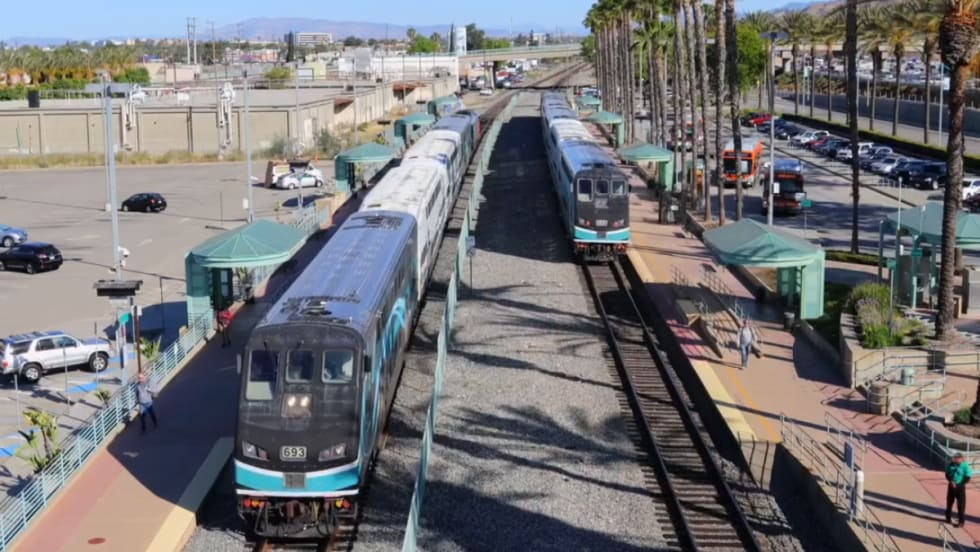
Southern California’s Metrolink Approves $508.8M Budget, Avoids Service Cuts
A $20 million state allocation allows the regional rail agency to maintain existing weekday and weekend service through fiscal year 2028, although longer-term funding challenges remain.
Read More →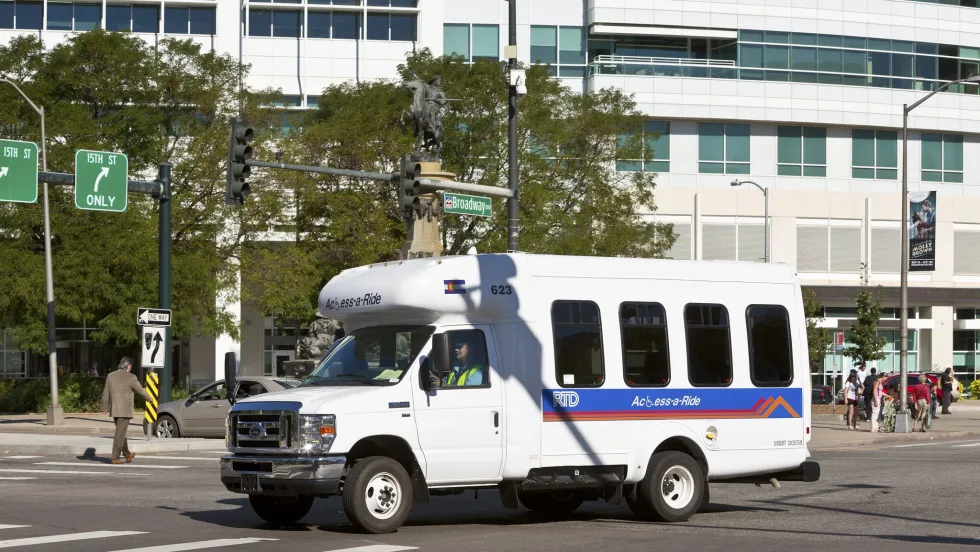
Denver RTD Committee to Review Paratransit Services, Improve Accessibility
The committee will oversee an independent study of paratransit operations, gather customer feedback, and recommend improvements to service reliability, accessibility, and accountability.
Read More →
Castro to Lead RTC of Southern Nevada and More in People Movement
In this edition, we also cover recent appointments and announcements at the STV, MCI, and more, showcasing the individuals helping to shape the future of transportation.
Read More →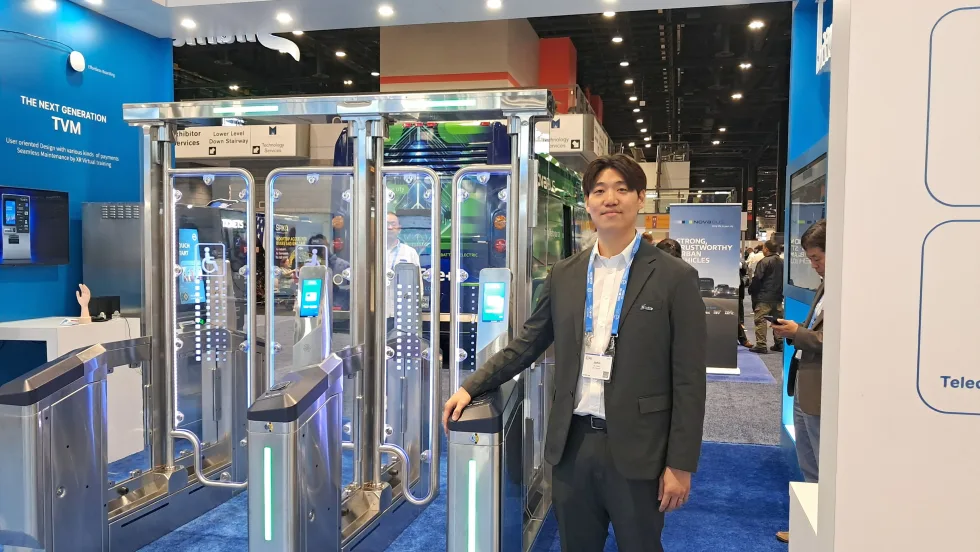
STraffic Expands North American Presence with Fare Collection Technology
John Moon, Associate Director, Product Strategy at STraffic, discusses the company's growth in North America, its efforts to reduce fare evasion, and more.
Read More →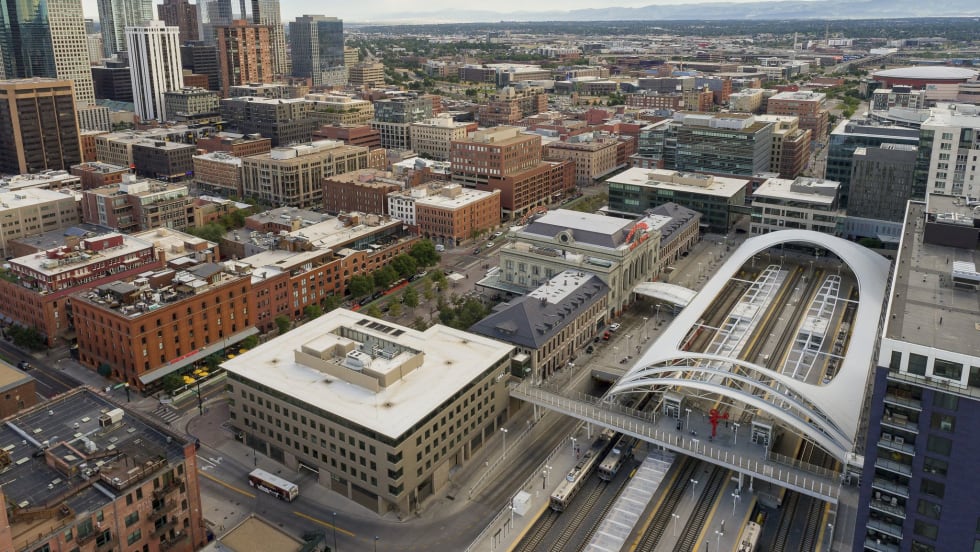
Study: Denver RTD Generates $2.1 Billion in Annual Economic Activity
An economic impact study finds the agency supports approximately 17,500 jobs, delivers $1.6 billion in annual community and mobility benefits, and generates $2.42 in economic value for every dollar invested.
Read More →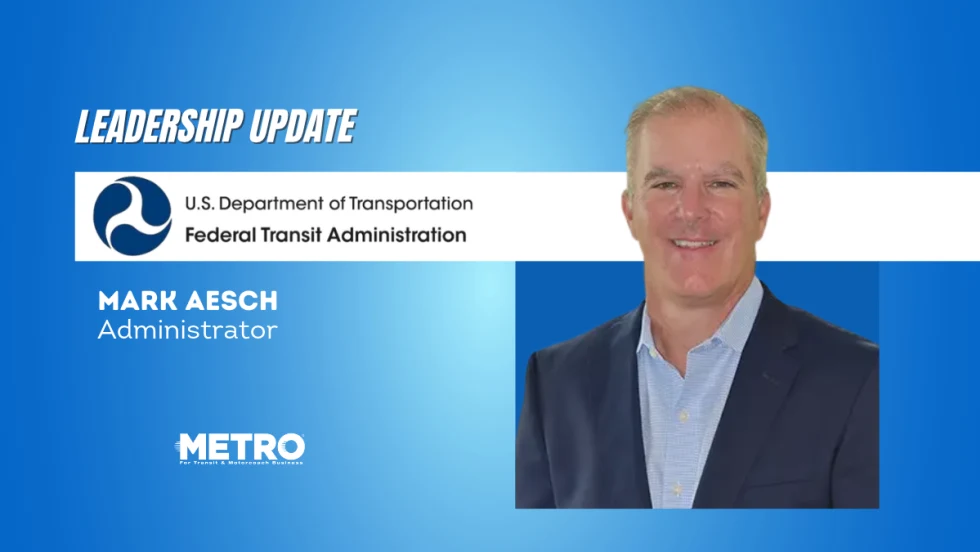
Mark Aesch Nominated to Lead Federal Transit Administration
The former Rochester transit chief and TransPro founder, who has also contributed to METRO Magazine, brings decades of industry experience and a focus on performance, accountability, and financial sustainability to the nomination.
Read More →
Best and Worst U.S. Cities for Public Transportation in 2026
A new analysis of 50 major U.S. urban areas ranks public transit systems based on accessibility, affordability, usefulness, and safety, highlighting where transit performs best and where challenges remain.
Read More →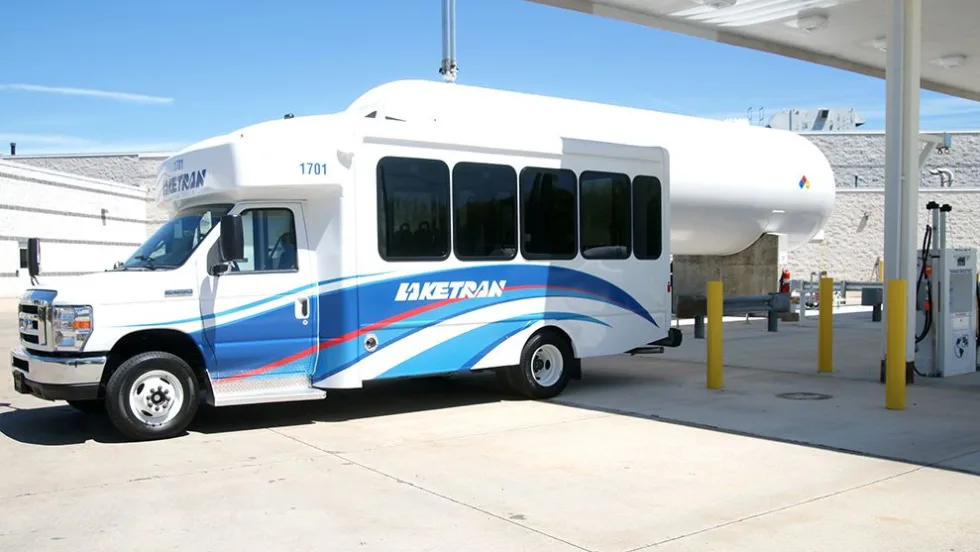
Laketran Cuts Fuel Costs, Boosts Efficiency with Propane-Powered Fleet
The Ohio transit agency is using propane-powered vehicles and on-site fueling infrastructure to cut fuel and maintenance costs while meeting growing demand for paratransit services.
Read More →
Canada’s Public Transit Supports $65.6 Billion in Annual GDP
New research from the Canadian Chamber of Commerce examines transit's economic contributions, including job creation and the financial implications of transportation investment.
Read More →
Pierce Transit Moves to Expand Fleet Following Proposition 1 Approval
The agency authorized the purchase or refurbishment of up to 60 buses to support a 47% service expansion, as voters nationwide approved billions in new transit funding.
Read More →