
Metro Magazine

 MENU
MENU SEARCHMENUSEARCH
Loading data...
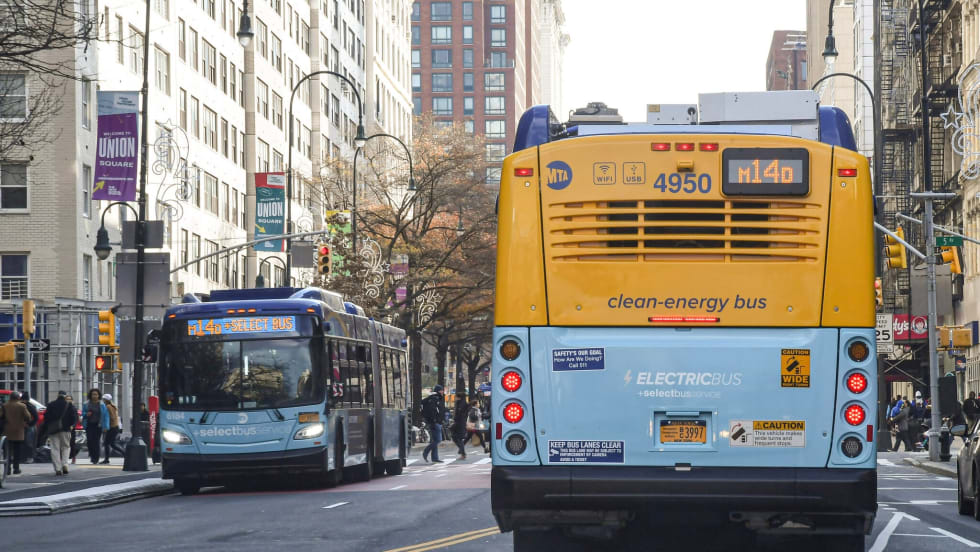
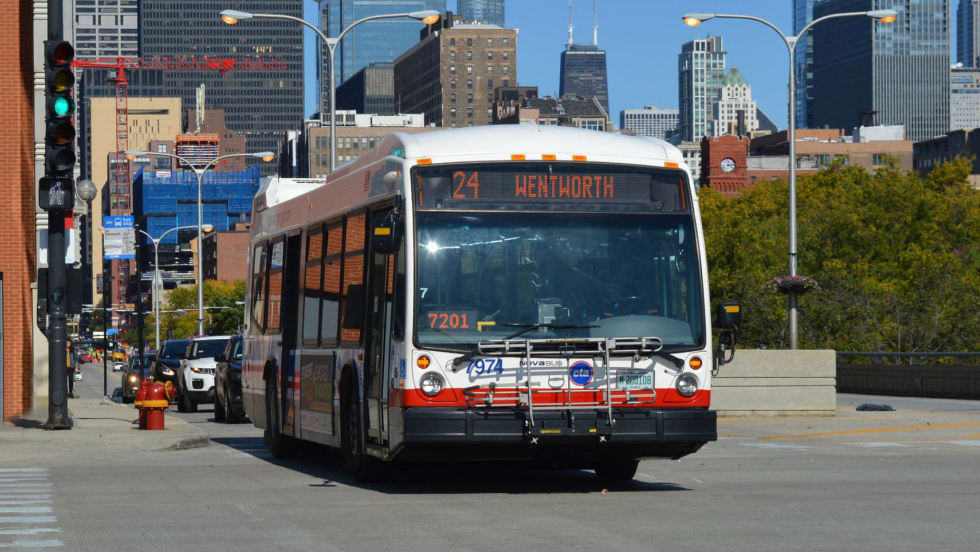
Funded by the President’s Bipartisan Infrastructure Law, more than 1,100 of the 1,800 vehicles being funded will use zero-emissions technology, which reduces air pollution and helps meet the President’s goal of net-zero emissions by 2050.
Read More →
Grants can be applied to technologies ranging from systems that detect and prevent wrong-way crashes to advanced technology to improve trucking operations and terminal operator activities at a port.
Read More →FTA plans to share findings with the public so research organizations, transit agencies, and others can learn from and expand upon the insights developed from research.
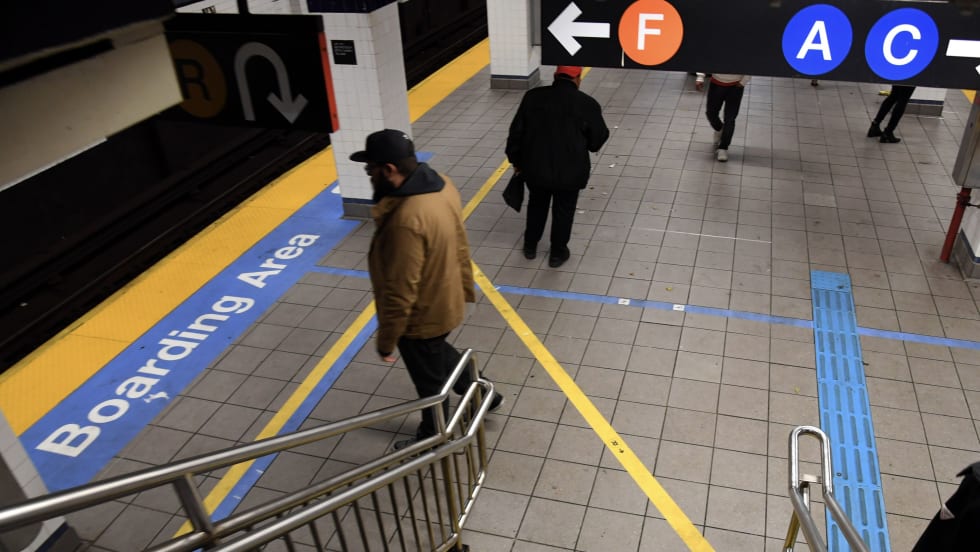
Read More →The funding will help agencies retrofit subway stations so people who need an elevator or ramp — including people who use wheelchairs or have limited mobility — can still reliably access the rail systems serving their communities.
Read More →The BSB Program is the latest in a series of initiatives launched by the CTA to bring equity and inclusion to all aspects of its operations.
Read More →Spanning nearly 40 years and mandated by Congress, the DBE and ACDBE programs are intended to prevent discrimination, and remedy the continuing effects of past discrimination, against small businesses owned and controlled by disadvantaged individuals.
Read More →Over the last several weeks, the agency has implemented safety plans to address track conditions and maintenance, updated safety trainings and directives, and has addressed staffing shortages.
Read More →The investment electrifying ferries is just one component of the Bipartisan Infrastructure Law’s major investment in moving to electric transportation infrastructure.
Read More →The first line is expected to begin service in fall 2023.
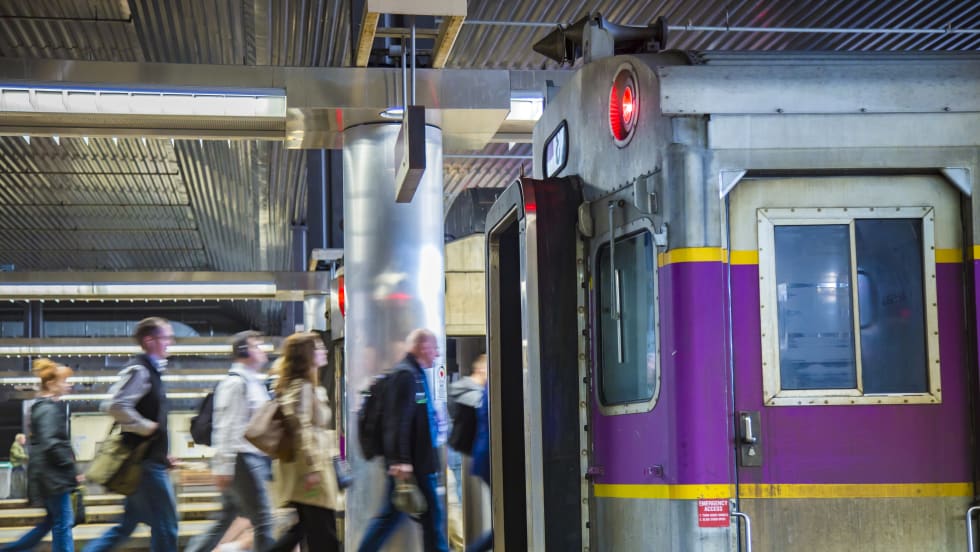
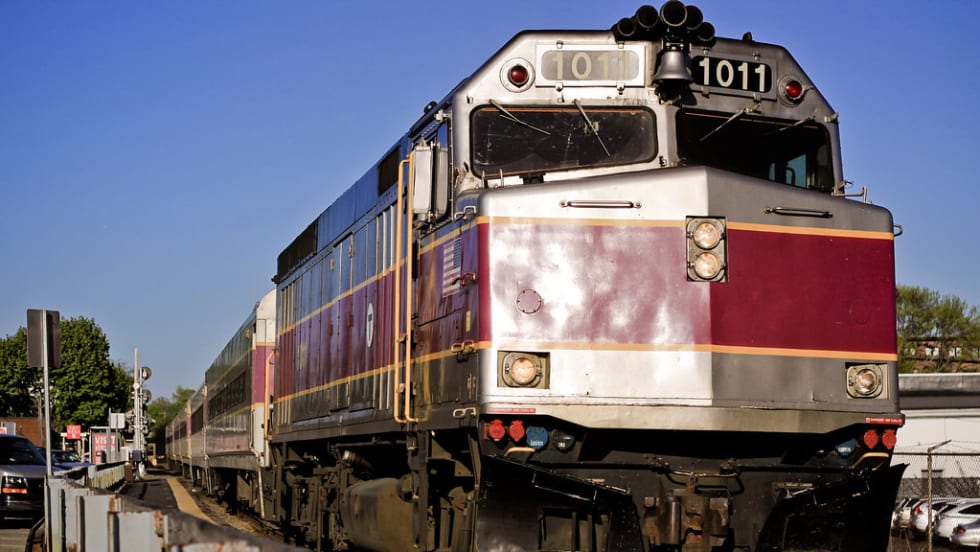
Read More →The special directives being issued are a result of the FTA's safety management inspection of the MBTA that began April 14, 2022.
Read More →