



FTA Offers $1.75B to Make Public Transportation Rail Stations More Accessible
The funding will help agencies retrofit subway stations so people who need an elevator or ramp — including people who use wheelchairs or have limited mobility — can still reliably access the rail systems serving their communities.

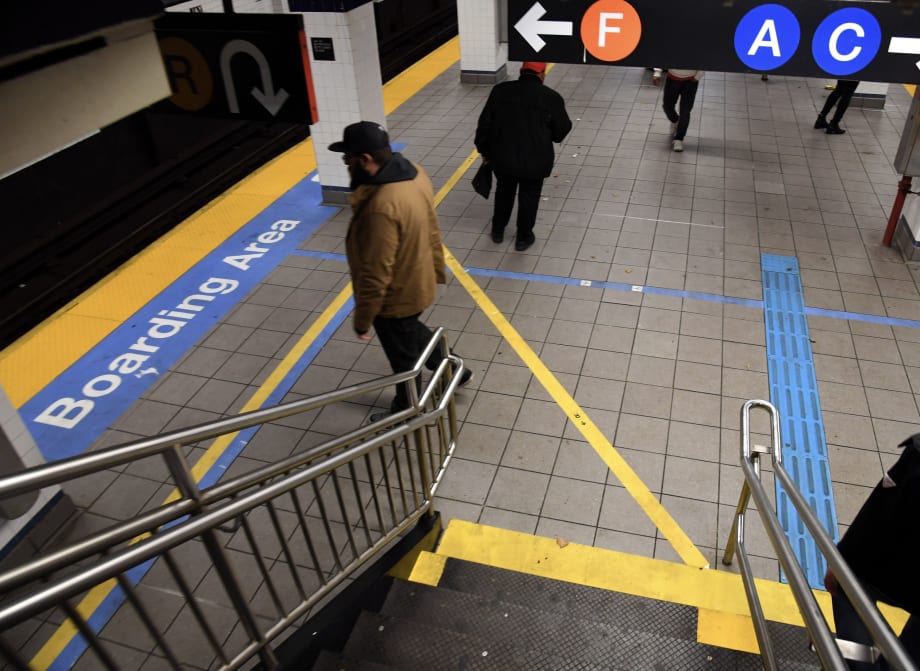
Funding through ASAP ensures those relying on rail systems can get to work and school, be less dependent on vehicles, save money, and reduce greenhouse gas emissions.
Marc A. Hermann
Thirty-two years after the passage of the Americans with Disabilities Act, U.S. rail systems will get a significant boost in federal funds to improve accessibility for all riders. Thanks to President Biden’s Bipartisan Infrastructure Law, the Federal Transit Administration (FTA) announced it will provide $1.75 billion to make it easier for people to get on board at the nation’s oldest rail public transportation systems, including $343 million in a notice of funding availability.
The funding will help agencies retrofit subway stations so people who need an elevator or ramp — including people who use wheelchairs or have limited mobility — can still reliably access the rail systems serving their communities.
“While our country has made enormous progress in the three decades since passing the Americans with Disabilities Act, too many people with disabilities still don’t have access to reliable public transportation,” said U.S. Transportation Secretary Pete Buttigieg. “Using funds from President Biden’s Bipartisan Infrastructure Law, we are modernizing some of our oldest public rail stations and ensuring that more Americans count on our transit systems to get where they need to go.”
The All Stations Accessibility Program (ASAP) is a new discretionary grant program created by the Bipartisan Infrastructure Law that will increase access to transportation systems and advance the Biden-Harris Administration’s priorities of promoting equity, addressing the workforce shortage, and boosting economic strength. Funding through ASAP ensures those relying on rail systems can get to work and school, be less dependent on vehicles, save money, and reduce greenhouse gas emissions.
Inaccessibility is a significant hurdle for riders using rail systems built before 1990, known as legacy systems. Over 900 transit legacy stations are not fully accessible today. ASAP will provide support for transit agencies to repair, improve, modify, retrofit, or relocate infrastructure of stations or facilities for passenger use. Planning activities by transit agencies seeking to improve accessibility also qualify for ASAP funds.
Given that many inaccessible rail stations are concentrated in dense urban areas, millions of transit riders across the country are impacted by the lack of infrastructure that supports assisted devices, such as wheelchairs or crutches. Additionally, people experiencing a temporary disability, caregivers, and parents with strollers are adversely impacted by the lack of these accommodations.
“Equity depends on accessibility. FTA is committed to ensuring transit systems nationwide are available to people with disabilities and that they are able to use transit systems with the same ease and reliability as any other user,” said FTA Administrator Nuria Fernandez.
The program builds on many other critical investments Department of Transportation is making to improve transportation accessibility — including the $1 billion in Airport Terminal Grants, made possible by the Bipartisan Infrastructure Law and announced earlier this month, that are helping to make gates, security, bathrooms, and airport drop-offs and pick-ups more accessible, as well as the first ever Passengers with Disabilities Bill of Rights, which is helping ensure passengers with disabilities have access to safe, fair and accessible air travel.
More Paratransit
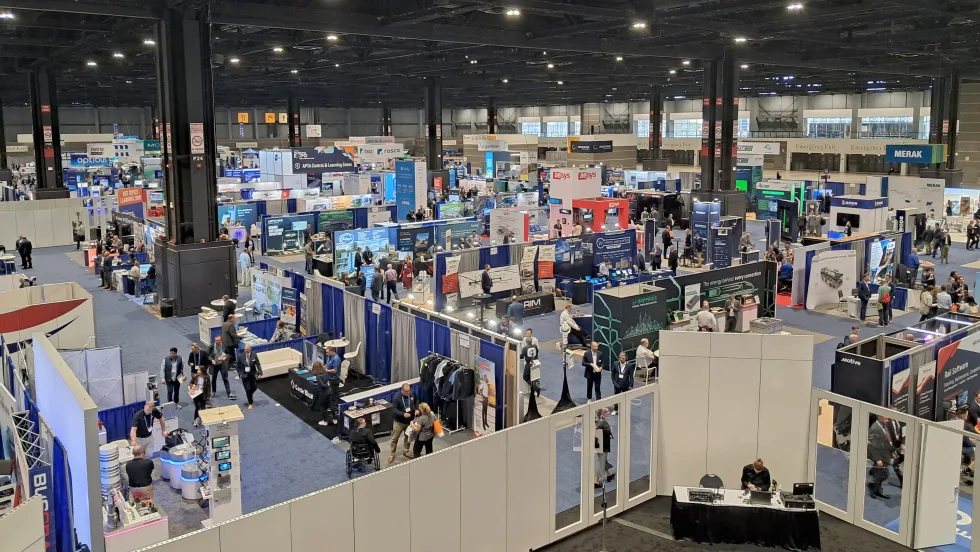
Scenes from APTA TRANSform & EXPO 2026
Transit leaders, manufacturers, and industry professionals gathered in Chicago to explore new technologies, share ideas, and discuss the future of public transportation.
Read More →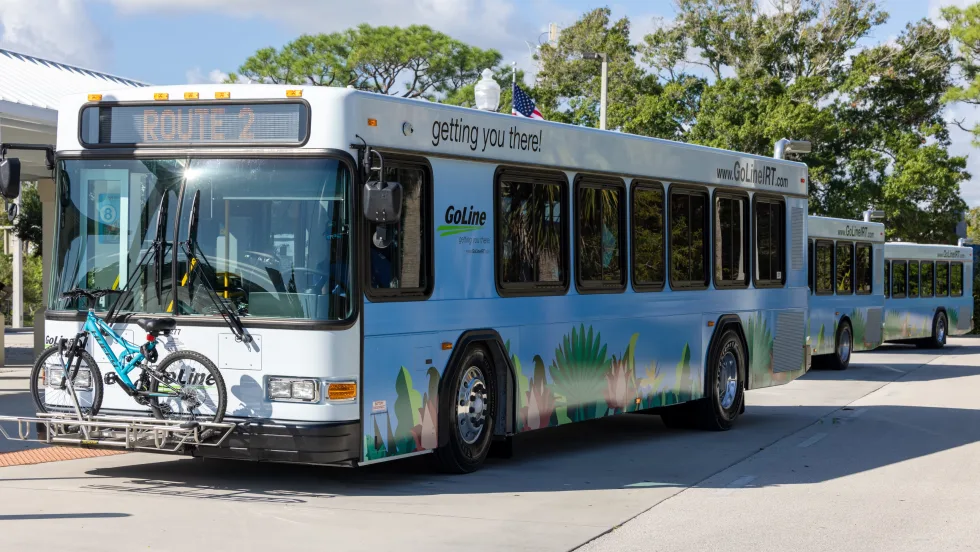
Indian River Transit’s Community-Focused Approach Earns National Recognition
Named APTA’s 2026 Outstanding Public Transportation System in its size category, Florida’s Indian River County transit system continues to grow ridership through fare-free service and a focus on evolving community needs.
Read More →
Everett Transit, Community Transit Outline Consolidation Agreement
The proposed agreement calls for a 50% increase in bus service in Everett, a new microtransit zone, continued paratransit service, and the transfer of Everett Transit operations to Community Transit.
Read More →
Driving Smarter Paratransit
John Hanlon shares how AlphaRoute is leveraging AI-powered technology to help paratransit providers optimize operations, support frontline staff, and enhance the rider experience.
Read More →
People Movement: Dan Dipert Coaches Adds Third-Generation Leader, Keolis Names New Valley Metro VP/GM, and More
In this edition, we also cover recent appointments and announcements at the Wabtec, SilverRide, HNTB, and more, showcasing the individuals helping to shape the future of transportation.
Read More →
Biz Briefs: RIPTA Unveils New Frontrunners, Clevland RTA Adds New Siemens, and More
In METRO's latest installment, we take a look at recent news from Siemens, Prevost, Dodge, and more partnerships making headlines across the transportation sector.
Read More →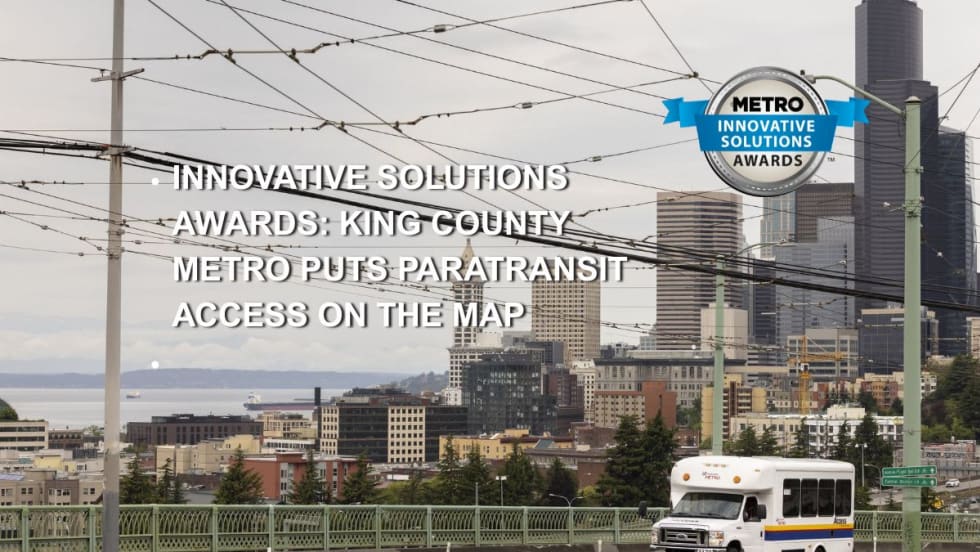
King County Metro Makes ADA Paratransit Easier to Navigate
METRO's Innovative Solutions Award winner replaces complex service-area descriptions with an accessible, interactive map that puts paratransit information directly in customers’ hands.
Read More →
Jacksonville’s NAVI Project Charts a New Course for Autonomous Public Transportation
Through its NAVI program, JTA is showing how autonomous vehicles, intelligent infrastructure, and coordinated operations can work together to deliver everyday public transportation.
Read More →
Driving Smarter Paratransit
John Hanlon shares how AlphaRoute is leveraging AI-powered technology to help paratransit providers optimize operations, support frontline staff, and enhance the rider experience.
Read More →
METRO Magazine Announces 2026 Innovative Solutions Awards Winners
Projects Recognized for Advancing Mobility Through Technology, Accessibility, Workforce Innovation, and Operational Excellence
Read More →