
Metro Magazine

 MENU
MENU SEARCHMENUSEARCH
Loading data...
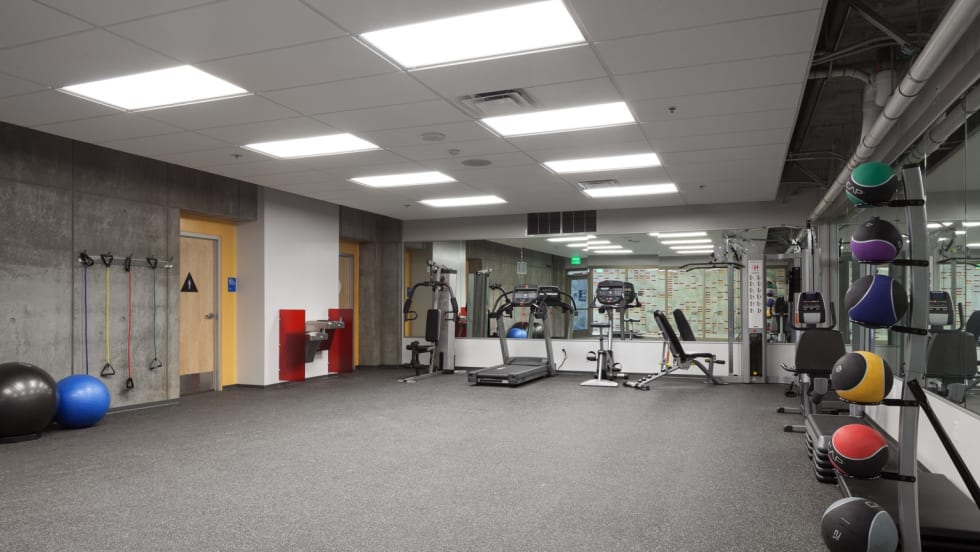
Most transit facilities have a break room for operators to use between shifts — typically an artificially lit space with a TV, vending machines, and cafeteria-style tables and chairs. The trouble is, every person has a different way of relaxing. Besides exposure to daylight and nature, key components of wellbeing are social cohesion and a sense of empowerment. The key here then is to empower employees to choose the best way to relieve their own stress around shifts.
Read More →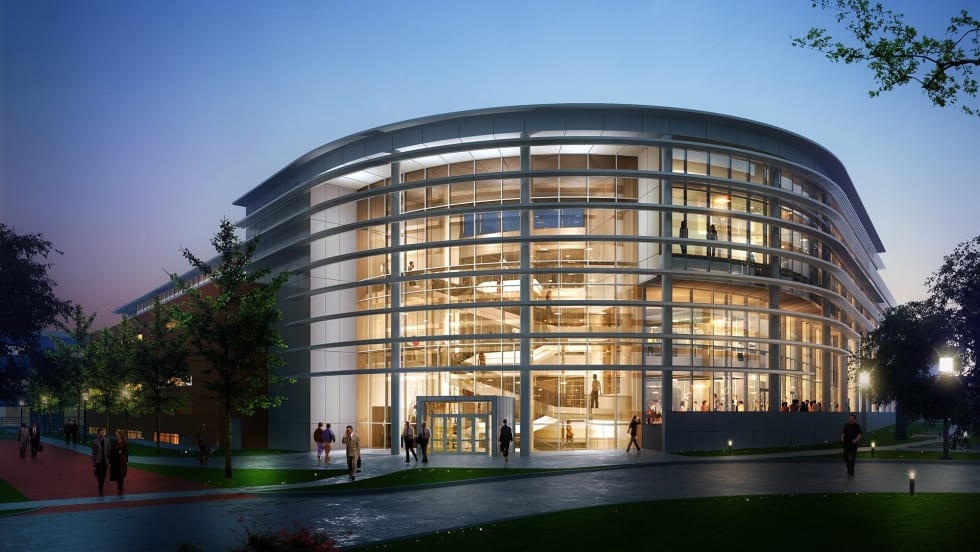
The university mandated that all new buildings on campus will be built to LEED Silver standard or equivalent and further encouraged everyone on campus to use public transportation.
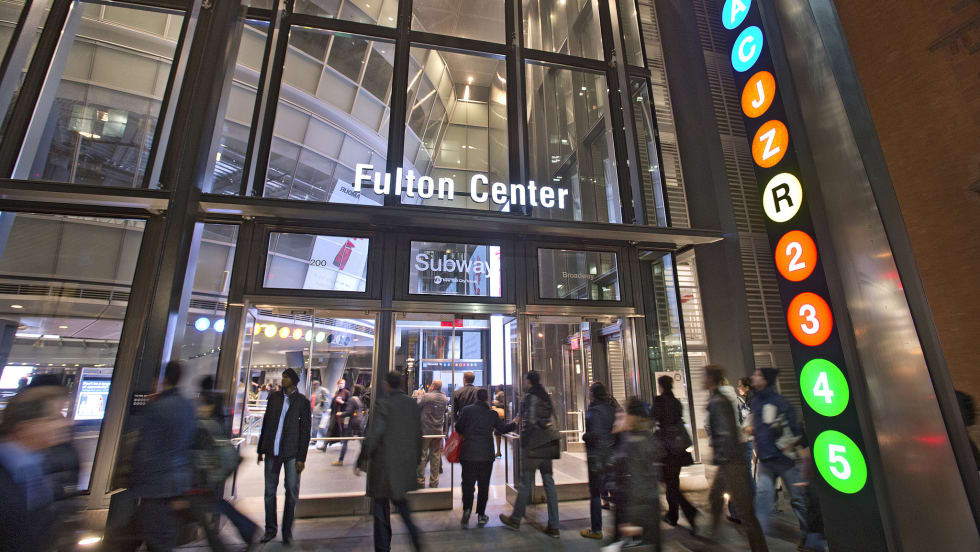
Read More →This is the first subway station in New York to receive the honor from the U.S. Green Building Council.
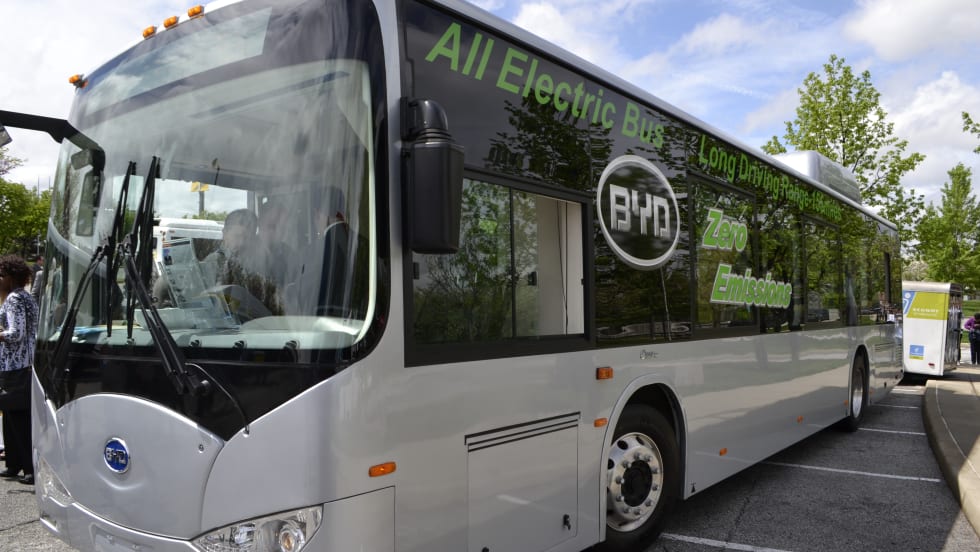
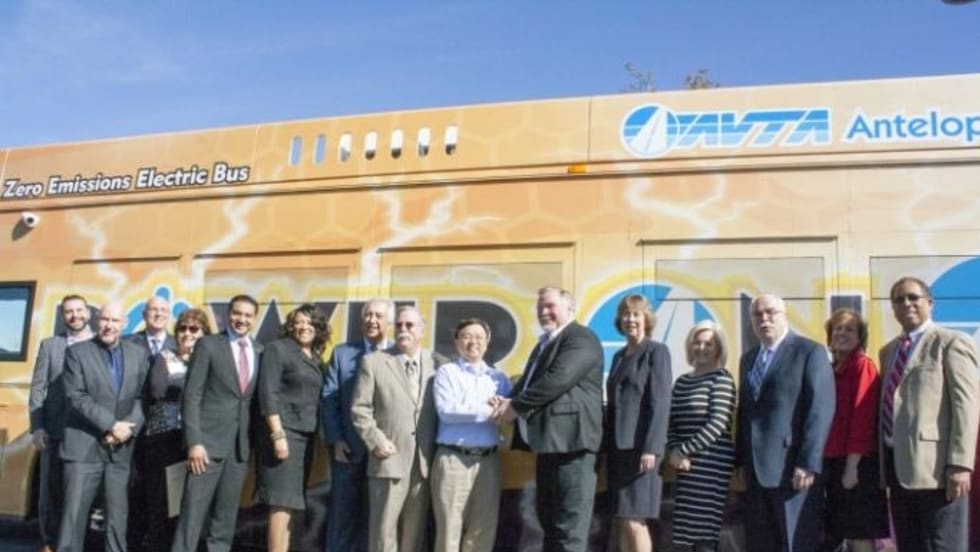
Read More →The BYD battery-electric buses are expected to arrive in the municipality late summer or early fall this year.
Read More →Also signed other agreements across the transit markets, including the construction of new stations and extended maintenance and fueling contracts.
Read More →BYD Motors will build and deliver a variety of all-electric bus models including a 40-foot low-floor transit bus, a 60-foot low-floor articulated bus, and a 45-foot commuter coach.
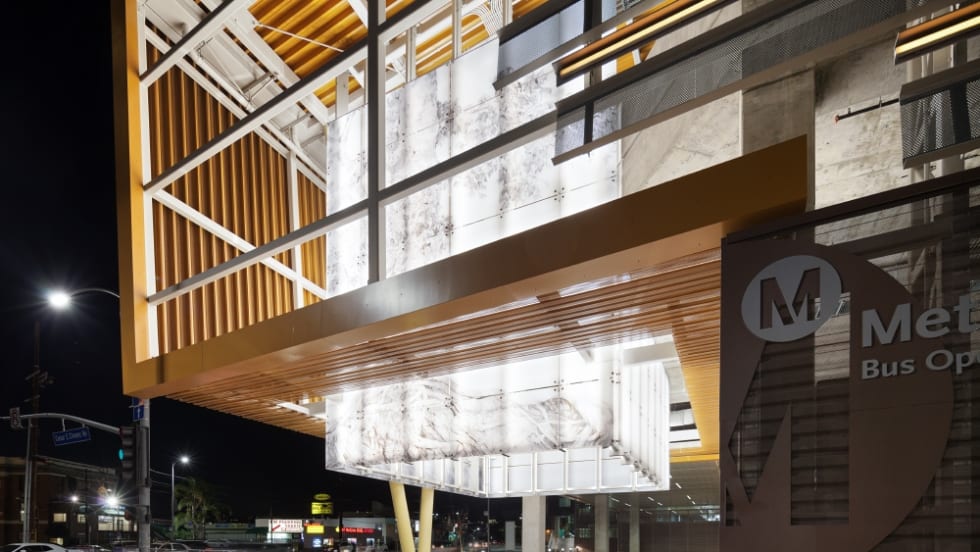
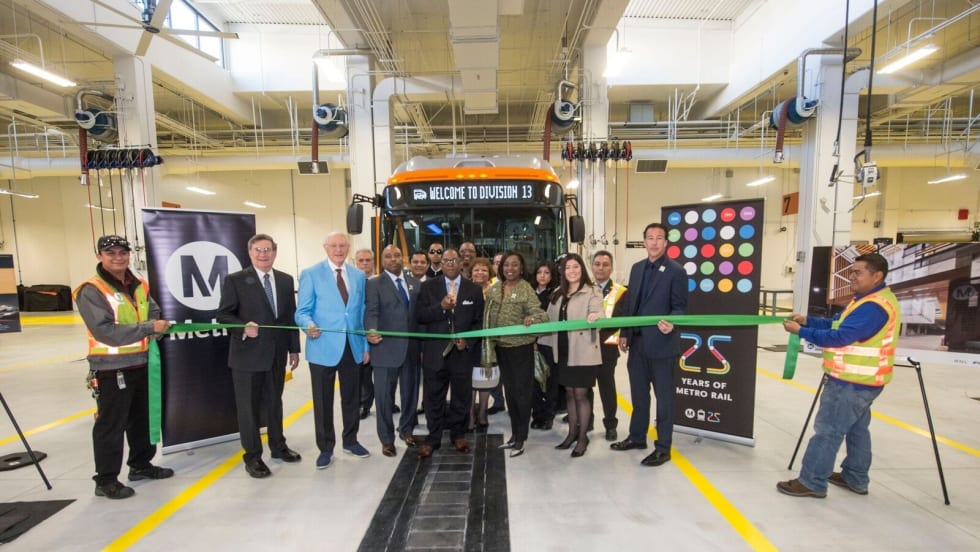
Read More →LA Metro's new Division 13 facility, designed by RNL, serves as a bus maintenance, operations and service facility with a multi-level parking garage that accommodates 200 CNG buses, fueling equipment, transportation offices and support areas.
Read More →Division 13 will serve as a bus maintenance, operations and service facility with a multi-level parking garage that accommodates 200 CNG buses, fueling equipment, transportation offices and support areas.
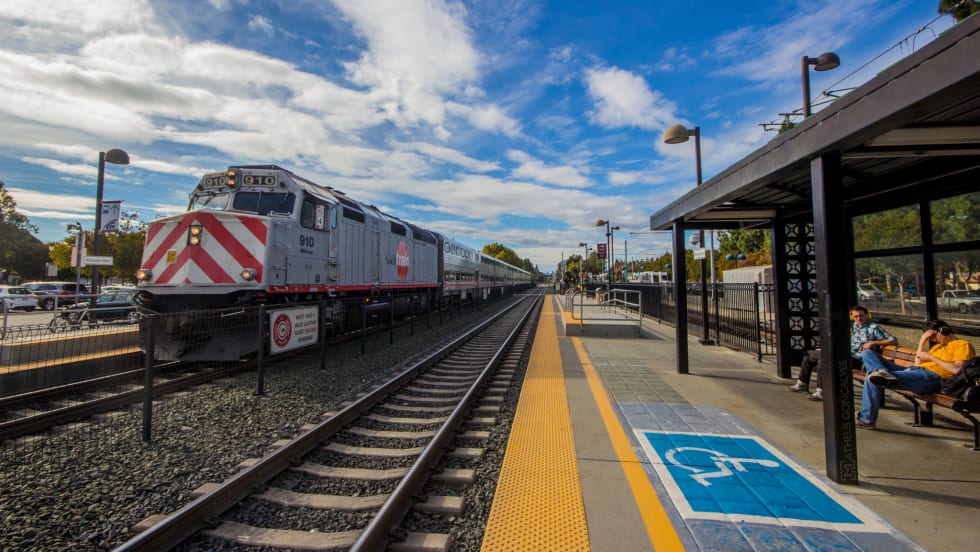
Read More →Electrification of the system is part of Caltrain's Modernization Program — the most transformative project in the rail system’s 150-year history.
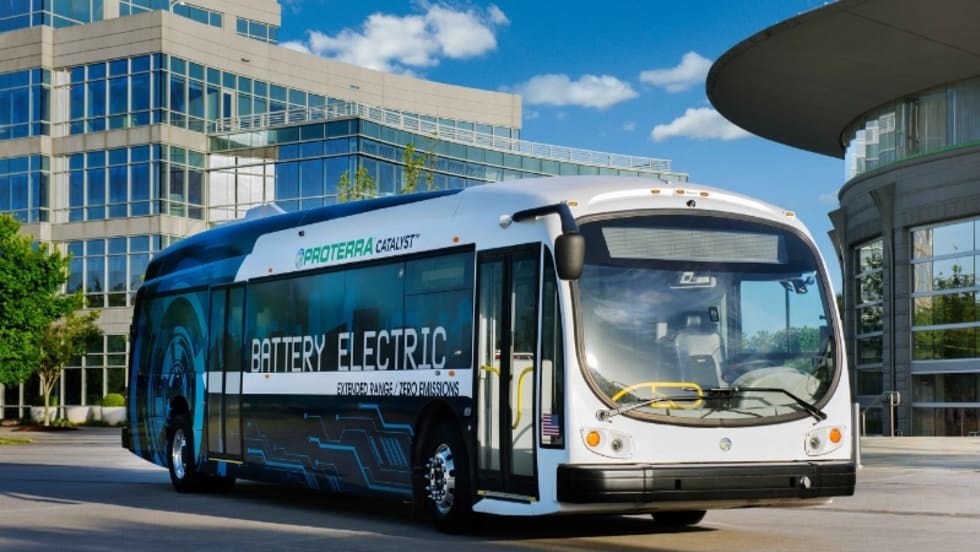
Read More →The Associated Students of the University of Montana Transportation ordered two 40-foot Catalyst Fast Charge buses and one semi-autonomous fast charger for its UDASH routes.
Read More →