



AVTA to become nation's first 100% electric bus fleet
BYD Motors will build and deliver a variety of all-electric bus models including a 40-foot low-floor transit bus, a 60-foot low-floor articulated bus, and a 45-foot commuter coach.

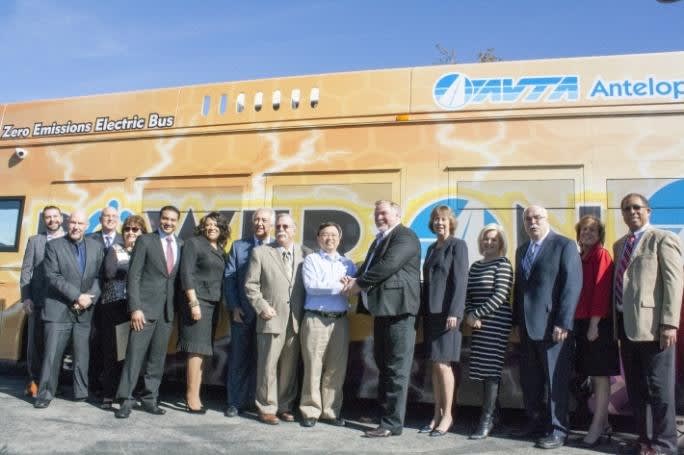
The historic announcement was made during a special event that followed the meeting at the AVTA facility and was attended by elected officials, dignitaries and community leaders. Los Angeles-based BYD Motors will build the up to 85 buses for AVTA at its manufacturing facility in Lancaster, Calif.
The historic announcement was made during a special event that followed the meeting at the AVTA facility and was attended by elected officials, dignitaries and community leaders. Los Angeles-based BYD Motors will build the up to 85 buses for AVTA at its manufacturing facility in Lancaster, Calif.
The Antelope Valley Transit Authority (AVTA) has taken a major step toward becoming the first 100% electric public transit fleet in the country by awarding BYD a contract to manufacture up to 85 electric buses over a five-year period.
The historic announcement was made during a special event that followed the meeting at the AVTA facility and was attended by elected officials, dignitaries and community leaders. Los Angeles-based BYD Motors will build the up to 85 buses for AVTA at its manufacturing facility in Lancaster, Calif.
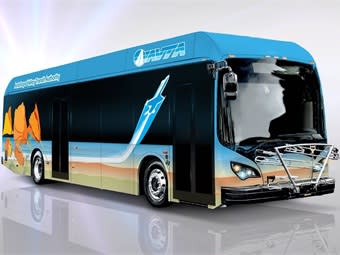
Under the order from AVTA, BYD Motors will build and deliver a variety of all-electric bus models including a 40-foot low-floor transit bus, a 60-foot low-floor articulated bus, and a 45-foot commuter coach. All 85 buses will have a range of more than 160 miles on a single battery charge. AVTA is also installing a wireless charging system to extend the fleet’s range to ensure the electric buses will be able to serve the agency’s longest rural routes.
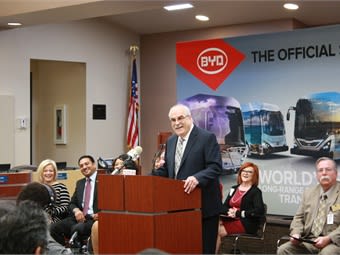
Len Engel, executive director of AVTA.
AVTA is anticipating a cost savings as a result of electrifying its fleet. Over the lifetime of the new electric bus fleet, the transit agency forecasts it could save more than $46 million compared to an all-diesel bus fleet, equivalent to $46,000 per bus per year in savings. And, by reducing dependence on foreign oil imports, AVTA will no longer be subject to oil price volatility for its bus fleet. This will help create greater stability for budget forecasting for the fleet manager — an important factor for a public agency.
The agency expects to take delivery of 29 electric buses within the next 12 months and is working to secure additional grant funding from the Air Resources Board to purchase another 17 buses.
“This is a historic day for AVTA which has been working diligently to secure grant funding to purchase these state-of-the- art zero-emission vehicles,” said Len Engel, executive director of AVTA. “We are proud to be the first transit system to adopt a goal of ‘100% Green in 2018’ and we look forward to leading the nation toward a new alternative in public transportation.”
Additional benefits AVTA will see as a result of electrifying its entire fleet include:
Noise Pollution Reduction: noise pollution will be reduced by 50 percent, making it a more pleasant ride for bus operators and transit passengers.
Emissions Reductions: AVTA’s all-electric fleet will provide elimination of CO2, NOx, PM10 and PM2.5, thereby improving air quality and positively impacting human health.
Safer Work Environment for Technicians: The electric batteries are safe, thermal runaway proof, non-toxic, and maintenance free. There are no diesel or diesel emission fluids needed for bus maintenance, providing a safer and healthier working environment for vehicle technicians.
AVTA provides local, commuter and dial-a-ride service to a population of more than 450,000 residents in the cities of Lancaster and Palmdale as well as the unincorporated portions of northern Los Angeles County. Its total service area covers 1,200 square miles and it is bounded by the Kern County line to the north, the San Bernardino County line to the east, the Angeles National Forest to the south, and Interstate 5 to the West.
More Bus

New York MTA Plans Largest Bus Fleet Upgrade in More Than a Decade
The agency is seeking manufacturers for 650 new CNG buses to replace aging vehicles, improve reliability, and advance its broader fleet modernization strategy.
Read More →
Building a Flexible Path to Transit Electrification
John Hroncich discusses BAE Systems’ modular and scalable approach, lessons learned from decades of real-world operations, and how agencies can identify electrification strategies that fit their fleets.
Read More →
Bus Tech Talk: Keeping Transit Technicians Ahead of the Technology Curve
LA Metro’s Obed Mejia discusses technician training, evolving maintenance technology, fleet replacement, and strategies for getting the most out of today’s transit fleets.
Read More →
Biz Briefs: RIPTA Unveils New Frontrunners, Clevland RTA Adds New Siemens, and More
In METRO's latest installment, we take a look at recent news from Siemens, Prevost, Dodge, and more partnerships making headlines across the transportation sector.
Read More →
People Movement: Holly Arnold Joins Transdev and More
In this edition, we also cover recent appointments and announcements at Pace, CamTran, MCI, and more, showcasing the individuals helping to shape the future of transportation.
Read More →
The High Cost of Transit Buses: Industry Leaders Look to Procurement Reform
Transit leaders and policymakers examine how standardized bus designs, streamlined procurement, and predictable funding could help agencies stretch budgets and deliver better service.
Read More →
The Business Voice Behind Public Transportation
As chair of APTA’s Business Members Board of Governors, Ray Melleady explains how more than 850 business members are partnering with transit agencies to advance funding, innovation, and industry-wide collaboration.
Read More →
From Surviving to Thriving: Building Stronger Transportation Organizations
Bus Business Consultants founder Brian Dickson shares lessons on leadership, organizational health, and creating options for long-term success in a changing transportation industry.
Read More →
Finding the ‘Happy Medium’: Optimizing Maintenance Without Sacrificing Reliability
The key to maintenance optimization isn’t doing less work—it’s doing the right work at the right time on the right assets.
Read More →
LA Metro, City of West Hollywood, and Partners Advance Smarter Bus Lane Enforcement
The award-winning partnership combines AI-powered detection with human oversight to improve bus reliability, accessibility, and enforcement efficiency.
Read More →