
Metro Magazine

 MENU
MENU SEARCHMENUSEARCH
Will replace the pre-existing Transportation Investment Generating Economic Recovery (TIGER) grant program.
Read More →
The total cost of the projects is estimated between $45 and $50 million, which will keep this important infrastructure in a state of good repair for Amtrak and benefit New York State with an upgraded, state-of-the art railroad.
Read More →
Under the MOU, the agencies committed their departments to following the President’s “One Federal Decision” with a goal to complete the entire process within two years.
Read More →
Bruce McCuaig will serve as a member of AECOM's Americas Transit market sector working from the company's Mississauga office.
Read More →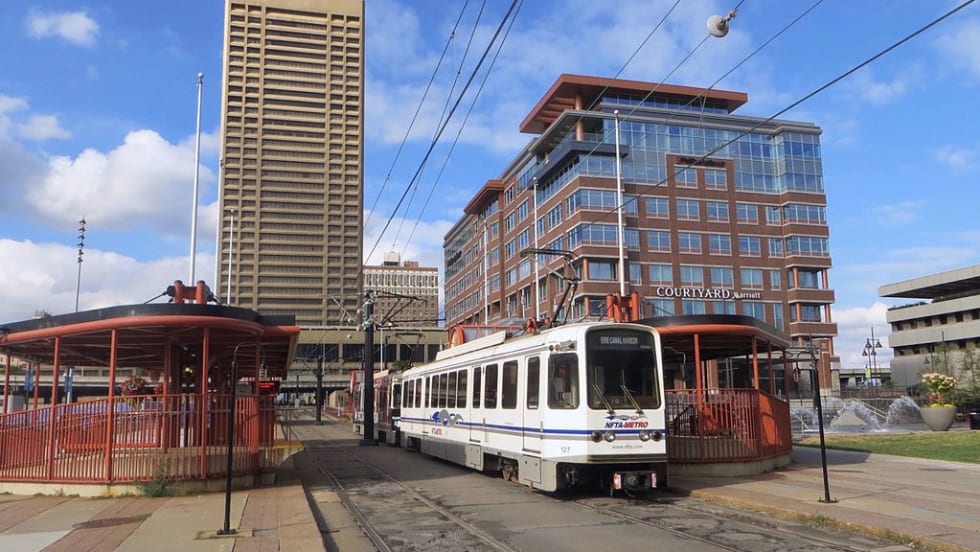
Assemblyman Sean M. Ryan, who credited other local delegation members with helping bring home the Metro Rail funds, has called for a five-year, $100 million capital plan to address the system’s needs.
Read More →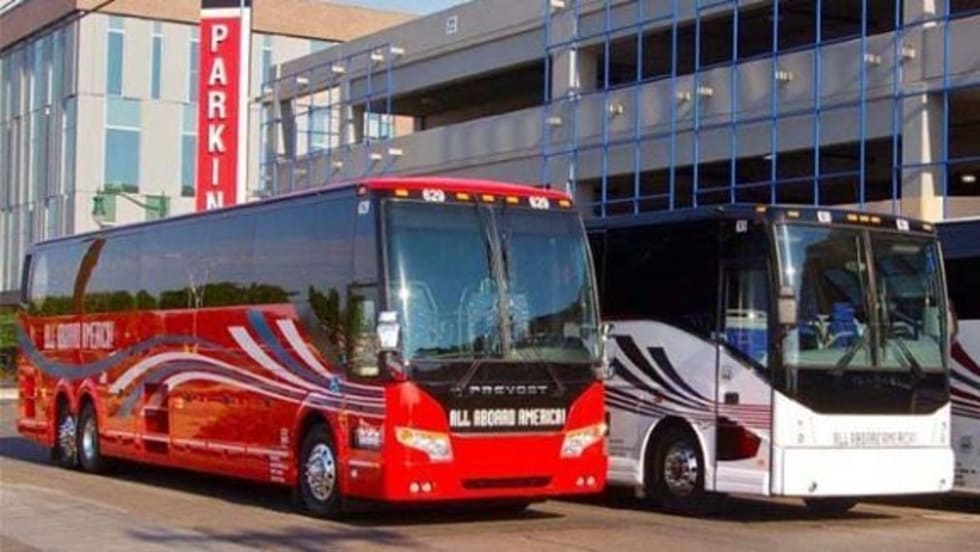
All Aboard America! worked with hybrid IT infrastructure provider Flexential to better understand its unique requirements and implement future-proof solutions.
Read More →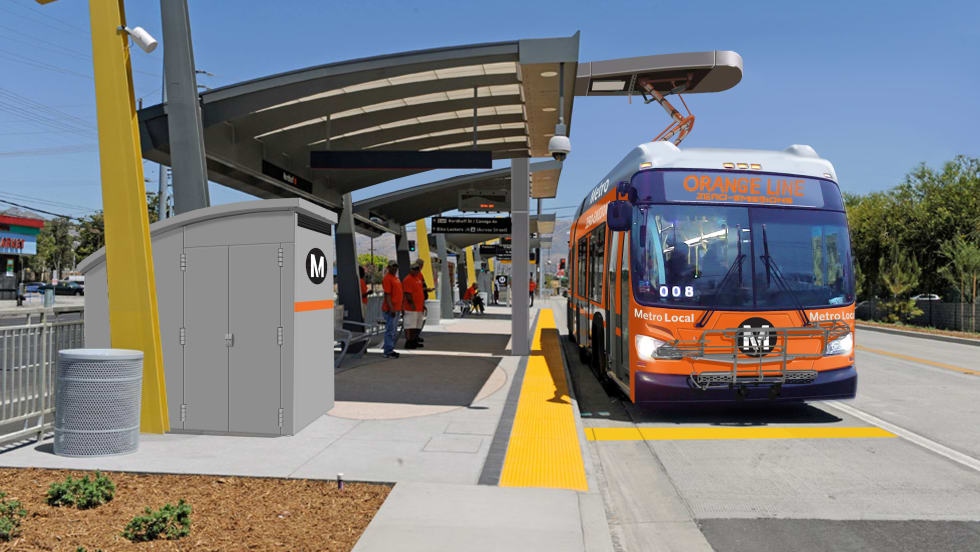
With many early pioneers now moving to larger implementation, advances are making it more possible for the vehicles to be used in a variety of service applications, although how to install the infrastructure necessary for large-scale operations is a task that needs to mastered.
Read More →
The Administration offered cuts to crucial programs that fund public transit infrastructure to pay for their proposed infrastructure plan.
Read More →
More than 64% of this round of TIGER funding was awarded to rural projects, a historic number that demonstrates this Administration’s commitment to supporting the country’s rural communities.
Read More →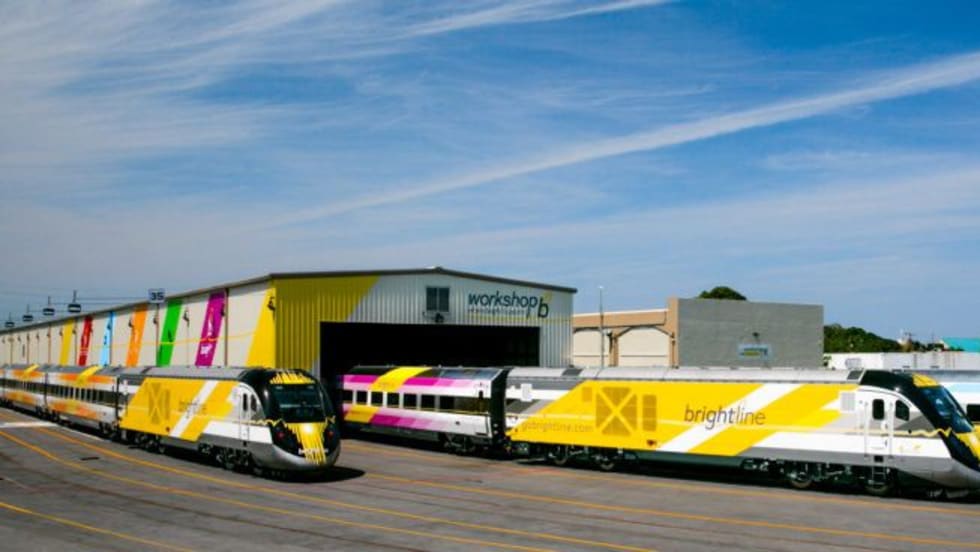
The New Year that just began should be a good one for the launching of new rail and bus rapid transit lines and extensions to existing networks, with the project schedules we’ll look at below.
Read More →