
Metro Magazine

 MENU
MENU SEARCHMENUSEARCH
Loading data...
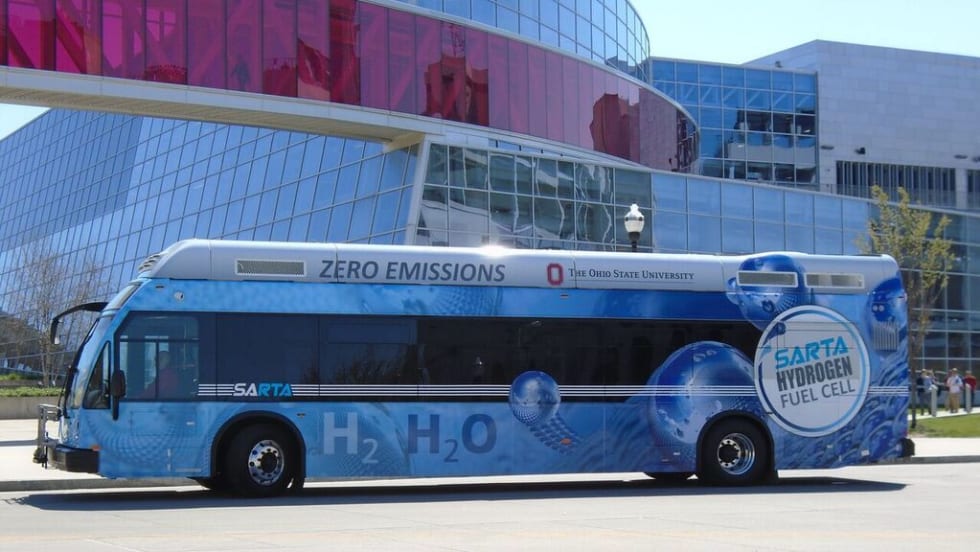
Will service the first hydrogen fuel cell bus in operation as part of the Ohio State University campus fleet.
Read More →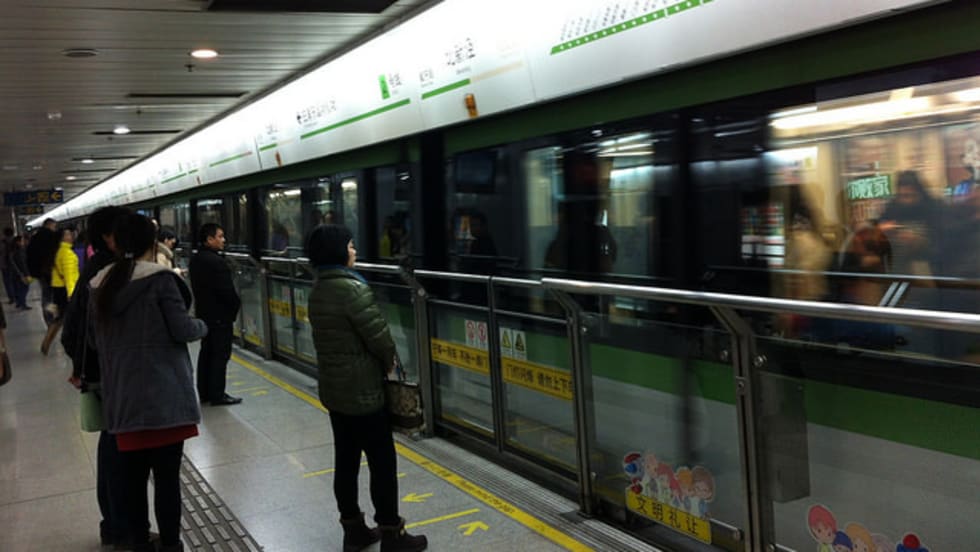
Friction between brakes and train wheels generates airborne pollutants, including nitrogen dioxide and particulate matter in the subway systems.
Read More →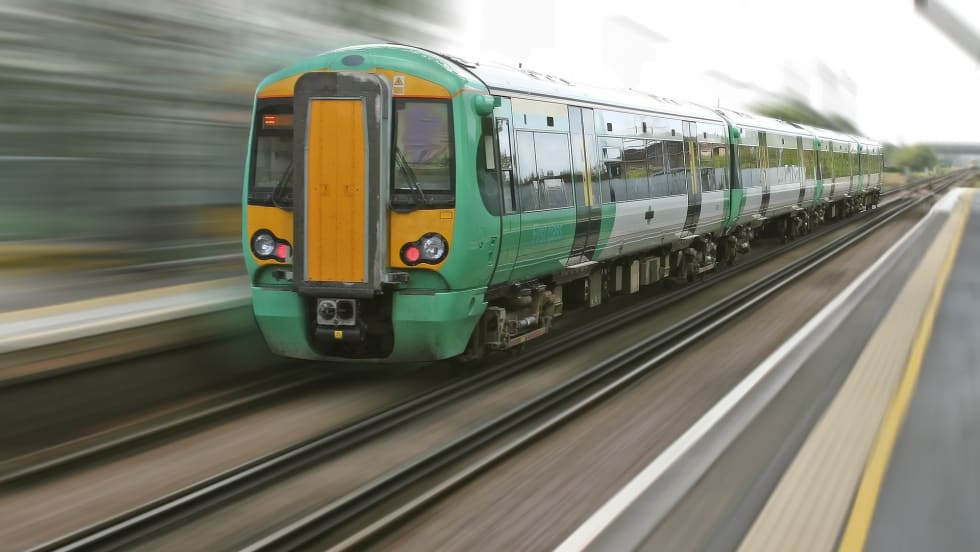
Information collected by the app would give railway companies instant feedback from passengers about their trains.
Read More →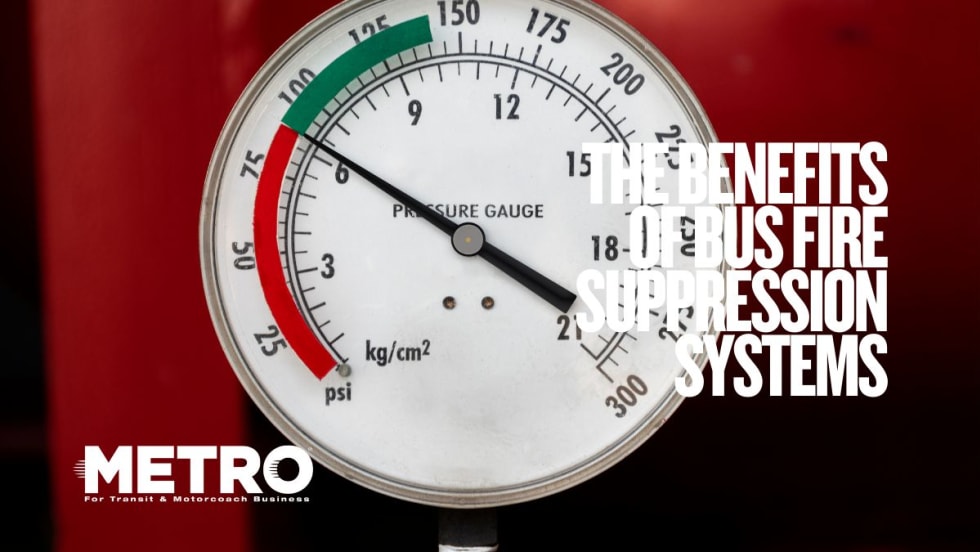
About two-thirds of all bus fires start in the engine compartment, according to researchers. Various types of suppression agents are used, including different sorts of dry chemical, water mist, foam, aerosol, gaseous agents, or sometimes combinations of those.
Read More →
Launching this month, The Autogas Refuel is a quarterly news digest providing the most current information to propane autogas public and private transportation fleets, delivered straight to their inbox.
Read More →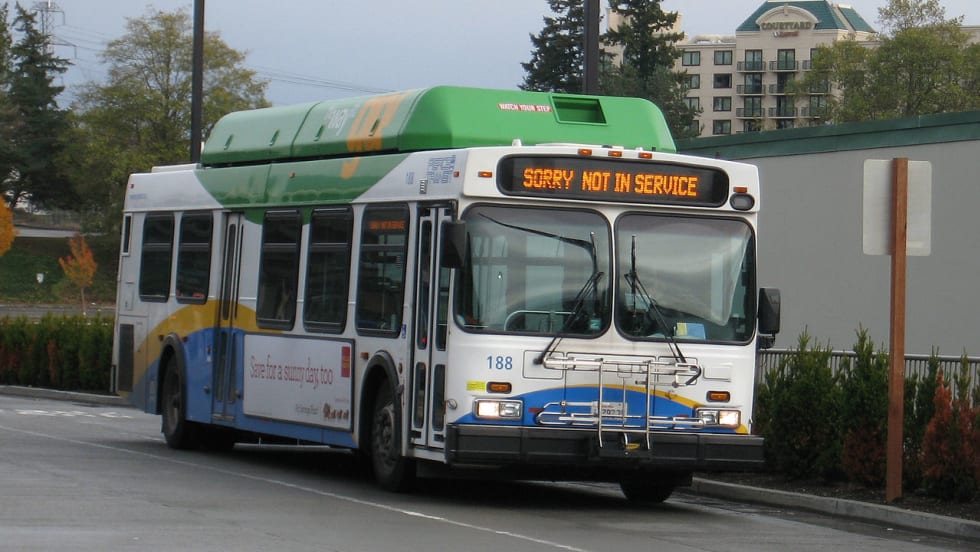
Data collected by Pierce Transit on the efficacy of the new equipment will be used to determine whether the technology should be used nationwide, by transit agencies and school districts.
Read More →
Both universities will conduct testing, evaluation, and analysis of low or no emission components intended for use in LoNo transit buses used to provide public transportation.
Read More →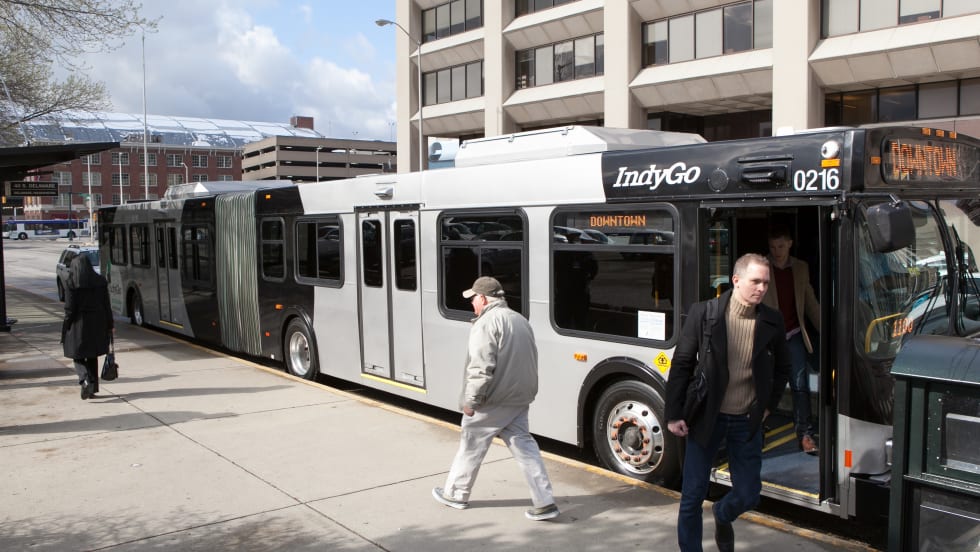
The findings have a range of uses and implications. State departments of transportation, metropolitan planning organizations, and transit agencies can apply the evaluations to performance goals related to congestion, reliability, and sustainability.
Read More →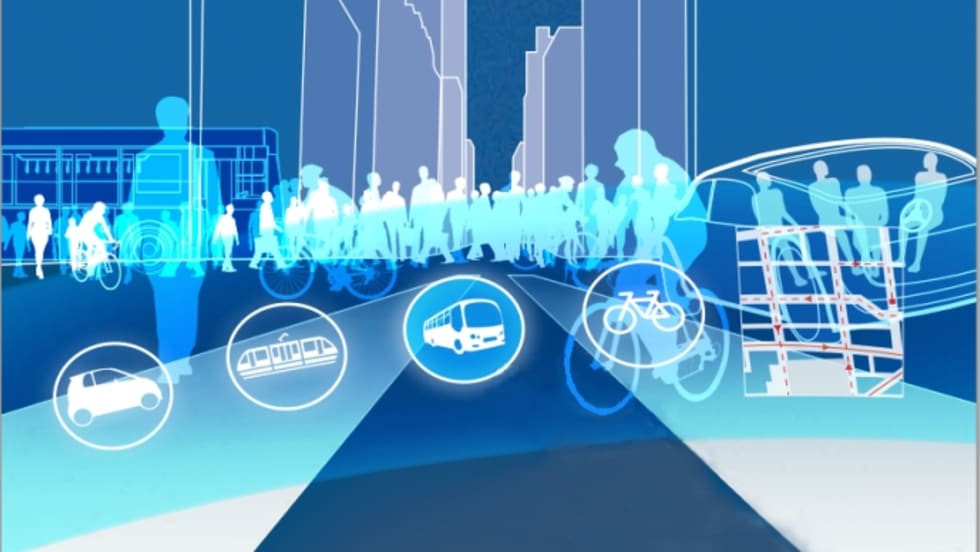
Other universities will join NYU to study challenging transportation problems and field-test novel solutions in close collaboration with transportation users, government agencies, policy makers, private companies, and entrepreneurs.
Read More →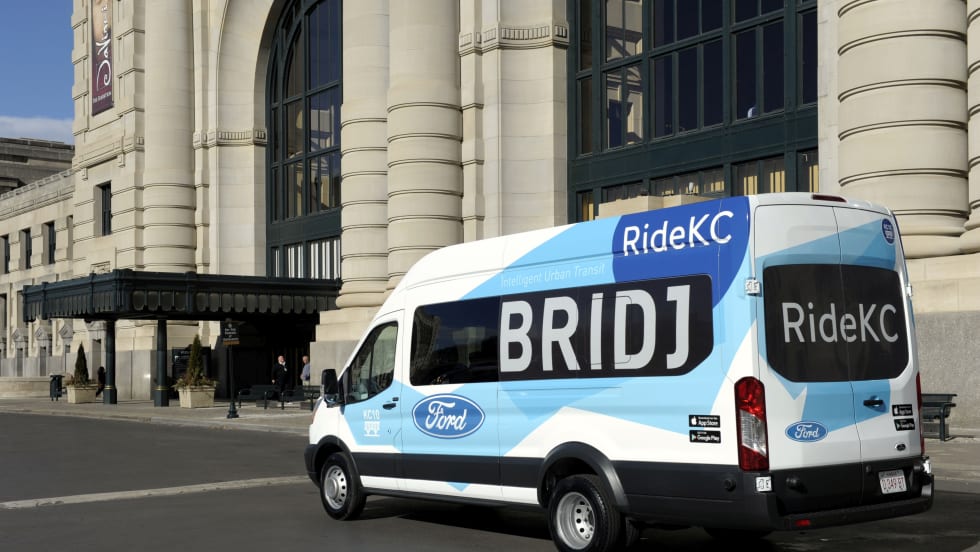
Focus will include ride-splitting services, on-demand carpooling apps and more traditional private modes such as employer shuttles.
Read More →