
Metro Magazine

 MENU
 SEARCHMENUSEARCH
Loading data...

COTA replaces one-twelfth of its fleet each year, based on the average 12-year life span of a bus. COTA’s average fleet age is 4.7 years, compared to the national average of 7.8 years (based on 2013 data)
Read More →


Throughout the country this year, voters in 17 states and communities of all sizes voted for increased investment in public transportation, bringing the success rate to nearly 90% (87.5%), according to the American Public Transportation Association
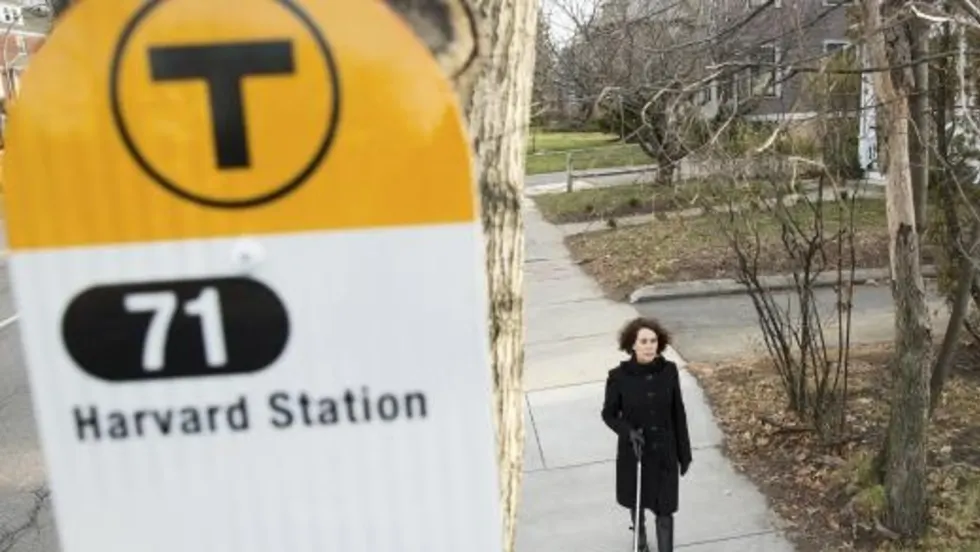
Read More →With help from a Google.org grant, Perkins School for the Blind is embarking on a groundbreaking project that will change the way people who are blind or visually impaired access public transportation.
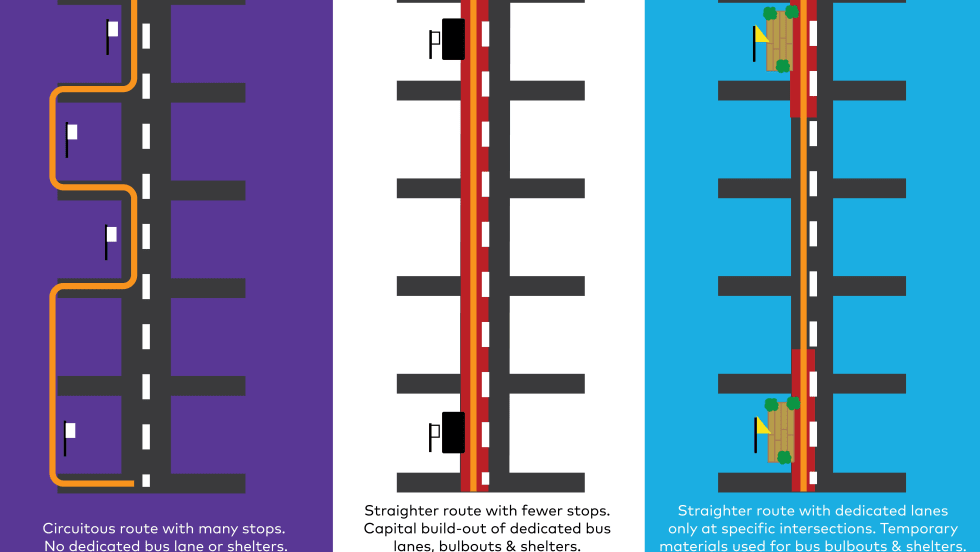
Read More →The raffish, worldwide movement known as tactical urbanism appears poised to take on a meatier role in improving transit in bus corridors. By providing low-cost, agile alternatives to lengthy street improvement processes, “tactical transit” has the ability to jumpstart virtuous cycles of increasing bus ridership by speeding up travel times, improving passenger experience, and enhancing overall perceptions of riding the bus.
Read More →The Routing Company has launched a new simulation feature as part of their Pingo platform to enable hands-on testing and allow partners to see how Pingo can help their transit services.
Read More →The Bull City Connector was launched last year to connect students to downtown Durham. Daily ridership is about 1,500, which is 500 less than the goal. Most riders appear to be locals and campus staff instead of students.
Read More →To date, the Administration has announced nearly $400 billion in IIJA funding, including over 40,000 specific projects and awards, across over 4,500 communities in all 50 states, D.C., the territories, and for Tribes.
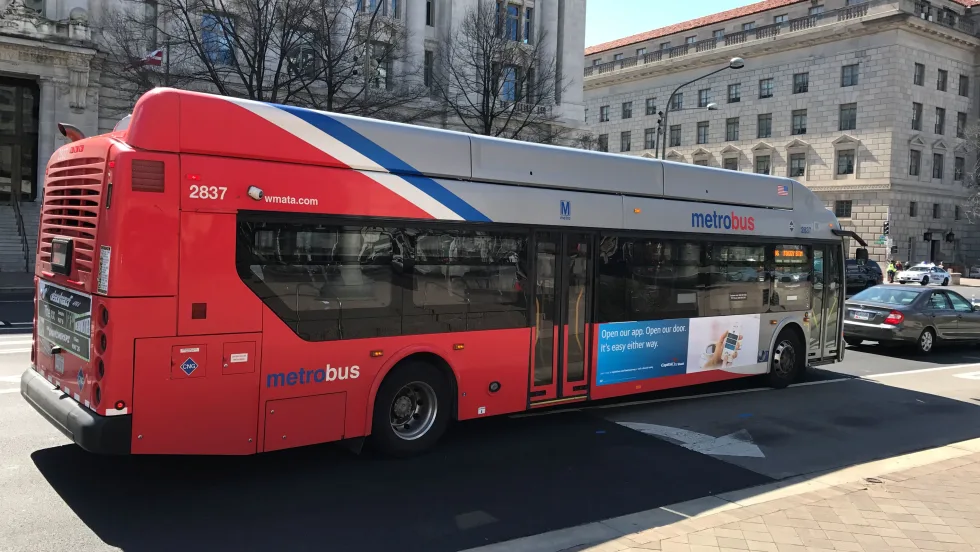
Read More →Trying to reduce overcrowding on buses at the beginning of the new school year. Some new trips have also been added to the morning peak period.
Read More →Money will go to 152 projects, which include replacing aging buses with fuel-efficient hybrid vehicles, constructing new bus shelters and maintenance facilities and installing updated fare boxes and fleet tracking systems.
Read More →Public policy and economics experts from UCLA and China’s Tsinghua University found that high-speed rail fuels real estate booms, reduces commuting times for those traveling to big cities, eases congestion in those cities and gives smaller towns more access to metropolitan hubs.
Read More →