
Metro Magazine

 MENU
MENU SEARCHMENUSEARCH
Loading data...
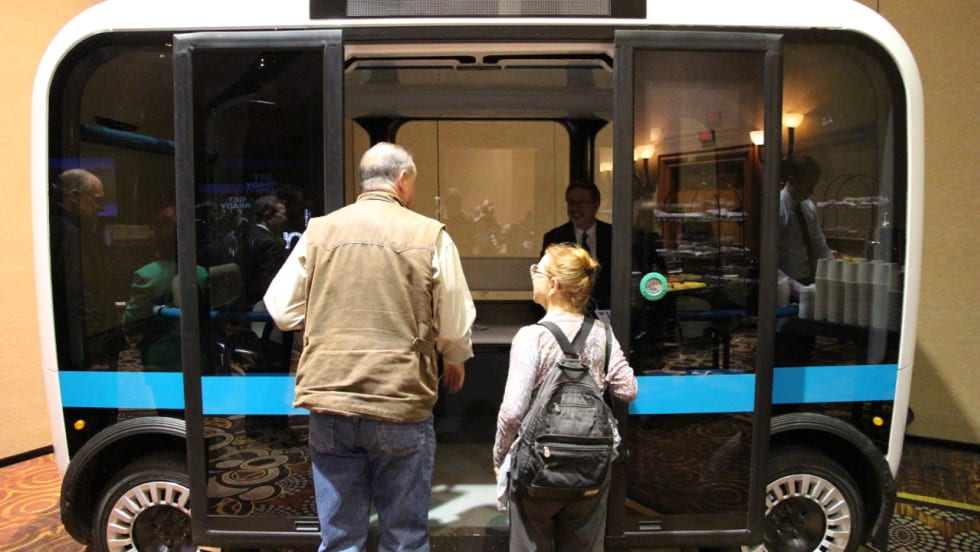
Speakers focused on current actions making the emerging technology of advanced mobility a reality, including specific accomplishments and successful public/private partnerships.
Read More →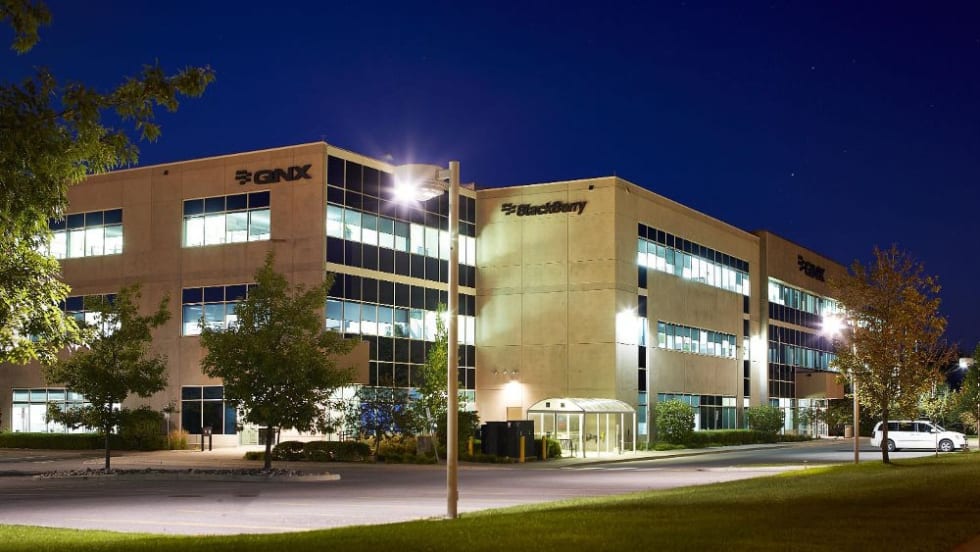

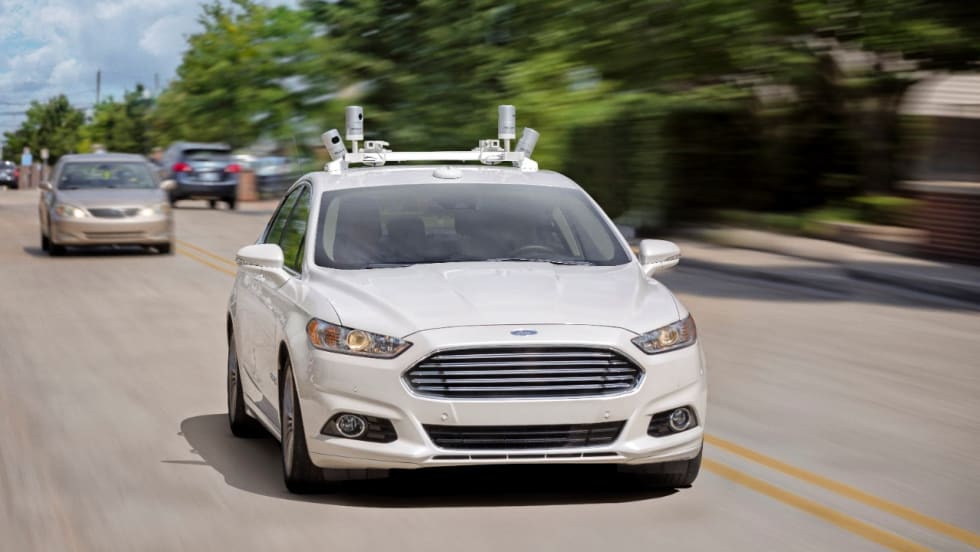

One of the center's first projects will be supporting this pilot as well as BlackBerry QNX's work with the University of Waterloo, PolySync, and Renesas Electronics to build an autonomous concept vehicle.
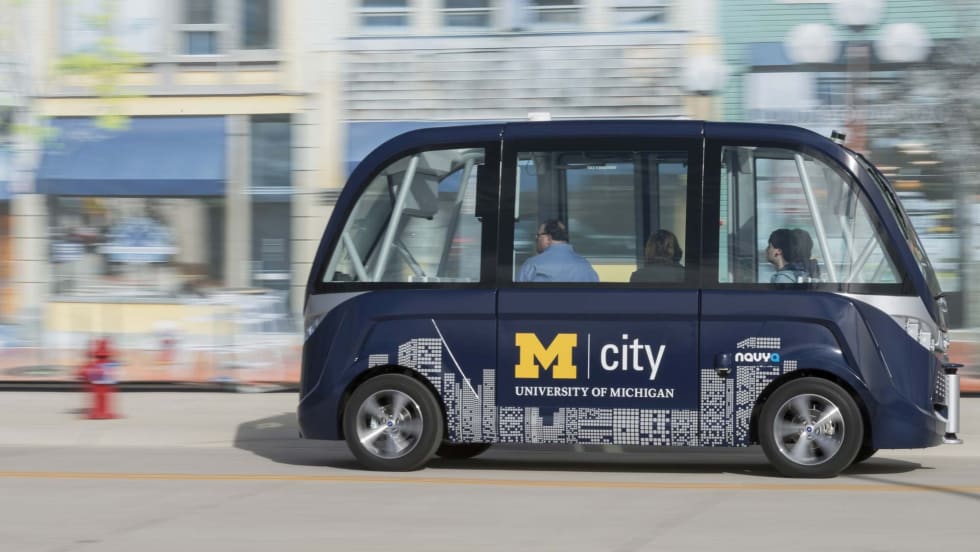
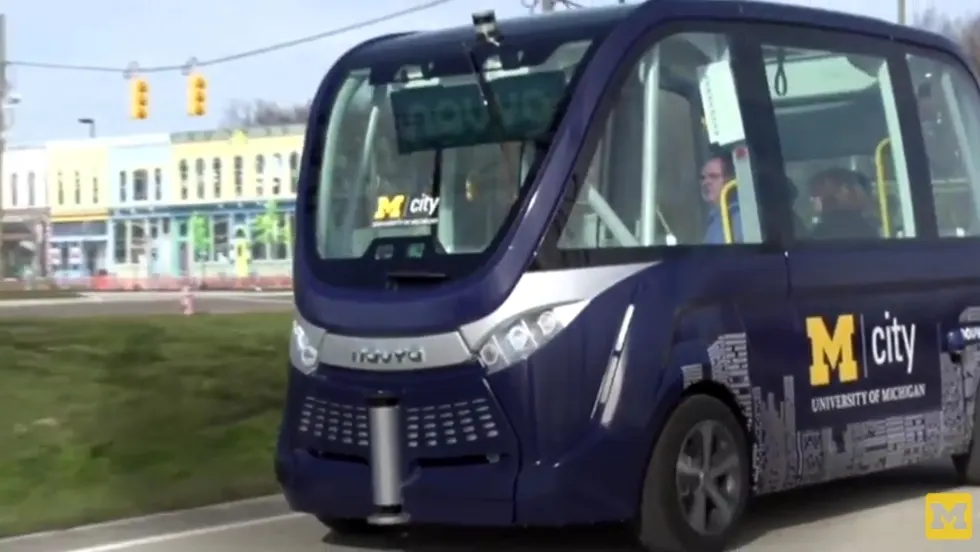
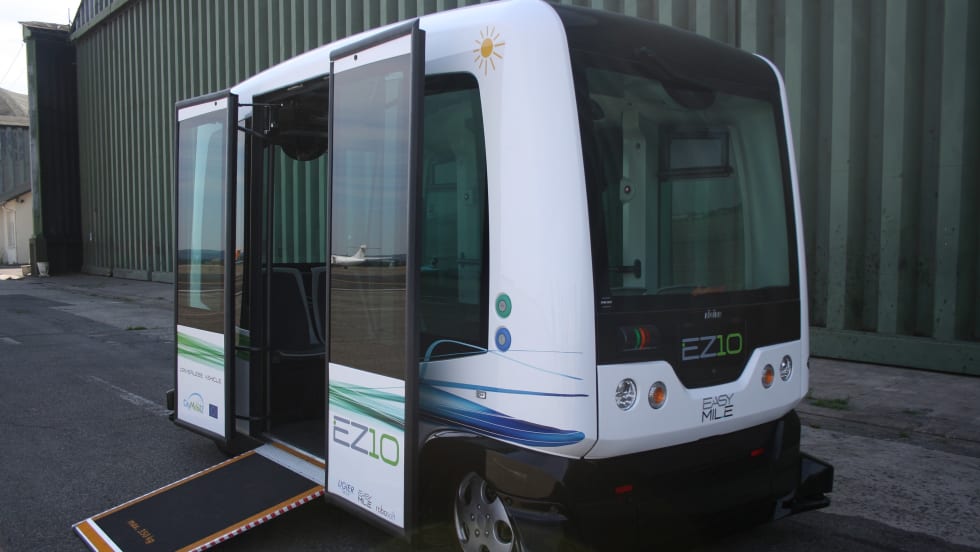
Read More →A fully autonomous, 15-passenger electric shuttle manufactured by French firm NAVYA will support research and provide self-guided tours of Mcity, the university's test site for connected and automated vehicles.
Read More →The vehicle will be used to provide tours of Mcity and to support autonomous vehicle research, initially through TechLab at Mcity, U-M's incubator for mobility startups.
Read More →The AV passenger shuttle will run a fixed-route stopping at designated stops within an office park. The pilot will begin with two vehicles — each with a customer service agent onboard for passenger questions and information.
Read More →The university’s $27 million collaboration with Frontt Capital Management, a Shenzhen-based investment firm, will establish a joint research center for intelligent vehicles at the university and a robotics laboratory on North Campus.
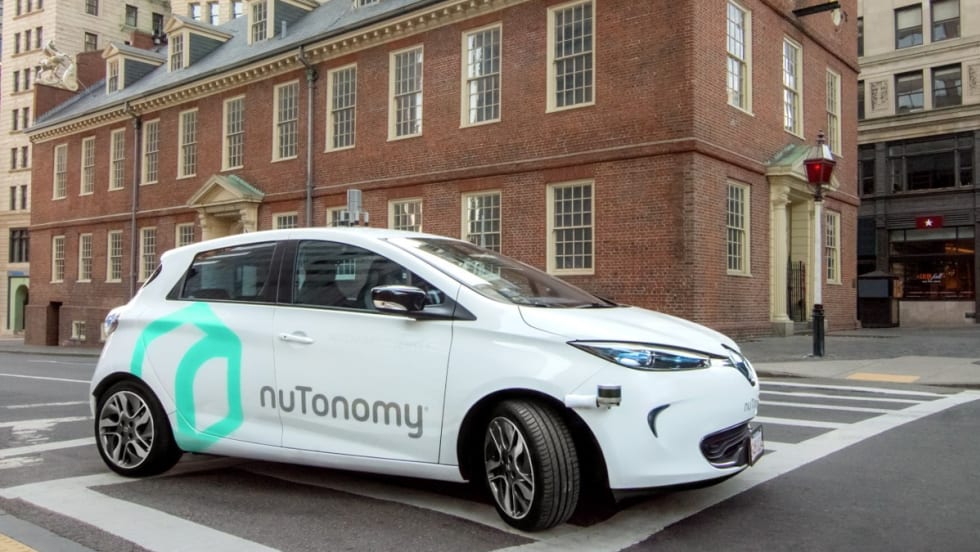
Read More →nuTonomy will begin testing its self-driving Renault Zoe electric vehicle before the end of the year in the Raymond L. Flynn Marine Park in the Seaport section of the city.
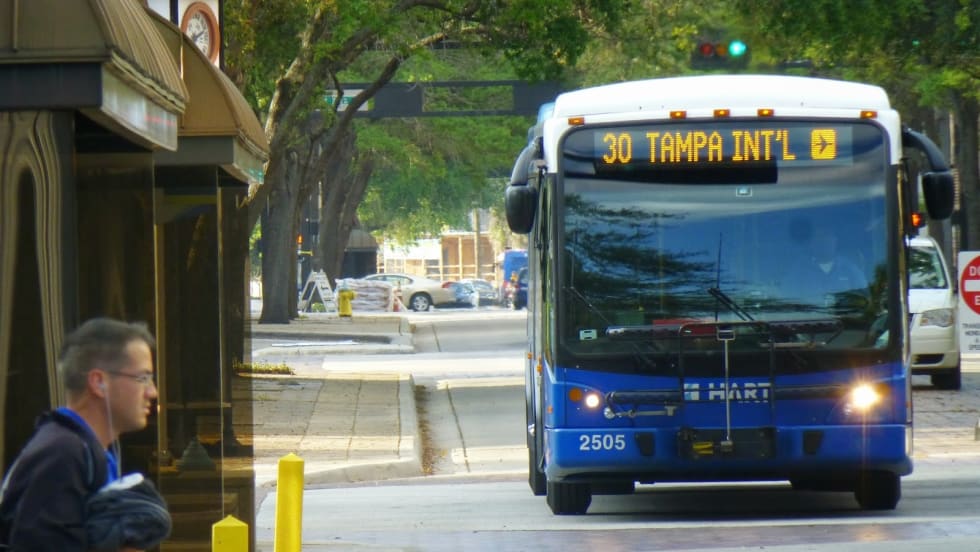
Read More →The project would be one of the first of its kind in the U.S. utilizing autonomous technology and has the potential to become a genuine problem solver, according to FDOT and HART.
Read More →Obstacles include privacy and security concerns, to a lack of infrastructure and the need for a legislative framework.
Read More →The two electric vehicles, fitted with high-tech equipment including laser sensors, stereo vision and GPS, can ferry around 15 passengers at a top speed of 12 mph.
Read More →