
Metro Magazine

 MENU
MENU SEARCHMENUSEARCH
Loading data...
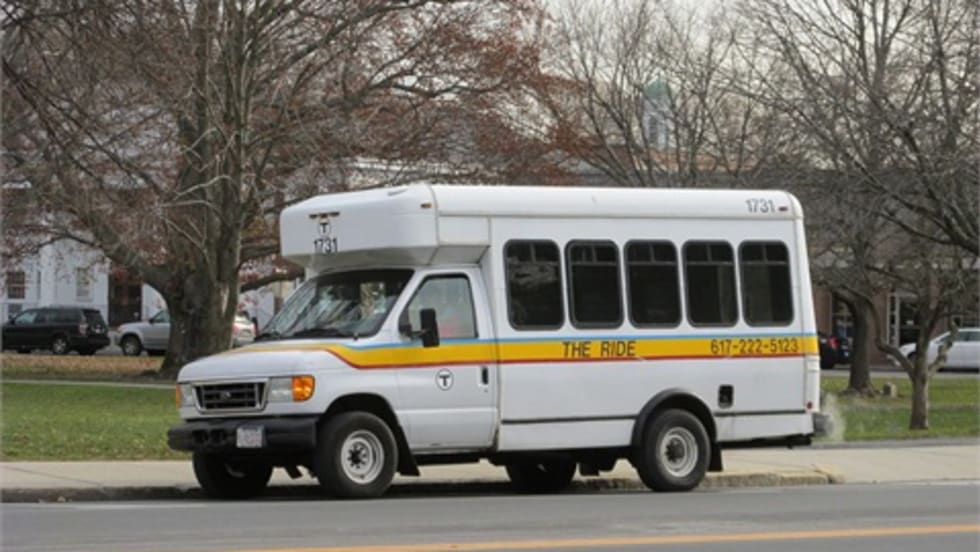
A total of 600 customers will be eligible for the six-month pilot, which will cost $480,000. The program did not require a vote by the state’s Transportation Board, though some members voiced support and others questioned whether the goal of lowering fares for low-income riders with disabilities could be accomplished another way.
Read More →
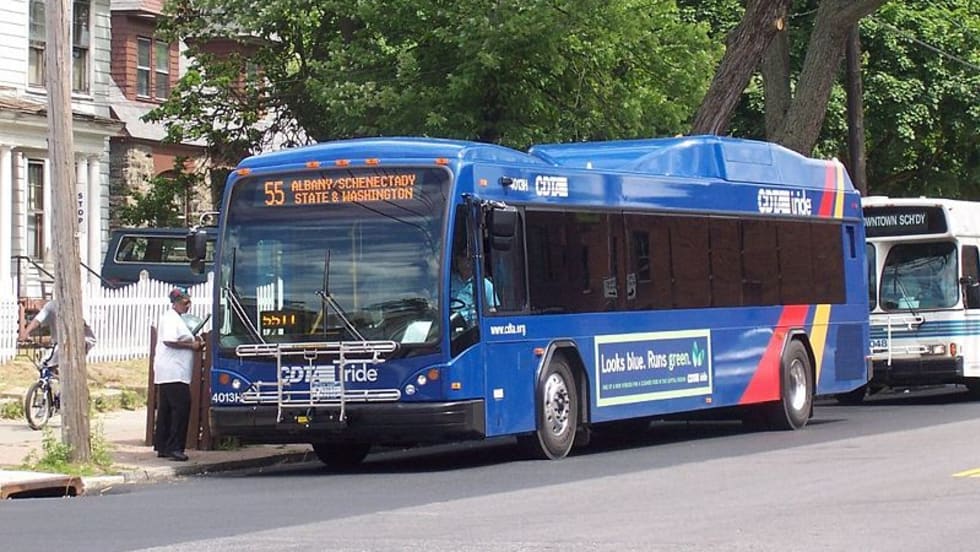


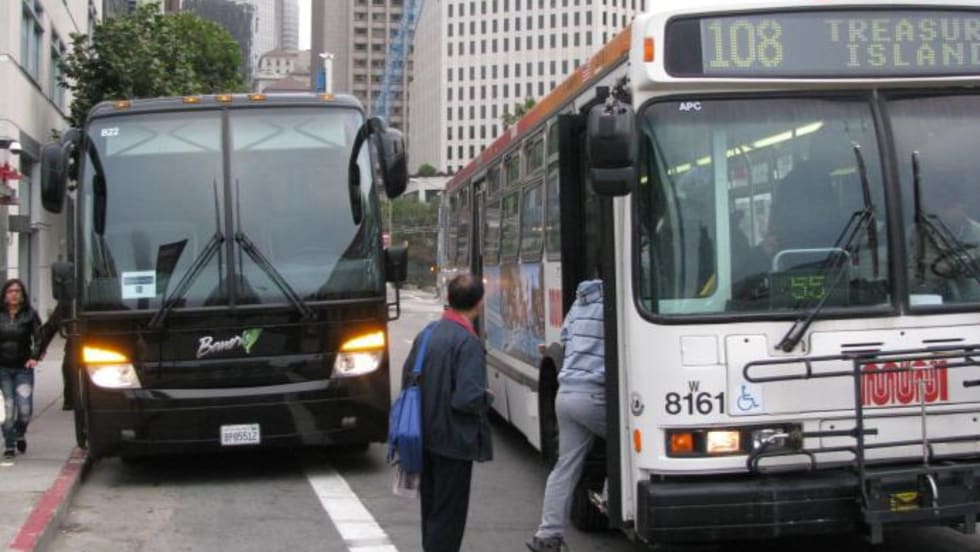

The one-year pilot program increases the options for late night commuters, providing new destinations and improved frequency of pre-dawn buses between San Francisco and the East Bay on weekends.
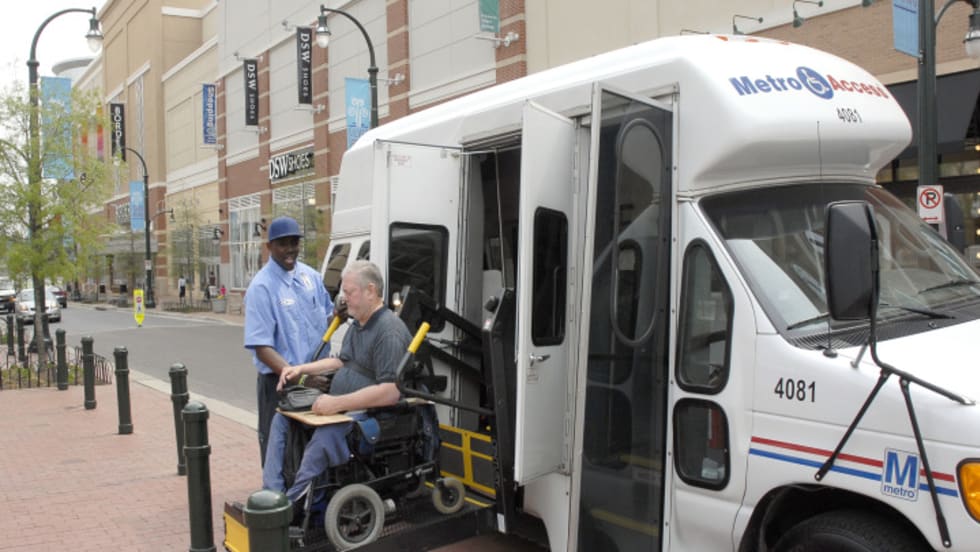
Read More →Customers will be able to access real-time transit information for Capital District Transportation Authority fixed-route services through the free iRide mobile application for Apple and Android devices, through Google Maps’ mobile apps and more.
Read More →A study of 26 major U.S. transit markets recently conducted by researchers at the advocacy group Alcohol Justice concluded that half of them allowed alcohol advertising, while the other half banned it in some way.
Read More →Users of Metro’s paratransit service would have the option of riding in any of 33 accessible taxi-vans that would be added to the city’s cab fleet.
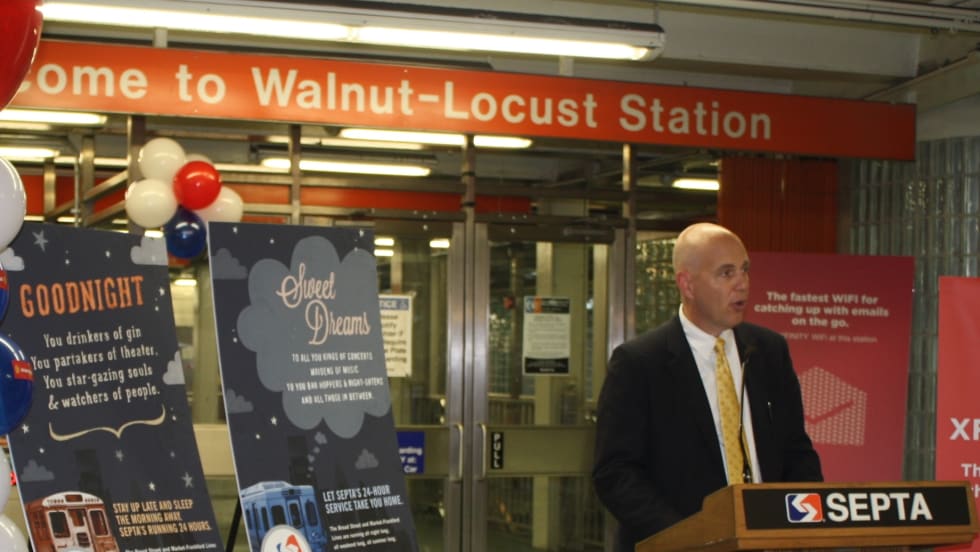
Read More →Those who depend on mass transit believe that service should be available 24/7 so that they can get to where they need to go, whenever they need to get there. In New York, MTA customers can hop on the subway 24 hours a day. In Chicago, CTA riders can use the Blue and Red “L” lines around the clock. But in cities like Boston and Philadelphia, major service lines and routes are not always all that convenient in the early hours of the morning — until now.
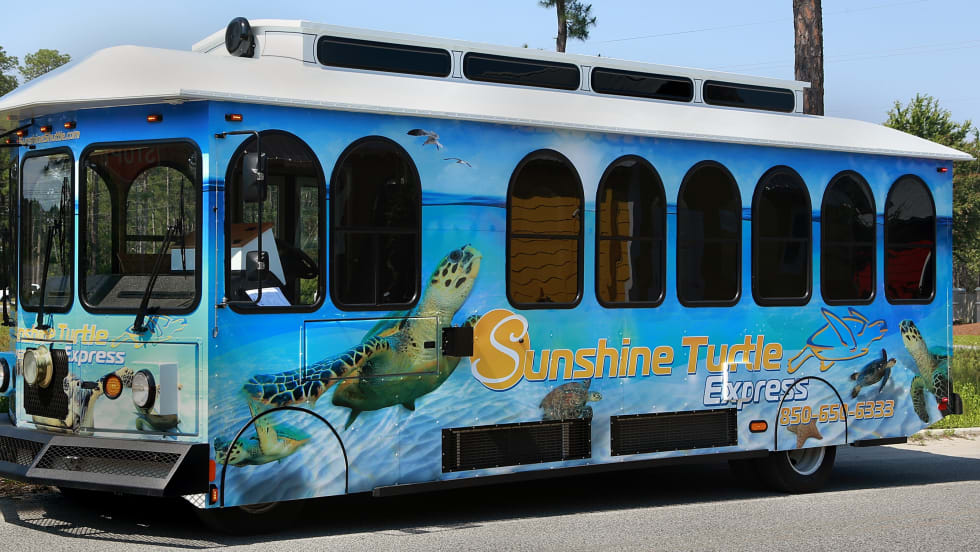
Read More →The Sunshine Turtle Express in South Walton County will be free of charge and run through September.
Read More →Aggie Paratransit will begin serving qualified main campus students with disabilities as a supplement to the existing fixed-route Aggie Transit service available on campus beginning in the fall 2014 semester.
Read More →Transit and housing activists and a labor union claim that a pilot program that gives shuttles run by Google and other private companies access to municipal bus stops displaces low-income workers. The group also argues that the program will increase pollution, boost risks to pedestrians and bicyclists and interfere with public transit.
Read More →The six-month program, which will be tested on trains traveling between Chicago and Quincy, Ill., will evaluate the idea for other trains nationally.
Read More →