
Metro Magazine

 MENU
 SEARCHMENUSEARCH
Loading data...

Switching our bus fleet to compressed natural gas from liquefied natural gas and diesel was a carefully weighed decision at DART. But in the end, it was a no-brainer: go with the fuel source that will promote clean air while saving taxpayers $120 million in fuel costs over the next 10 years.
Read More →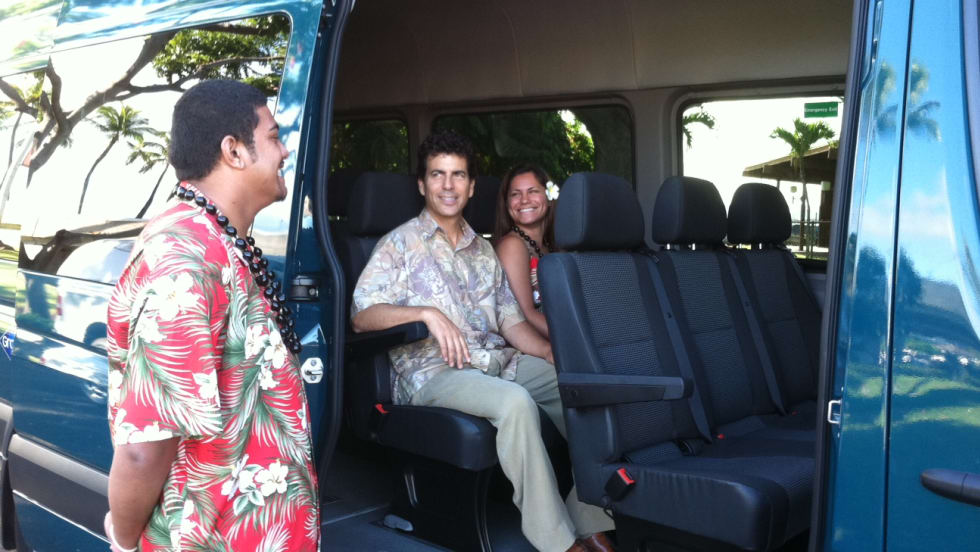

All Sprinters are powered by a 3.0-liter BlueTEC diesel engine and all versions are equipped with a number of Mercedes-Benz safety features — ESP stability and rollover control, ABS anti-lock brakes, Brake Assist and traction control.
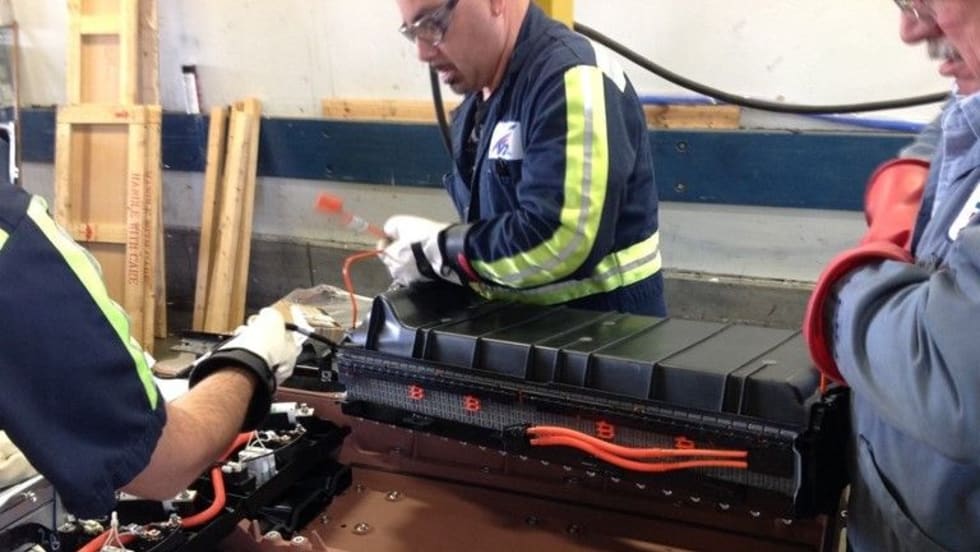
Read More →Most transit agencies hire outside specialty mechanics to completely overhaul or replace major components.
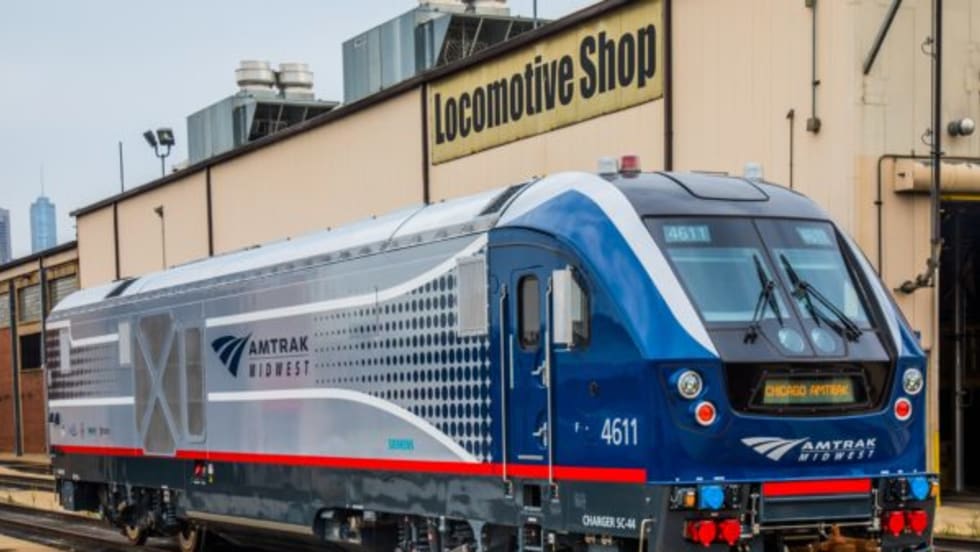
Read More →Delivery of the new locomotives will begin in summer 2021, with passenger service starting in fall 2021.
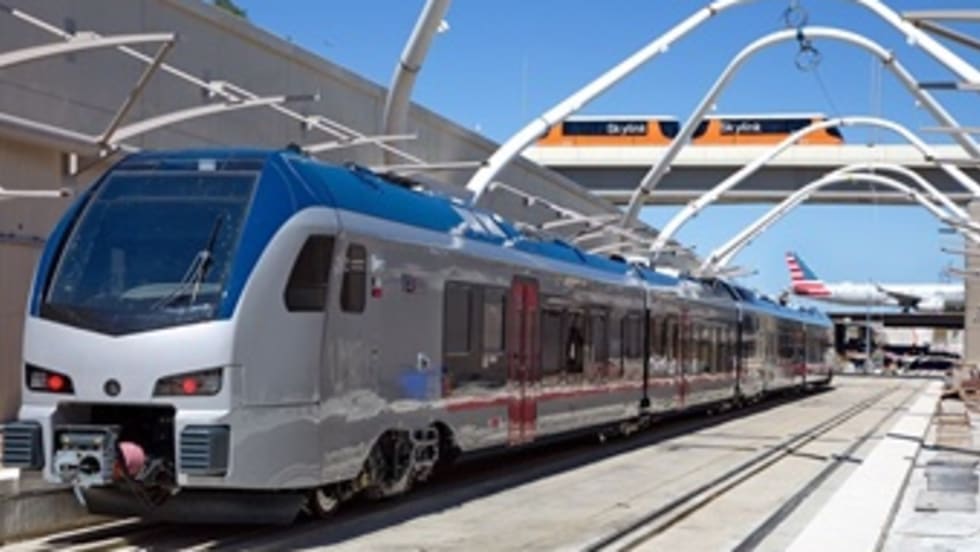
Read More →Officials are worried, however, the the federal government shutdown will keep train from a full launch this weekend.
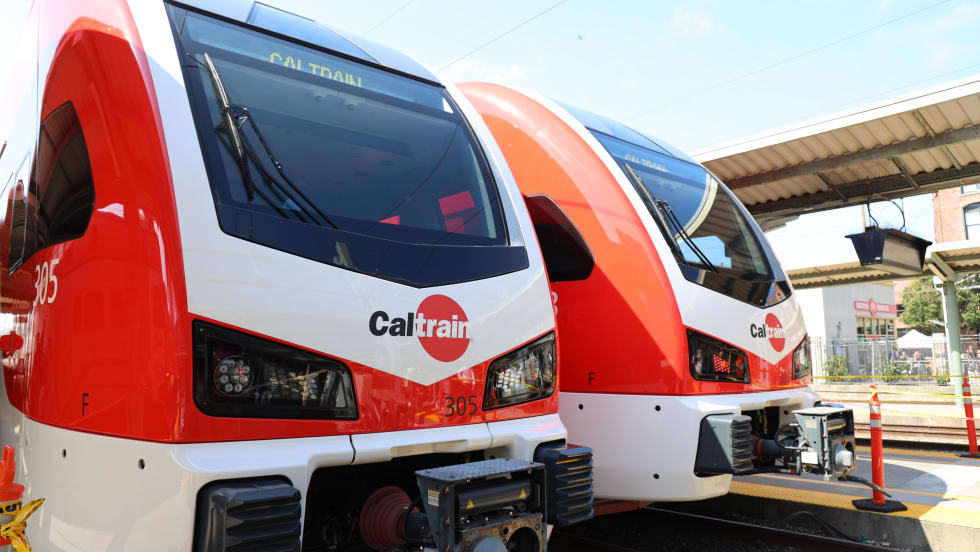
Read More →The service improvements are possible because Caltrain is replacing all the aging diesel trains between San Francisco and San Jose with electric trains that provide better service performance and quality, according to the agency.
Read More →TA and Petro offers customers diesel and gasoline fueling services, full and quick-service restaurants, heavy truck maintenance services, 24-hour convenience stores, electronic communication (Wi-Fi) and other services — all within large, high traffic facilities.
Read More →Addressing the maintenance challenges of bus engines takes on a new significance as fleets adopt new technologies to meet increasingly stringent emissions standards.
Read More →The 40-foot bus has a capacity of 57 passengers and will be in service between six and eight hours daily on various RTA routes. The bus operates with nearly twice the fuel-efficiency as diesel-fueled bus, and is much quieter.
Read More →