Caltrain Unveils Service Increases, New Amenities for Electric Service
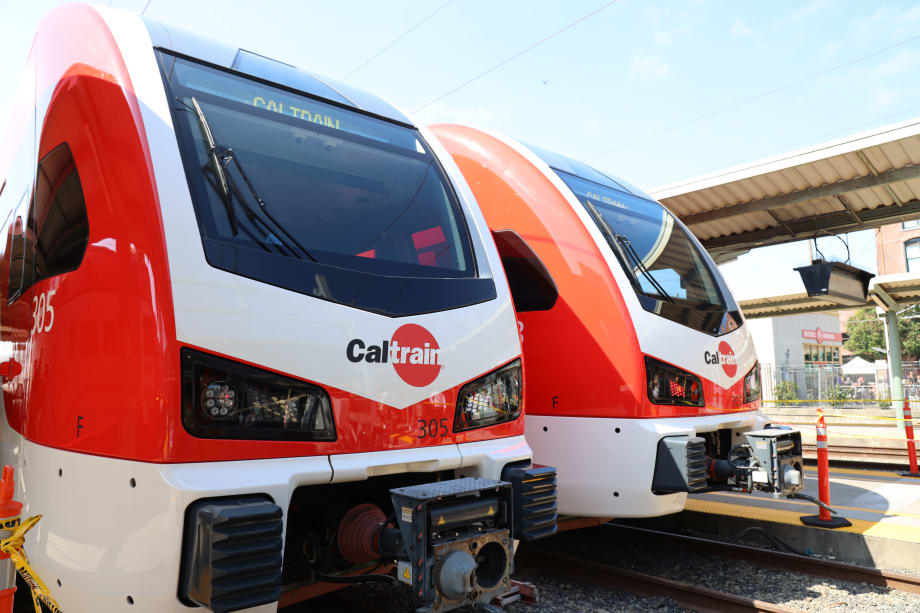
The service improvements are possible because Caltrain is replacing all the aging diesel trains between San Francisco and San Jose with electric trains that provide better service performance and quality, according to the agency.
As ridership and revenue continue to grow, Caltrain will have the capacity for even more regular service as a result of Electrification, with the capability to run up to six trains per hour during the peak.
Photo: Caltrain
3 min to read
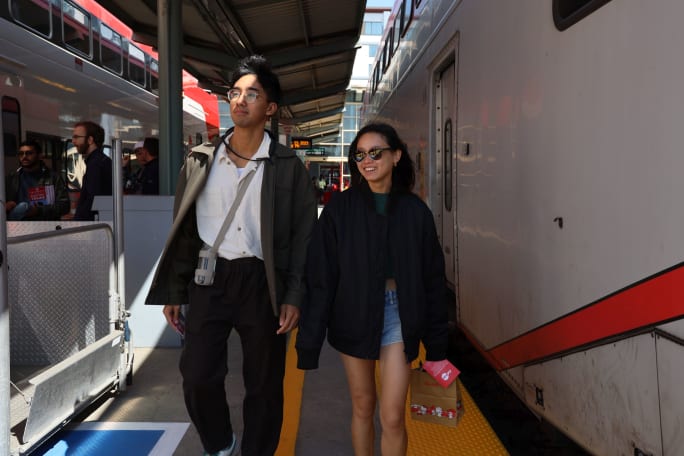
San Carlos, Calif.’s Caltrain unveiled its new plan for electrified service, which includes faster transit times, more frequent service including during weekends, and increased amenities like on-board Wi-Fi and electrical outlets at every seat.
The service improvements are possible because Caltrain is replacing all the aging diesel trains between San Francisco and San Jose with electric trains that provide better service performance and quality, according to the agency.
Ad Loading...
The new service schedule is slated to begin with the completion of the Electrification Project in fall 2024.
"With electrified Caltrain service now less than a year away, it is exciting to see a new schedule in place that will allow riders to get to their destinations quicker and more often,” said Caltrain Board Chair Jeff Gee. “While there is still a lot of work ahead of us, the vision of greener, quieter and more efficient trains will soon be a reality."
Caltrain’s Service Plan
The finalized service plan reflects community input on the proposed service plan announced in October and survey responses from Caltrain’s customer survey and general population study.
Survey respondents’ top priorities were faster and more frequent service, with an emphasis placed on improved weekend service. The new service plan now includes more frequent weekend service and trains running every 30 minutes.
As ridership and revenue continue to grow, Caltrain will have the capacity for even more regular service as a result of Electrification, with the capability to run up to six trains per hour during the peak.
Ad Loading...
Faster Service
Weekday peak period service will feature four trains per hour running in each direction, including an express train running between San Jose and San Francisco in under an hour.
Local service times will be reduced from 100 minutes down to 75 minutes.
Travel time from Southern Santa Clara County (Gilroy/Morgan Hill) to San Francisco will be cut by nearly 30 minutes.
Ride More, Wait Less
Overall, there will be a 20% uptick in train service at stations.
At equity priority stations, there will be 26% more train service.
During weekends there will be service every 30 minutes (compared to every hour today).
Overall, there will be a 20% uptick in Caltrain service at stations.
An overall smoother and quieter experience while on board.
Each seat will host outlets for riders to stay plugged in.
Trip information will be displayed digitally onboard each train.
Each train will be equipped with spacious and accessible bathrooms that even include a baby changing table.
Cleaner, Greener Service
Caltrain’s new electric trains will:
Reduce greenhouse gas emissions by 250,000 metric tons of carbon dioxide, which is the equivalent of taking 55,000 cars off the road each year.
Improve local air quality.
Quieter trains, which will be noticeable both onboard and off.
Provide 100% emission free service from San Francisco to San Jose, with future plans for a zero-emission corridor to Gilroy with a hybrid battery train.
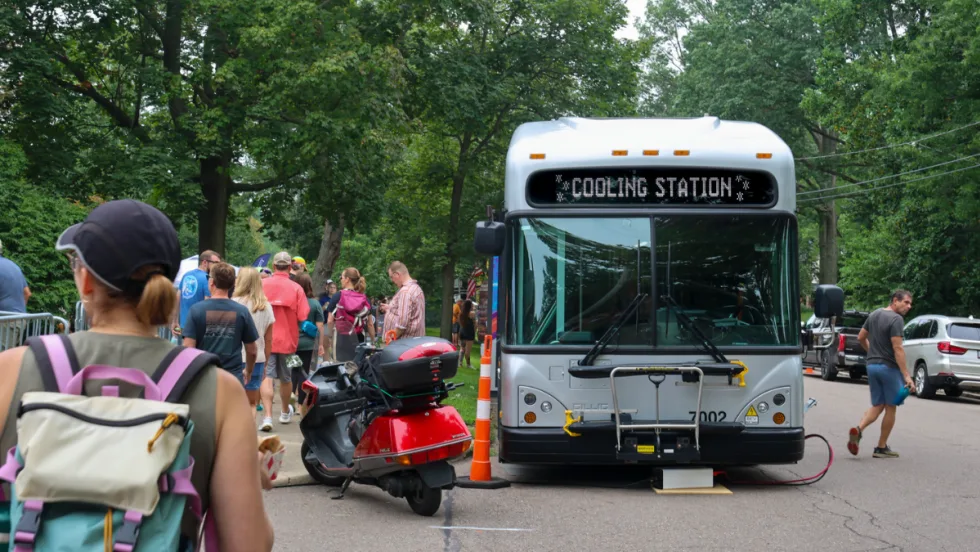
See how three Gillig battery-electric buses powered festival stages while the agency’s new Park & Ride service carried approximately 1,000 attendees, demonstrating another potential use for transit agencies’ electric fleets.
The new name represents a renewed vision for the nonprofit focused on advancing clean, equitable, and affordable transportation solutions that move people and goods.
John Hroncich discusses BAE Systems’ modular and scalable approach, lessons learned from decades of real-world operations, and how agencies can identify electrification strategies that fit their fleets.
UB, transportation solutions provider WeDriveU, and fleet electrification specialist Zenobē marked the deployment in the presence of students, university administrators, and local officials.
From manufacturers and suppliers to transit agencies and motorcoach operators, these updates offer a snapshot of the projects, partnerships and business moves driving the industry forward.
The agency’s maintenance chief discusses leadership, workforce development, zero-emission technology, and preparing technicians for the future of public transportation.
The firm will work with CTDOT and RVT to define the facility layout, operational requirements, and long-term flexibility for RVT’s growing electric fleet.
The fast-charging infrastructure will help extend electric bus range, improve fleet utilization, and support DASH's goal of transitioning to a fully zero-emission fleet.