
Metro Magazine

 MENU
MENU SEARCHMENUSEARCH
Loading data...

Buses fueled by natural gas would be the lowest-cost option for CityBus in a 15-year project that examined expenses of buying buses, maintaining them and keeping them fueled. The diesel-electric hybrid would be the costliest.
Read More →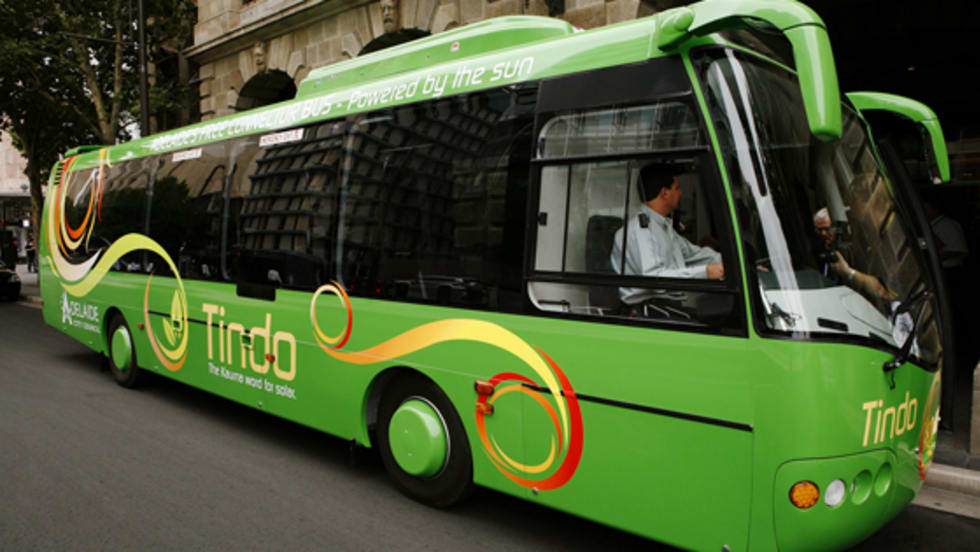
The air-conditioned vehicle, which can carry up to 40 passengers, is not equipped with solar panels, but is recharged using a solar photovoltaic system installed at the operating city's bus station.
Read More →Natural gas from a local landfill is fueling 143 buses that had been powered by fossil natural gas.
Read More →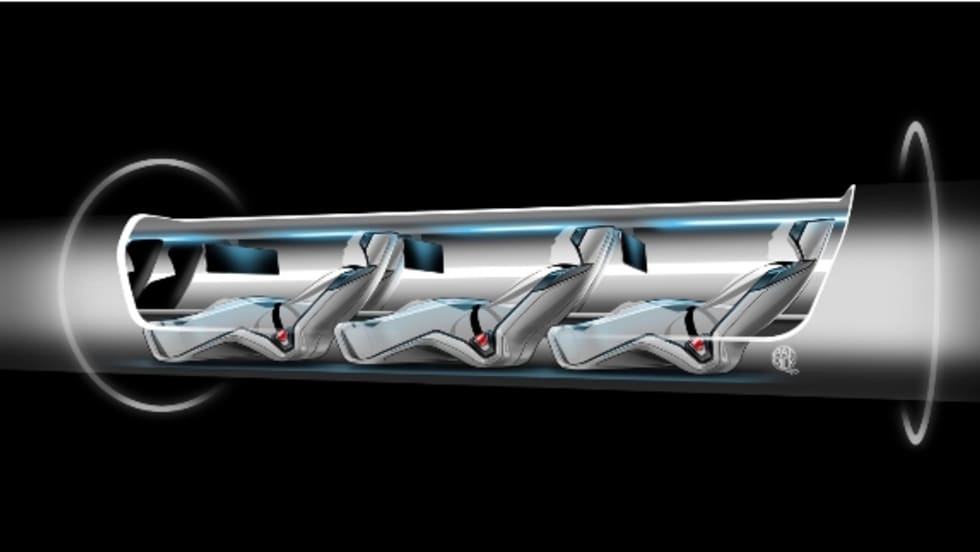
System would transport people via aluminum pods enclosed inside of steel tubes that would travel up to 800 miles per hour.
Read More →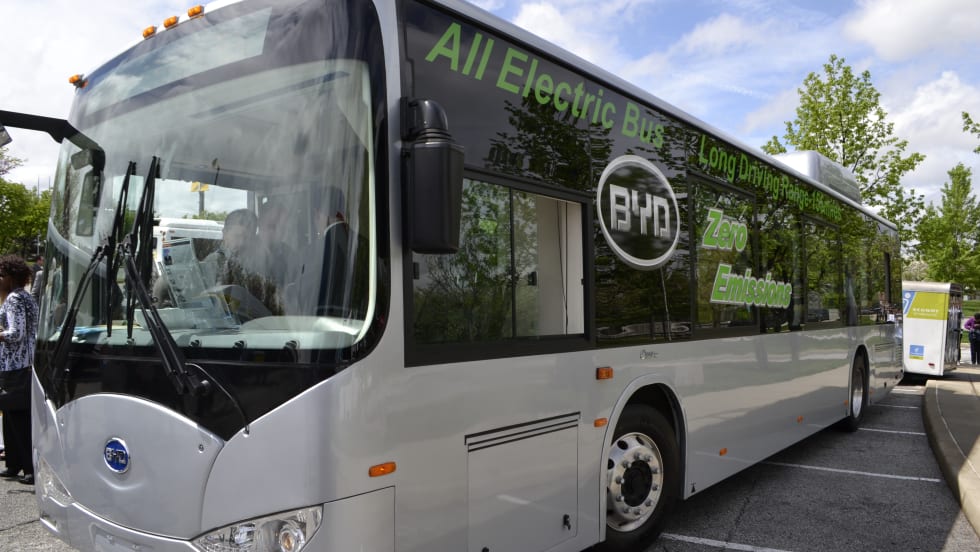
The 35 buses will enter service in July of 2014 and replace an ageing fleet of conventionally powered buses.
Read More →The new propane-powered Ford transit vehicles will save taxpayer dollars and help improve community air quality.
Read More →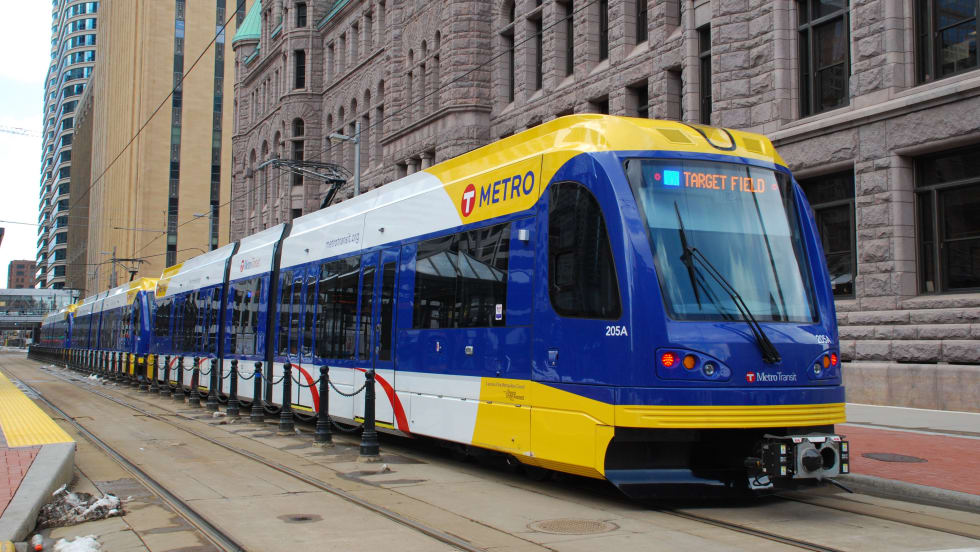
Metro Transit bought approximately 71,000 kilowatt hours of wind-generated electricity from energy supplier Xcel Energy’s Windsource program as part of an Earth Day event. This was just one of many components of its Go Greener initiative.
Read More →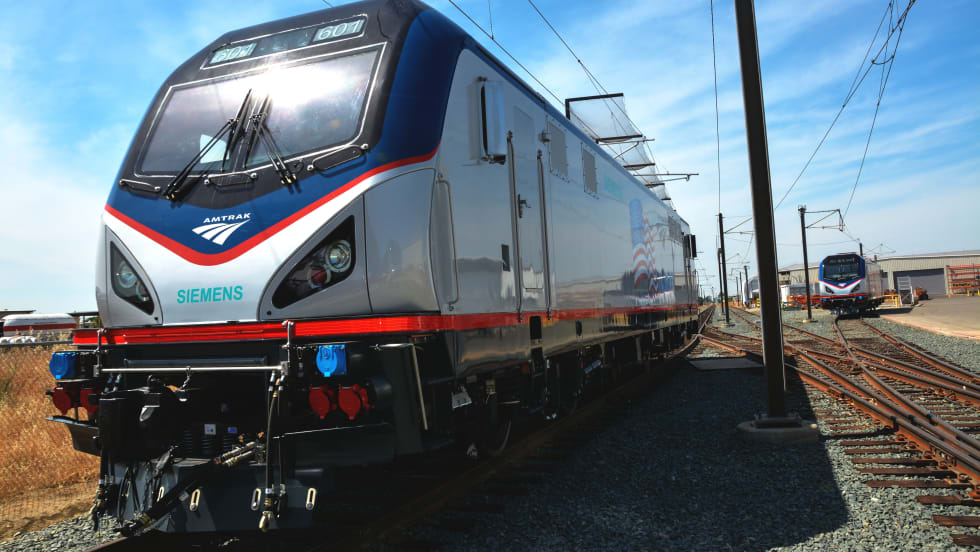
Electric locomotives are being assembled in Siemens’ Sacramento, Calif., rail manufacturing plant powered by renewable energy, with parts built from its plants in Norwood, Ohio, Alpharetta, Ga., and Richland, Miss., and nearly 70 suppliers, representing more than 60 cities and 23 states.
Read More →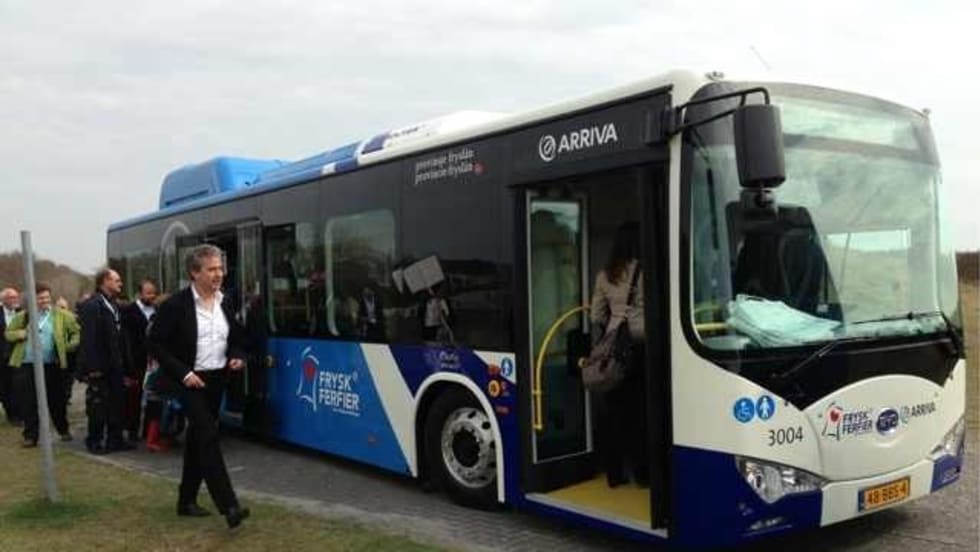
The six-vehicle contract was awarded last June 2012 in Europe's first publicly tendered order for electric-powered full-size buses.
Read More →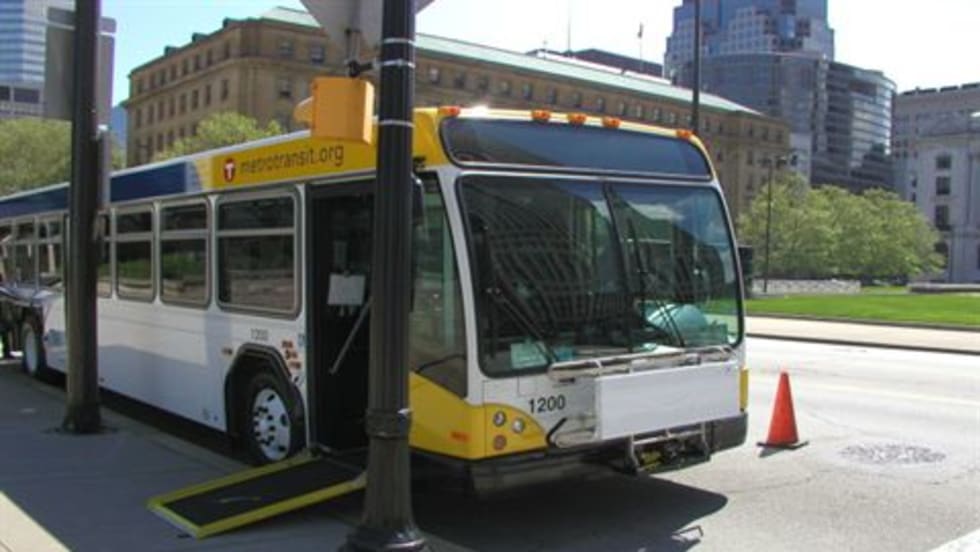
Using Xcel Energy’s Windsource program, the agency purchased approximately 71,000 kilowatt-hours of wind-generated electricity — about a day’s worth of the power required to operate the light rail line on Earth Day.
Read More →