
Metro Magazine

 MENU
MENU SEARCHMENUSEARCH
Loading data...
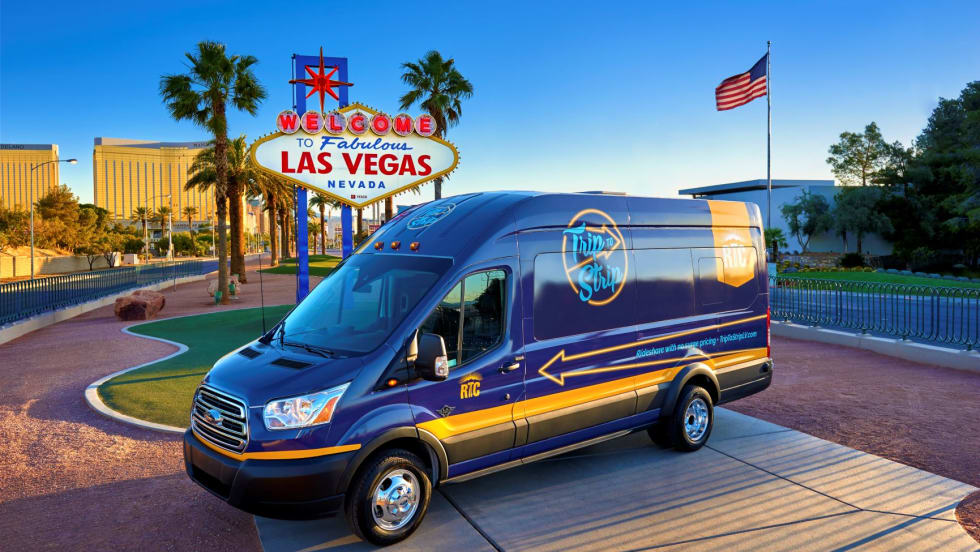
"Trip to Strip" gives riders the opportunity to travel to popular Vegas hot spots without the hassle of traditional ride-share services.
Read More →
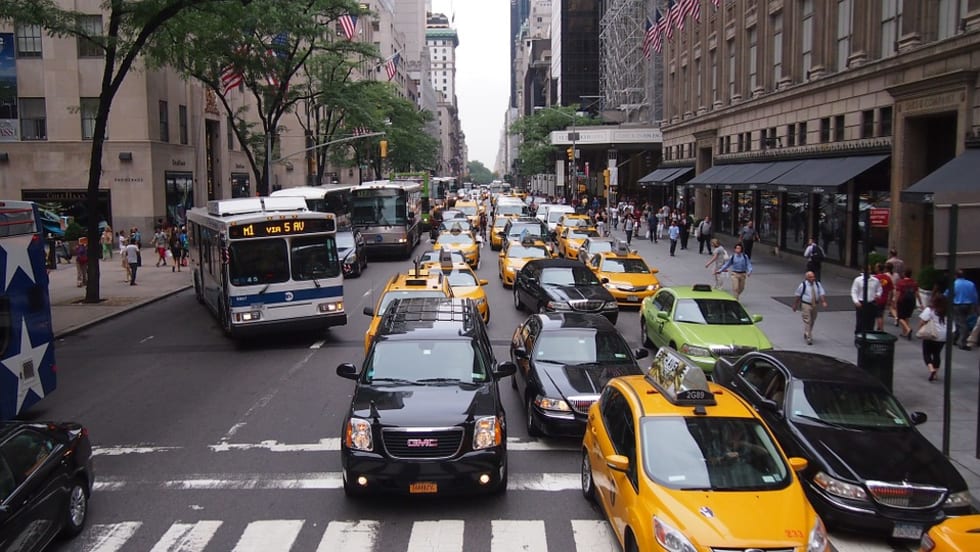


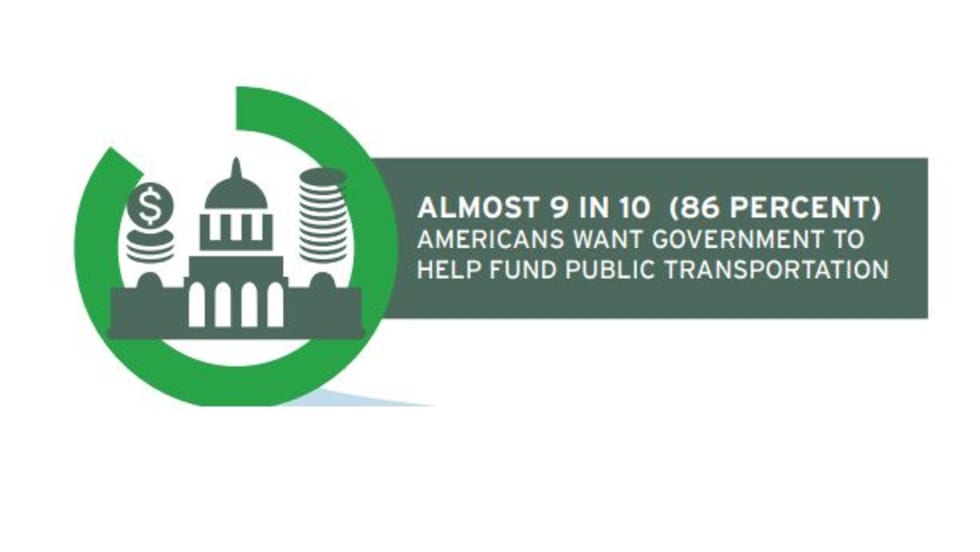


Julie Kirschbaum has more than 20 years of transportation experience and was selected in 2017 as chief transportation officer.
Read More →NYSERDA and NYSDOT will award the funding as part of a two-step competitive process.
Read More →The results also show that cities in the Northeast and Mid-Atlantic tend to rank higher for public transit.
Read More →Women in New York City spend an average $26 to $50 extra per month to stay safe on transportation.
Read More →Nearly 50% interested in access to different transportation modes for door-to-door travel with a single payment for the entire trip.
Read More →Public awareness day encourages people to "Dump the Pump" by parking their car and riding a bus or train instead.
Read More →Well-being — defined as an individual's assessment of his or her health and quality of life — is associated with longevity and better health outcomes.
Read More →The economy largely depends on the transportation industry to keep people, and things, on track. Workers in this industry employ seven percent of America’s workforce and are expected to grow six percent by 2026, according to the Bureau of Labor and Statistics.
Read More →Startups and legacy industries are harnessing big data to transform and revolutionize the ways their services are offered. Among the sectors sitting on the richest mines of data is public transportation, with municipalities and service providers boasting decades of data on urban transportation and mobility.
Read More →