



New report reveals what Americans want from public transit
Riders of all ages and in all regions place the greatest value on factors like travel time, proximity, cost, and reliability above safety, frequency, and perks like Wi-Fi when choosing whether or not to take public transportation.

A first-of-its-kind study about attitudes toward transit use in the U.S. was released today by TransitCenter, a philanthropy committed to improving transit through innovation. The study – "Who’s on Board: The 2014 Mobility Attitudes Survey" – reveals that Americans from regions coast to coast think about and use public transit in remarkably similar ways. The report is the first to compare rider and non-rider attitudes by age, income, education, family status and ethnicity, and to examine both cities and suburban areas across various regions of the U.S.
“We commissioned this survey to take a deeper look at the public attitudes which are propelling recent increases in transit ridership,” said Rosemary Scanlon, Chair of TransitCenter and Divisional Dean of New York University’s Schack Institute of Real Estate. “As Millennials begin to take center stage in American life and the Baby Boom generation confronts retirement, both the transit industry and the real estate industry will need to adjust. Who’s On Board offers significant insights for professionals in both fields.”
The survey, the largest of its kind, sampled nearly 12,000 people from a selection of 46 metro areas across the country, including a mix of “transit progressive” cities (such as Miami, Denver, Seattle, and Minneapolis) and “transit deficient” cities (such as Tampa, Fla., Dallas, Fresno, Calif. and Detroit) revealing several surprising trends about today’s public transit commuters:
Riders of all ages and in all regions place the greatest value on factors like travel time, proximity, cost, and reliability above safety, frequency, and perks like Wi-Fi when choosing whether or not to take public transportation.
There is a high demand for quality public transportation nationwide, but such infrastructure is often missing in the places where people currently live; There is also a high, unmet demand for neighborhoods with a mix of housing, retail, and commercial space – 58% of survey respondents said their ideal neighborhood contained “a mix of houses, shops, and businesses,” but only 39 percent currently live in that type of neighborhood.
People with children are just as likely to use transit as people without children, when factors like place of residence and age are accounted for. Where transit is effective, families will – and already do – ride transit to meet their daily needs. Places that want to use transit to attract young people should take heart: Transit will not lose its appeal for young residents starting families.
Wealthy Americans want to ride public transportation too: In transit-rich “Traditional Cities” like New York City, Philadelphia, Washington, D.C. and Chicago, people with a $150,000 or greater salary are just as likely to ride public transportation as people with a $30,000 salary.
Even though they grew up using public transit more than today’s youth, America’s Baby Boomers are mostly reluctant to use public transit now. Americans under 30 are 2.3 times more likely to ride public transit than Americans age 30 to 60, and 7.2 times more likely than Americans over 60. Even after controlling for other factors, older people are less likely to ride transit than younger people.
“Traditional Cities” have the greatest share of transit users and commuters, followed by the West Coast cities, where 31% of people under 30 used public transit at least once a week.
“These findings provide concrete evidence of what many of us in the transit field have long suspected: there is a desire for reliable, quality transportation in communities across all regions of the U.S., and among riders of all ages, backgrounds and financial status,” said David Bragdon, Executive Director of TransitCenter. “Unfortunately, this desire is largely going unmet, to the detriment of many local economies. To serve – and attract – residents and workforces today and in the future, cities need to unite land use and transit planning to form comprehensive, innovative infrastructures that can support this demand.”
“Denser, mixed-use places are what most Americans want today, and will demand tomorrow,” said Christopher Leinberger, Chair of George Washington University’s Center for Real Estate and Urban Analysis and president of LOCUS, a national network of real estate developers who support sustainable growth. “High-quality transit can serve as a backbone for exactly this kind of development. While cities and suburbs that marry transit and mixed-use development reap the rewards, those that stick with a conventional suburban approach may find themselves stagnating.”
The report is based on a survey administered online to 11,842 respondents, in 46 Metropolitan Statistical Areas (MSA’s) who were selected and invited to participate based on age and geography (by home ZIP code). The survey will be updated and conducted regularly to track changes in transit rider attitudes and regional trends over time.
To speak with experts from TransitCenter about the report findings, please contact Katie Andriulli at kandriulli@mrss.com or (917) 438-4605.
More Paratransit

Biz Briefs: RIPTA Unveils New Frontrunners, Clevland RTA Adds New Siemens, and More
In METRO's latest installment, we take a look at recent news from Siemens, Prevost, Dodge, and more partnerships making headlines across the transportation sector.
Read More →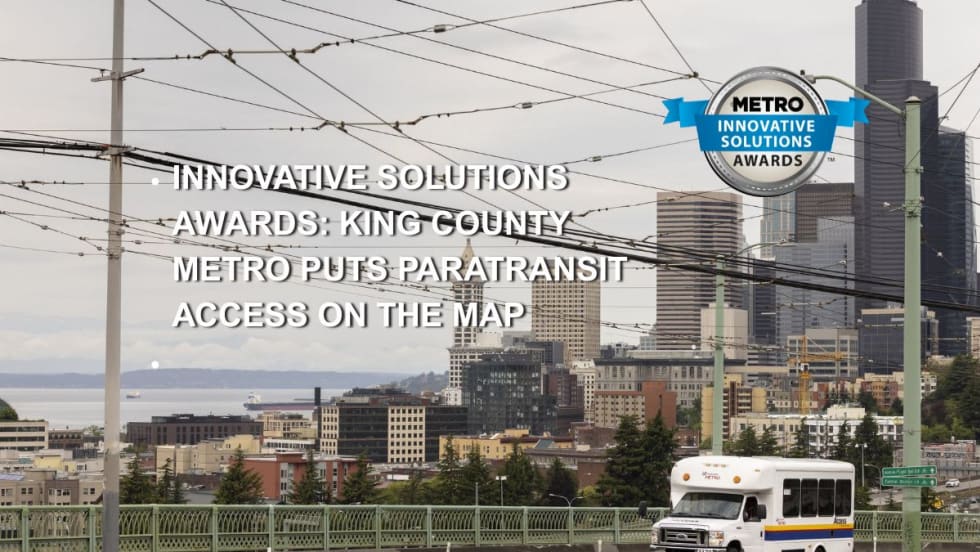
King County Metro Makes ADA Paratransit Easier to Navigate
METRO's Innovative Solutions Award winner replaces complex service-area descriptions with an accessible, interactive map that puts paratransit information directly in customers’ hands.
Read More →
Jacksonville’s NAVI Project Charts a New Course for Autonomous Public Transportation
Through its NAVI program, JTA is showing how autonomous vehicles, intelligent infrastructure, and coordinated operations can work together to deliver everyday public transportation.
Read More →
Driving Smarter Paratransit
John Hanlon shares how AlphaRoute is leveraging AI-powered technology to help paratransit providers optimize operations, support frontline staff, and enhance the rider experience.
Read More →
METRO Magazine Announces 2026 Innovative Solutions Awards Winners
Projects Recognized for Advancing Mobility Through Technology, Accessibility, Workforce Innovation, and Operational Excellence
Read More →
Biz Briefs: STV teams with Amtrak, Motorcoach Operators Boost Fleet and Land Contracts, and More
From manufacturers and suppliers to transit agencies and motorcoach operators, these updates offer a snapshot of the projects, partnerships and business moves driving the industry forward.
Read More →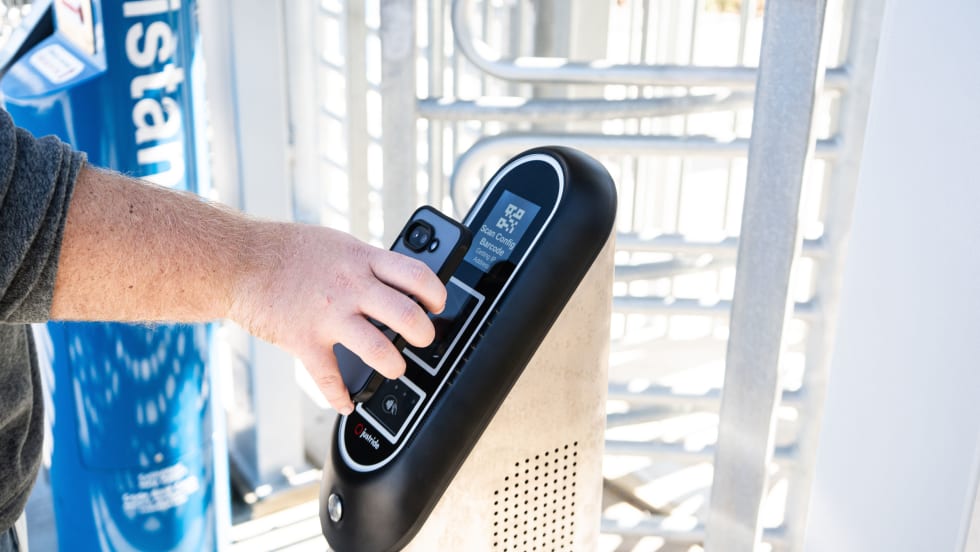
Biz Briefs: Masabi Teams with St. Louis Metro and More
In METRO's latest installment, we take a look at recent news from Transdev, Hitachi, and more partnerships making headlines across the transportation sector.
Read More →
New York MTA Leverages Zoning Program to Advance Station Accessibility
Accessibility enhancements at Nevins St Station will be financed through a development agreement tied to the MTA's Zoning for Accessibility initiative.
Read More →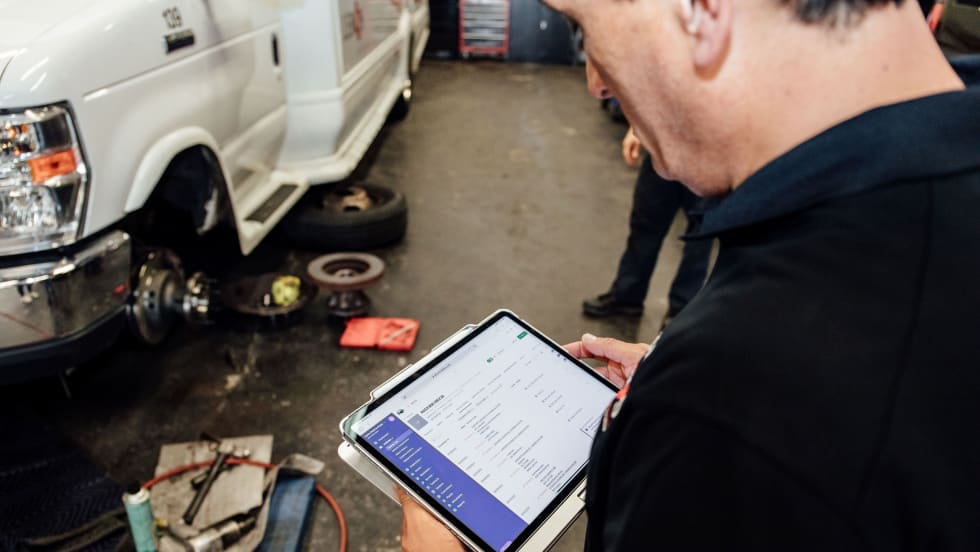
Reinventing Fleet Maintenance with Real-time Visibility and AI
Transit leaders need to know what needs fixing, where to look, who is responsible, when work is completed, and what it costs without having to chase information across disconnected systems.
Read More →
SamTrans Sets Priorities for Potential Connect Bay Area Revenue
The board-approved framework allocates future funding to maintaining service, rider improvements, equity initiatives, and infrastructure repairs.
Read More →