



Could Technology Allow Uber to Displace Public Transportation?
The Uber website proudly states that, “Uber is evolving the way the world moves. By seamlessly connecting riders to drivers through our apps, we make cities more accessible, opening up more possibilities for riders and more business for drivers. From our founding in 2009 to our launches in over 200 cities today, Uber's rapidly expanding global presence continues to bring people and their cities closer.” Such hype is common on corporate websites, but when the braggadocio is backed up by an article in the Wall Street Journal that discloses a valuation of $41 billion their ambitious words take on relevance.

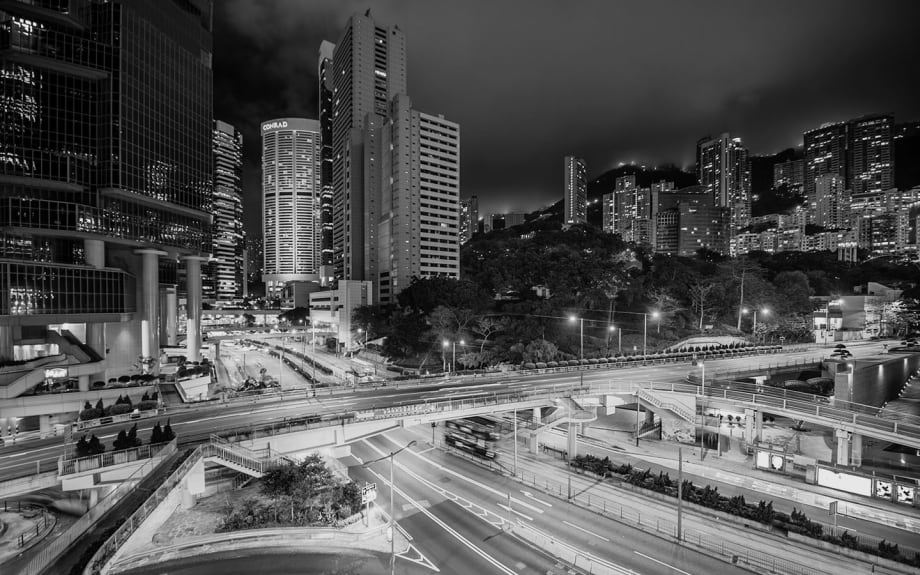
Uber

Uber
The Uber website proudly states that, “Uber is evolving the way the world moves. By seamlessly connecting riders to drivers through our apps, we make cities more accessible, opening up more possibilities for riders and more business for drivers. From our founding in 2009 to our launches in over 200 cities today, Uber's rapidly expanding global presence continues to bring people and their cities closer.”
Such hype is common on corporate websites, but when the braggadocio is backed up by an article in the Wall Street Journal that discloses a valuation of $41 billion their ambitious words take on relevance.
Six years ago it seemed impossible for an upstart company to disrupt a highly regulated taxi industry, but that has all but been accomplished.
Now Uber has announced Uber Pool. The concept of Uber Pool is simple. They’re going to reduce expenses for the rider by introducing ride-sharing. The Uber driver picks up a rider. Then the pick up additional riders (along with additional fees) while dropping off riders at their requested locations.
Sounds a lot like a bus making its way through a route.
Given enough Uber cars on the road, would there be a need for city shuttles or buses, except for those unable to pay the Uber fares?
Does such a disruption sound improbable? Uber Pool is already running in San Francisco, Paris and New York. The company has reported riders are developing habitual behavior using the same route five days a week. Regulators are already on alert citing possible violations.
That probably won’t faze Uber. As an observer of the insurance industry, I haven’t been a big fan of Uber’s tendency to seemingly disregard regulation and their ability to use civic arguments to generate free publicity and an advantage over their competitors.
The financial world clearly supports Uber, lining up to pour what seems to be an unlimited amount of investment to support Uber’s growth.
The money keeps coming despite the fact that Uber has been hit with a multitude of class action lawsuits claiming:
Uber drivers have been misclassified as independent contractors.
Uber passengers have been misled by claims that the $1 safe rides fee is warranted because their background checks were “industry leaders.”
Uber drivers are being exploited.
Uber discriminates against the blind, charges bogus fares and has violated the Fair Credit Reporting Act.
This is only a partial list, but makes you wonder if founder Travis Kalanick deserves his reputation as Darth Vader.
Uber has used a variety of methods to flummox regulators into negotiating new rules for Transportation Network Companies (TNCs). It would be extremely shortsighted to assume that the current bus and shuttle regulations will protect the integrity of those industries any more than they have the taxis.
The public seems to have a strong stomach when it comes to riding in cars with questionable insurance, being driven by people with little or no relevant training, who have been subjected to questionable background checks.
The people who use Uber are so enamored with the company that they willingly agree to Terms and Conditions that don’t hold Uber accountable for virtually anything and require the rider to indemnify Uber for possible legal expense.
It’s doubtful that bus riders who have the wherewithal to use Uber will display much loyalty to a public bus service that is impartial and much needed, by many. Give some thought to the culture surrounding the Uber experience.
“I was basically picking up hitchhikers and trying to convince myself: Murderers don’t use iPhones.” Confessions of a part-time Uber driver.
Common sense and public spirit will not be a priority.
In the words of fictional American philosopher Chester A. Riley, “What a revoltin’ development this is.”
More Blog Posts
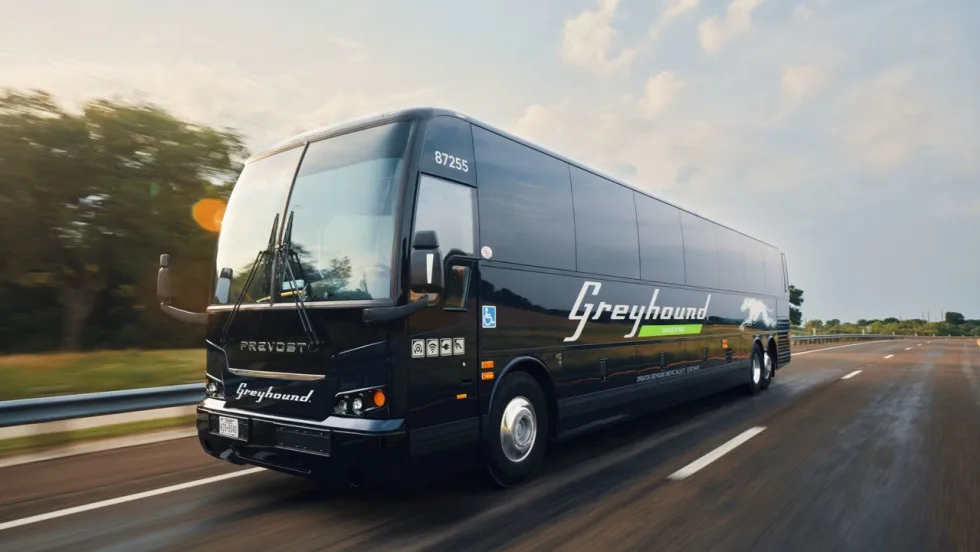
Five Years Later: What’s Changed at Greyhound
Five years after Flix acquired it, Greyhound reflects on fleet modernization, operational improvements, employee empowerment, and a renewed focus on customer experience.
Read More →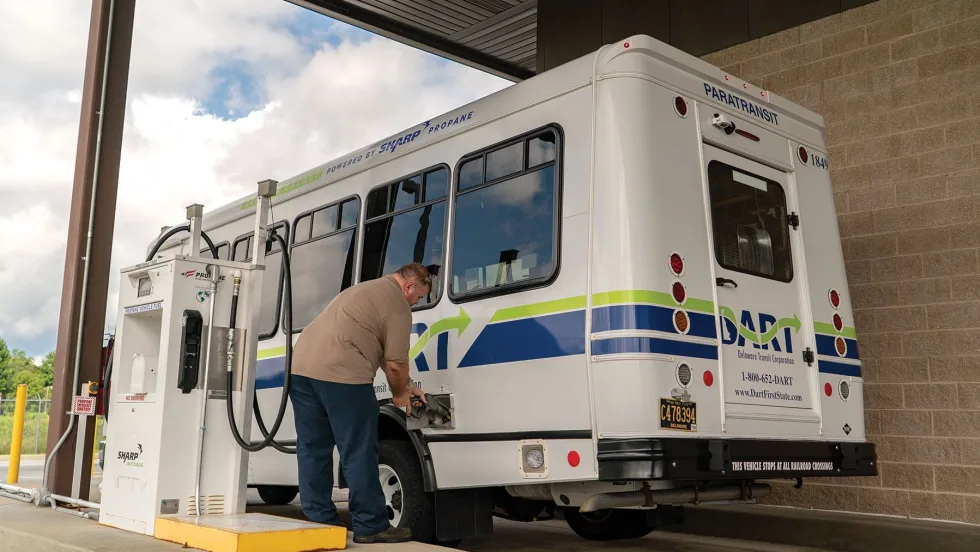
Building a Winning FTA Grant Proposal: Why Propane Autogas is the Pragmatic Choice for Fleet Resilience
With $610 million available through the FY 2026 Buses and Bus Facilities Competitive Program and the Low or No Emission Grant Program, agencies must build a compelling case before the September 21 deadline that balances environmental compliance with operational feasibility.
Read More →
Velo-city Conference 2026: Latest Trends in Cycling as Part of Urban Mobility
The global cycling conference highlighted how cities are integrating bicycles into multimodal transportation networks, expanding cycle tourism and reshaping urban mobility.
Read More →
Kindness Isn’t Soft...It’s Strategic.
Mike Bismeyer — often known as “The Kindness Guy” — has spent more than 17 years in public transit and mobility, serving in industry leadership roles, speaking across North America, and advocating for stronger workplace cultures. But his message doesn’t come from theory. It comes from lived experience.
Read More →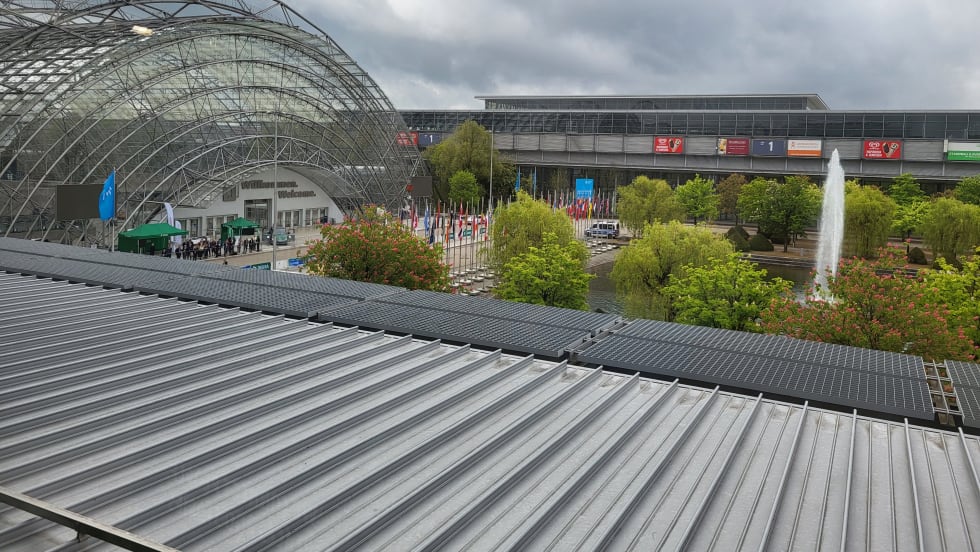
Inside ITF 2026: Transport Reacts to A Challenging World
Transport leaders from around the world gathered in Leipzig, Germany, for the 2026 International Transport Forum to discuss resilience, climate impacts, supply chains and the future of sustainable mobility.
Read More →
Every Ride Tells a Story — But You’re Not Just Selling the Ride
You’re selling the moment, the meaning, and the emotion behind it.
Read More →
How Digital Signage is Reshaping the Traveler Experience at Transportation Hubs
What was once a landscape of static signs has evolved into a responsive, immersive environment powered by real-time visual communication.
Read More →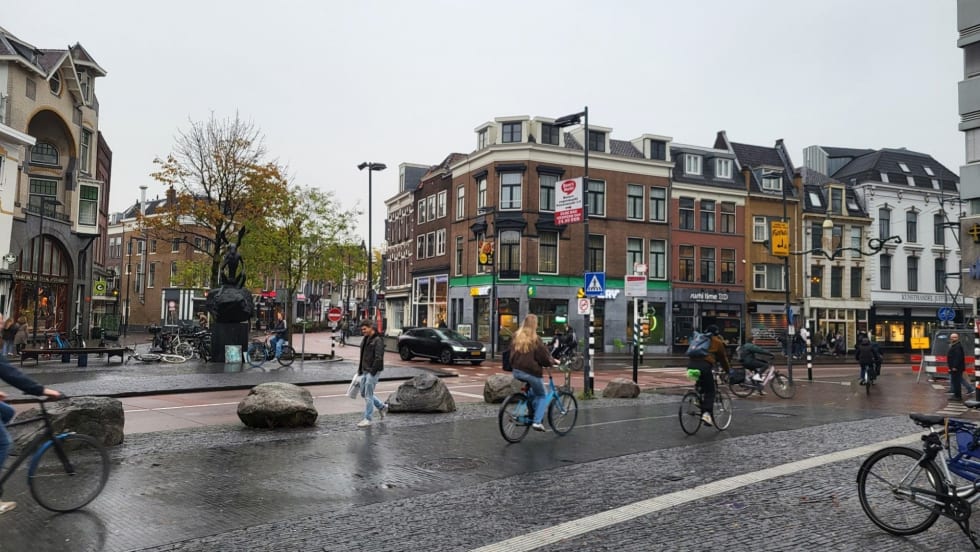
Latest Trends in Urban Mobility from Polis Conference 2025
Polis comprises cities and regions, as well as corporate partners, from across Europe, promoting the development and implementation of sustainable mobility. This year’s event had over a thousand attendees across various policy forums and an exhibition.
Read More →
Why Transit Leaders Require Better Tools for Operational Clarity In Today’s Tech-Fragmented Environment
Across North America and beyond, transit agency officials are contending with a perfect storm of operational headaches and strategic challenges that hamper daily service and long-term progress.
Read More →
The Powerless Brokers: Why California Can’t Build Transit
It is no secret that transit in the U.S. is slow and expensive to build.
Read More →