
Metro Magazine

 MENU
MENU SEARCHMENUSEARCH
Loading data...

David Kubicek, who was instrumental in improving safety on the Metrorail, will leave the Washington Metropolitan Area Transportation Authority on March 18. It is not clear what he plans to do next.
Read More →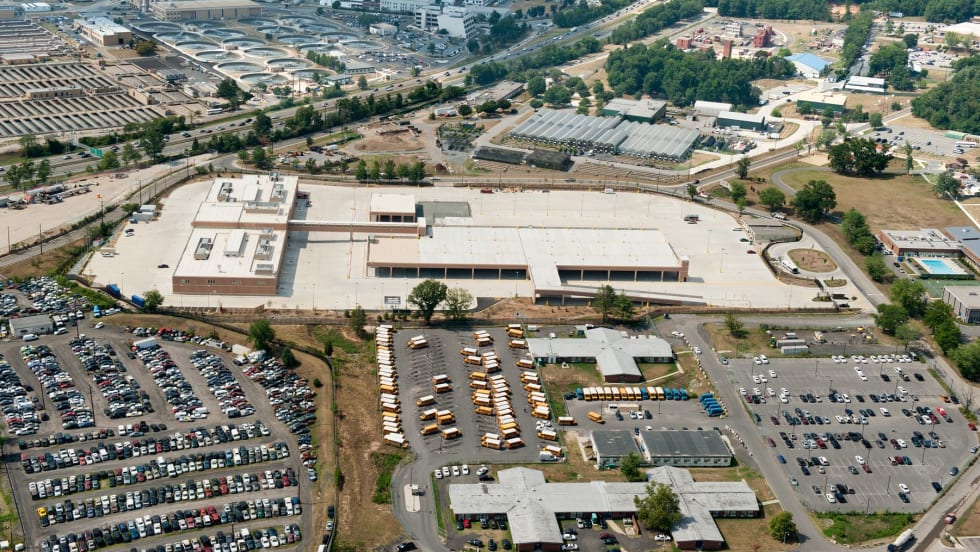
Ninety-one percent of train stops occurred on time, a 1% improvement over 2011, and the rail system made a 13% improvement in reliability over last year. Additionally, Metro has been able to put into service an average of 23 more cars each morning in 2012 compared to 2011, reducing crowding.
Read More →The National Safety Council recognized Richard R. Sarles as one of its 2013 CEOs Who “Get It,” its annual recognition of business leaders who demonstrate world-class safety.
Read More →The Voice of the Customer report surveyed rail and bus riders about customer satisfaction, reliability, safety, cleanliness and customer service. 87% of bus and 86% of rail riders rated high satisfaction with security. 79% of bus and rail riders reported a high likelihood to recommend Metro to a friend.
Read More →In response to criticism from city officials, the agency will not cut service after 8 p.m. to some neighborhoods in the Southeastern region of Washington, D.C., despite routine attacks that injure riders and drivers and damage the buses.
Read More →This summer, there seemed to be an uptick in transit agencies working to offer more services to bicyclists. Was this just because of the summer, when more people are out and about on their bikes, or is there a larger movement afoot in how people travel and commute with transit?
Read More →The Shepherd Parkway Metrobus Division sits on 16 acres of land with space for up to 250 buses. Initially, it will house 114 Metrobuses that operate on 50 routes mainly in Southeast and Southwest Washington, D.C., providing better service for thousands of customers.
Read More →Outstanding safety recommendations included, enhance the safety redundancy of [Metro’s] train control system by evaluating track occupancy data on a real-time basis and Implementing cable insulation resistance testing as part of Metrorail’s periodic maintenance program.
Read More →Farecard vending machines planned for installation at every Metro rail station have no audio feature, which will make them difficult, if not impossible to use for riders who are blind, have impaired vision or cognitive impairments.
Read More →The order for 95 Xcelsior XDE40 buses is a conversion of options under the existing contract with the transit system and follows upon the delivery of 152 Xcelsior buses during 2011.
Read More →