
Metro Magazine

 MENU
 SEARCHMENUSEARCH
Loading data...
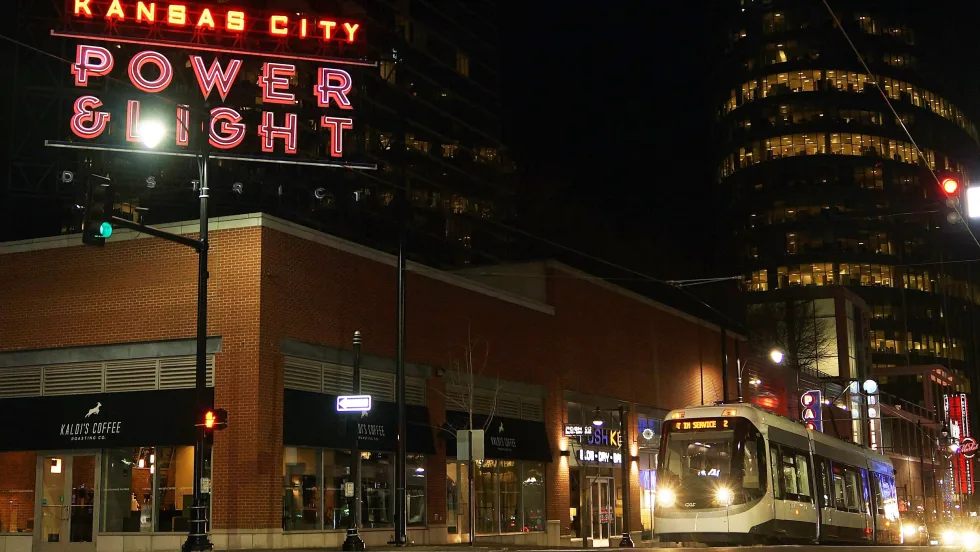
The streetcar might seem like a transit method of the past, but look at some of the major metropolitan areas in the U.S. — Portland, Seattle, Salt Lake City, Tucson, Atlanta, Dallas, Washington D.C. and Orange County — and it’s clear that cities are starting to embrace the streetcar once again. While it’s one cog in the wheel of a comprehensive transit system, streetcar systems can act as a boon for economic development, and a powerful tool for revitalizing sagging corridors and attracting the much-sought after talent of a young, hip workforce who choose to reduce, delay, or completely forego car ownership.
Read More →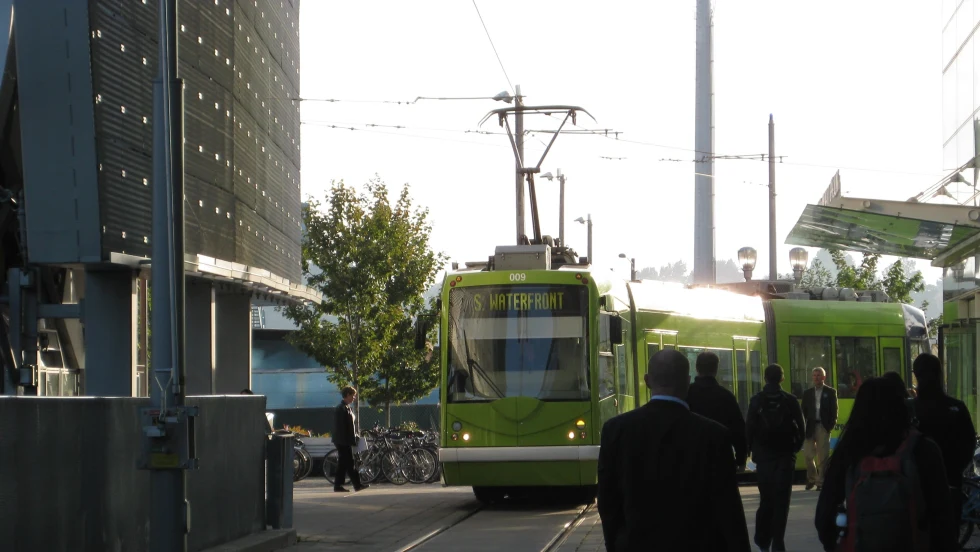



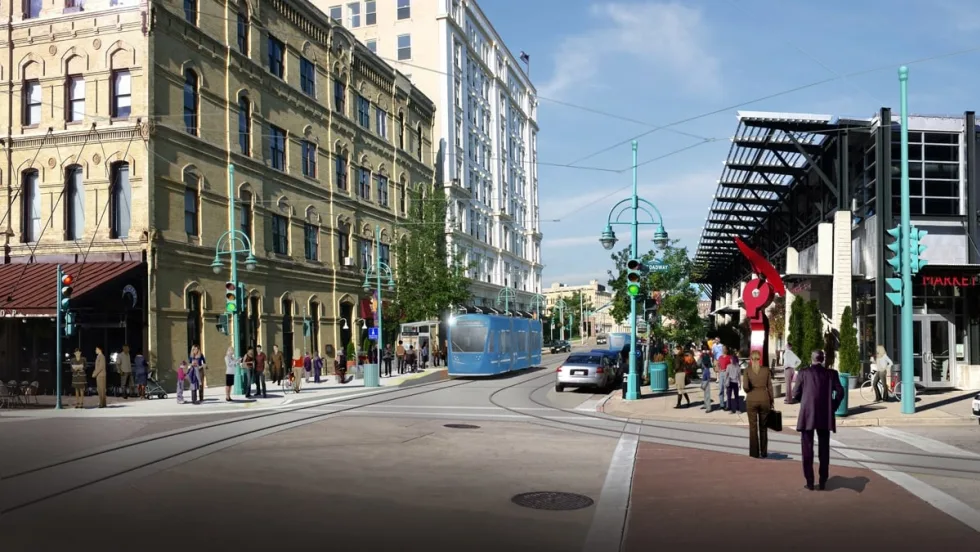
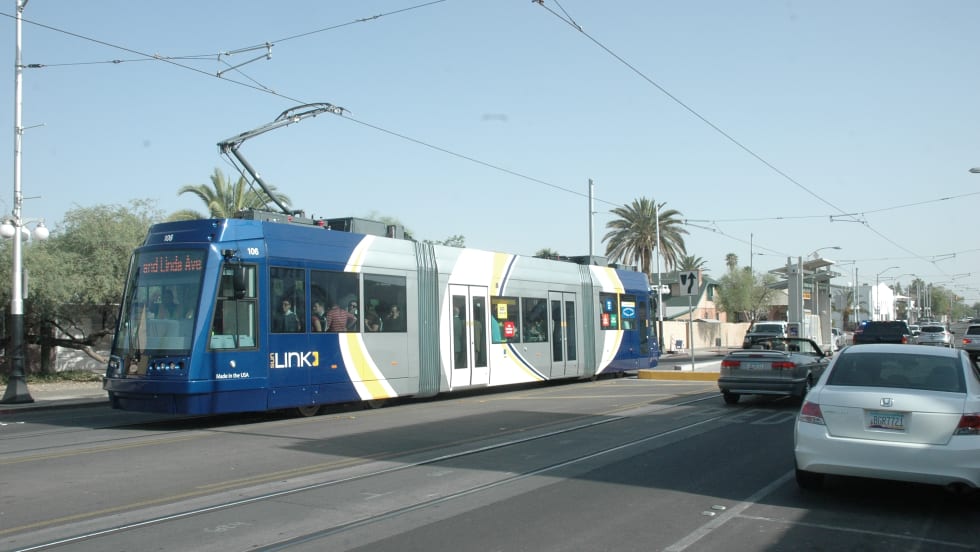
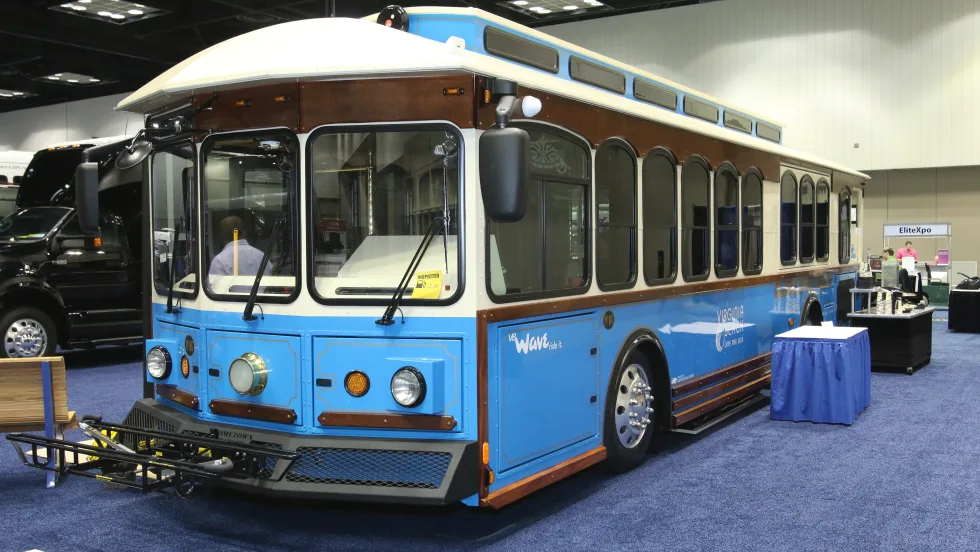
Perhaps one of the most misunderstood elements of modern streetcars is what they can offer a city, and in particular, what they can offer that other modes of transportation can’t.
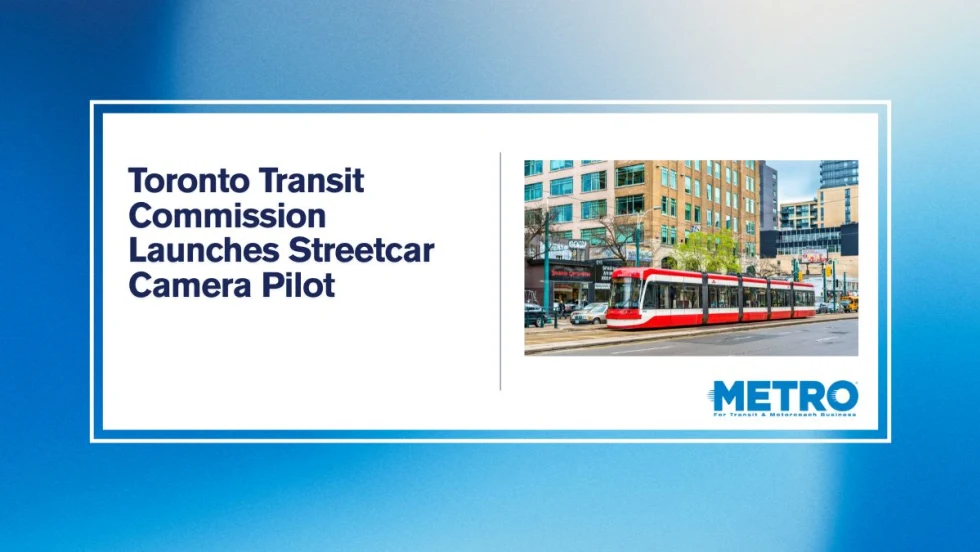
Read More →During the pilot, the cameras will measure how often illegal streetcar passing occurs and test the technology's reliability for future automated enforcement.
Read More →The series, “Transporting America,” explores how investments in roadways, runways and railways are preparing America for the future and creating economic opportunities today. United Streetcar has developed and built streetcars with the highest percentage of American parts and labor in more than 50 years.
Read More →The first modern streetcar built in the U.S. should be in service in Portland by the beginning of 2009.
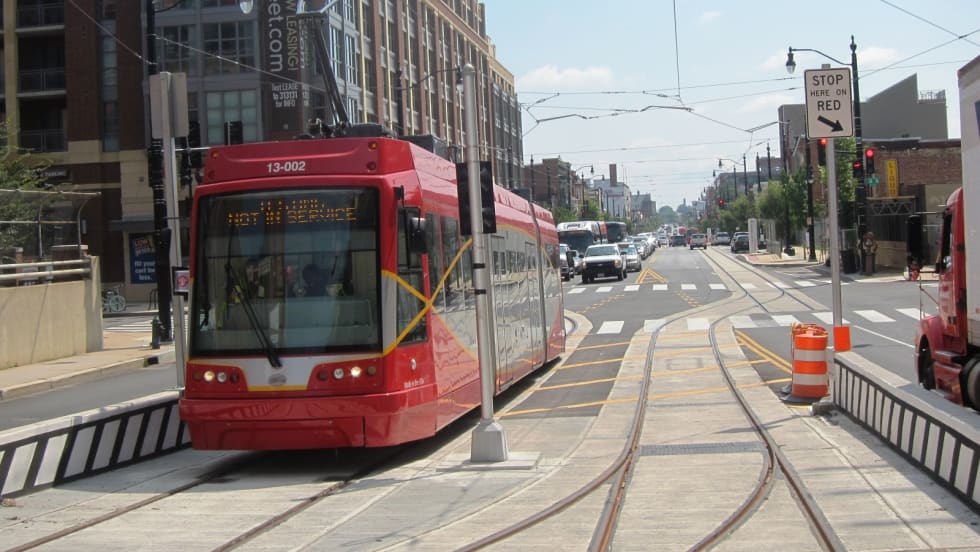
Read More →DC Streetcar operators share their best advice and top tips for motorists to interact safely around streetcars.
Read More →In addition to streetcar, a study calls for a BRT line on Rural Road, connecting the cities of Tempe and Chandler. Streetcar will advance first as local funding is available from Proposition 400, a countywide, half-cent transportation sales tax renewed by voters in 2004.
Read More →The future of Milwaukee's transportation system is taking shape, and it includes The Milwaukee Streetcar network, which provides a modern way for people to connect to their jobs, homes, and entertainment destinations. View more at http://www.themilwaukeestreetcar.com.
Read More →As an experienced designer of streetcar systems, one question I am frequently asked is, "Can a streetcar _____?" The blanks are usually filled with design challenges, such as "turn left from a curb lane", or "go under a low clearance underpass" or "operate at higher speeds and frequencies." More often than not, the answer is YES! Modern streetcar systems, such as those operating in Seattle, Tucson, and Atlanta, are modeled after European trams that are designed to fit within tight, complex, and built-out urban environments. The unique combination of vehicle's size coupled with the ability to operate in the same lanes as automobiles, trucks, and buses allow designers to create safe, efficient solutions to nearly every design challenge that arises.
Read More →The Streetcar Trolley has a full stainless steel low-floor, patent-pending, monocoque chassis design, exceeding the required 1:6 ratio for ADA loading, with a fold-out wheelchair ramp.
Read More →