




RELATED: Innovative Designs Bring Streetcar Back to Cincinnati
How Cities Are Embracing Streetcars Once Again
The streetcar might seem like a transit method of the past, but look at some of the major metropolitan areas in the U.S. — Portland, Seattle, Salt Lake City, Tucson, Atlanta, Dallas, Washington D.C. and Orange County — and it’s clear that cities are starting to embrace the streetcar once again. While it’s one cog in the wheel of a comprehensive transit system, streetcar systems can act as a boon for economic development, and a powerful tool for revitalizing sagging corridors and attracting the much-sought after talent of a young, hip workforce who choose to reduce, delay, or completely forego car ownership.
March 22, 2017
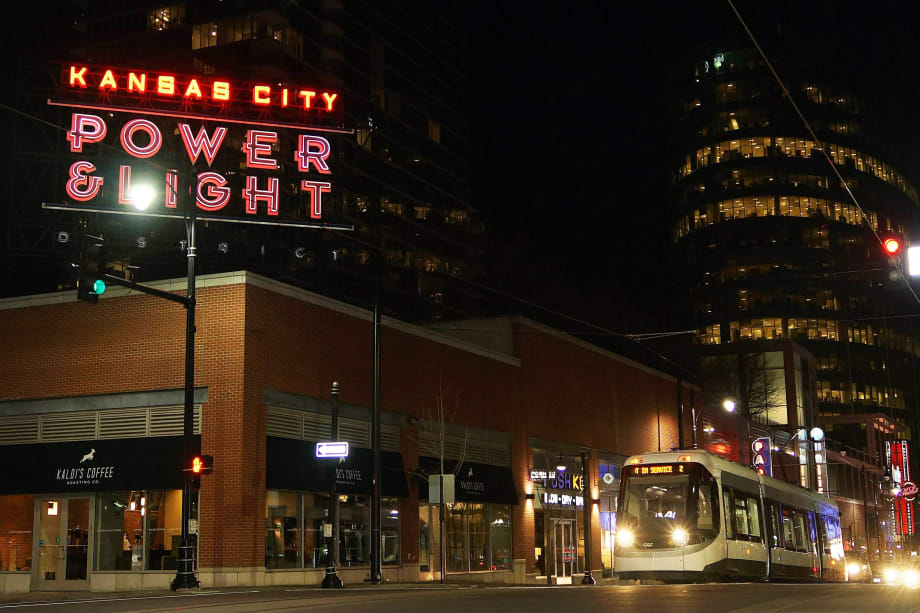
Kansas City Streetcar - Robert Hodnett
4 min to read
Kansas City Streetcar - Robert Hodnett
The streetcar might seem like a transit method of the past, but look at some of the major metropolitan areas in the U.S. — Portland, Seattle, Salt Lake City, Tucson, Atlanta, Dallas, Washington D.C. and Orange County, Calif. — and it’s clear that cities are starting to embrace the streetcar once again. While it’s one cog in the wheel of a comprehensive transit system, streetcar systems can act as a boon for economic development, and a powerful tool for revitalizing sagging corridors and attracting the much-sought after talent of a young, hip workforce who choose to reduce, delay or completely forego car ownership.
Reincarnation of the Streetcar
The reincarnation of the streetcar began in the U.S. with the 2001 opening of the Portland Streetcar. This "second generation" system emulates, in many ways, the operational model of the original streetcars — drawing power from an overhead wire, sharing space with vehicles, and stopping every block or two — but uses a sleek, modern train with ADA-accessible, low-floor boarding. Often credited with being the catalyst for the development of the well-known Pearl District, the Portland Streetcar made this "old" transit mode new again.
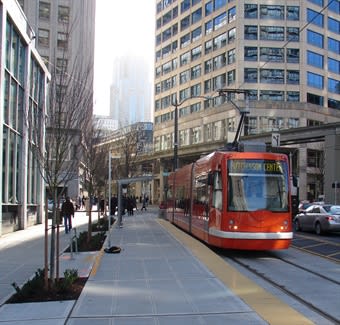
Seattle Streetcar – Phil Klinkon
The Seattle Streetcar followed in 2007, and after a six-year gap, Salt Lake City’s S Line in 2014. Since then, Tucson and Atlanta (2014), Dallas (2015), Washington D.C., Kansas City and Cincinnati (2016) have all opened modern streetcar systems, with more systems in the planning and development phases (Orange County, Calif. in 2020).
While many of these systems are too new to truly assess the pro/con balance of the modern streetcar, there is no denying they are bridging the rich history of these areas to modern community needs.
History of the Streetcar
Streetcars in the U.S. trace their roots to the horse-drawn, omni-buses of the early 19th century — simple wagon- or trolley-like vehicles pulled along the often-muddy streets of the country’s larger cities. The first step towards modernization came when operators laid rails to reduce rolling resistance and increase speed, still keeping "hay burners" as the primary source of power until the mid-1800s. At that time, companies began experimenting with other methods of locomotion, such as cable cars, before finally transitioning to electric streetcars in the late 1800s and early 1900s.
The availability of cheap, reliable public transit opened a new era of urbanization, and made it possible for large numbers of workers to move from the often-crowded and unhealthy innercity to more affordable homes along the tree-lined streetcar routes extending from the city center. These early development patterns are still evident today, with clusters of shops and businesses alternating with homes along these linear pathways.
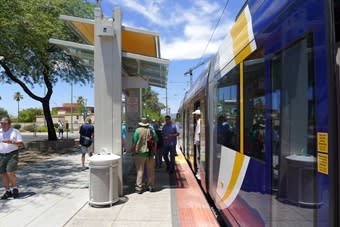
Tucson Streetcar - Phil Klinkon
Streetcar ridership generally peaked in the 1920s, with 11,000 to 17,000 miles of streetcar tracks in cities from coast to coast. Although beginning to decline by the 1930s in some cities, streetcars served an important function during WWII, when resources such as gas and rubber were rationed or directed to the war effort. As the cloud of conflict lifted, however, the nation was hungry for new beginnings and fascinated with modernism. Cars were futuristic and sophisticated, and streetcars were seen as antiquated. Large-scale production of buses offered more flexibility in routing with less infrastructure investment, and a more comfortable ride.
The rise of automobile and bus use, however, may have only hastened a disappearance that began years earlier when streetcar companies, virtually all privately owned and consolidated over the years into large single providers, struck deals with local jurisdictions that guaranteed transportation exclusivity, but fixed fares with no provision for increase. This left the financial burden of maintaining the roadways on which they ran to the owners, to the streetcar’s ultimate detriment.
By the mid-1950s, with the exception of a handful of "heritage" lines, streetcars had disappeared from almost all of the nation’s largest cities.
Future of the Streetcar
Modern streetcars are just one part of a city’s larger transportation system — a system that may include light rail, commuter rail, buses, and bike-share and car-share programs — and the optimal mix of modes will be different in each city to meet specific transit needs.
The streetcar is not only about economic development of an area or providing a different form of transportation; it’s an investment in community revitalization — rebranding the entire city as a place that prioritizes experimentation, quality of life and sense of place. The resurgence of the streetcar signals that cities are taking a big-picture view, investing in themselves and in a complex layering of systems that together define quality of life: moving people and enhancing the experience of moving.
Over the next several months, we’ll dive further into how streetcars are meeting the needs of modern cities, how the streetcar has evolved technologically (including sustainability best practices), and what the future has in store for streetcars from an urban design and development perspective.
This article is co-authored by Rhonda Bell an Urban Design and Landscape Architecture Senior Associate with RNL and Phil Klinkon, AIA, NCARB Pacific Region Transit Director at RNL (www.rnldesign.com).
Subscribe to Our Newsletter
More Blog Posts
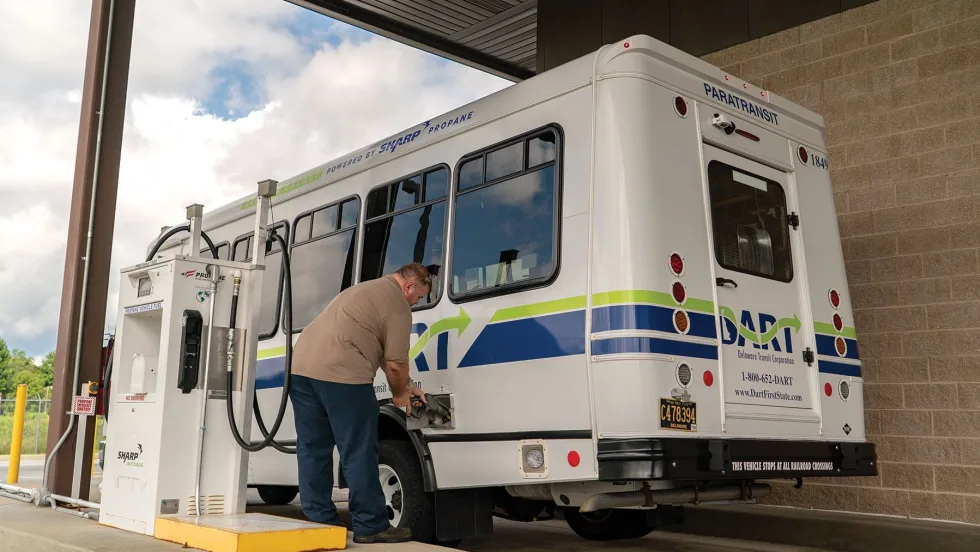
Building a Winning FTA Grant Proposal: Why Propane Autogas is the Pragmatic Choice for Fleet Resilience
With $610 million available through the FY 2026 Buses and Bus Facilities Competitive Program and the Low or No Emission Grant Program, agencies must build a compelling case before the September 21 deadline that balances environmental compliance with operational feasibility.
Read More →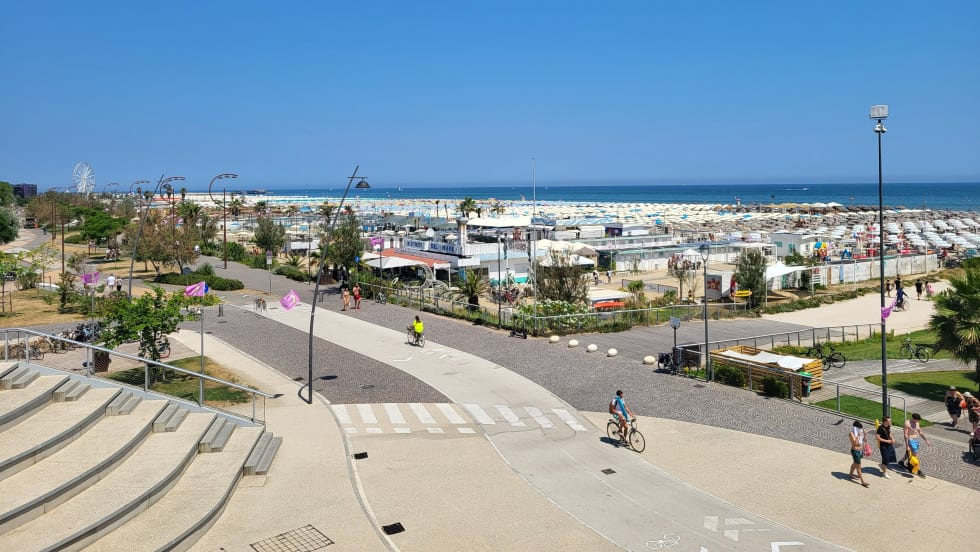
Velo-city Conference 2026: Latest Trends in Cycling as Part of Urban Mobility
The global cycling conference highlighted how cities are integrating bicycles into multimodal transportation networks, expanding cycle tourism and reshaping urban mobility.
Read More →
Kindness Isn’t Soft...It’s Strategic.
Mike Bismeyer — often known as “The Kindness Guy” — has spent more than 17 years in public transit and mobility, serving in industry leadership roles, speaking across North America, and advocating for stronger workplace cultures. But his message doesn’t come from theory. It comes from lived experience.
Read More →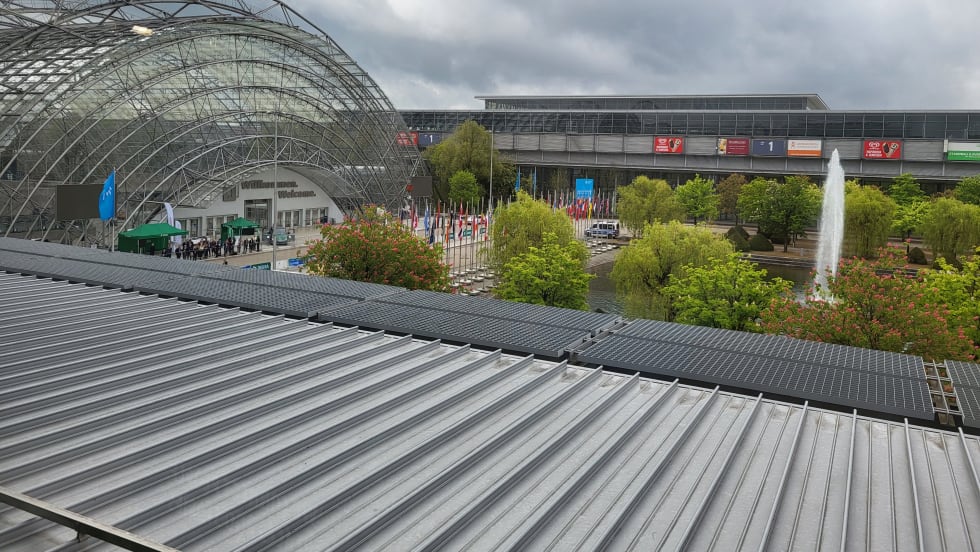
Inside ITF 2026: Transport Reacts to A Challenging World
Transport leaders from around the world gathered in Leipzig, Germany, for the 2026 International Transport Forum to discuss resilience, climate impacts, supply chains and the future of sustainable mobility.
Read More →
Every Ride Tells a Story — But You’re Not Just Selling the Ride
You’re selling the moment, the meaning, and the emotion behind it.
Read More →
How Digital Signage is Reshaping the Traveler Experience at Transportation Hubs
What was once a landscape of static signs has evolved into a responsive, immersive environment powered by real-time visual communication.
Read More →
Latest Trends in Urban Mobility from Polis Conference 2025
Polis comprises cities and regions, as well as corporate partners, from across Europe, promoting the development and implementation of sustainable mobility. This year’s event had over a thousand attendees across various policy forums and an exhibition.
Read More →
Why Transit Leaders Require Better Tools for Operational Clarity In Today’s Tech-Fragmented Environment
Across North America and beyond, transit agency officials are contending with a perfect storm of operational headaches and strategic challenges that hamper daily service and long-term progress.
Read More →
The Powerless Brokers: Why California Can’t Build Transit
It is no secret that transit in the U.S. is slow and expensive to build.
Read More →
Why Transport Sustainability Should Focus on People Instead of Cars
Simply incentivizing electrification is not enough to make a meaningful impact; we must shift our focus toward prioritizing public transportation and infrastructure.
Read More →