



Streetcars: The Flexible Rail Transit Mode
As an experienced designer of streetcar systems, one question I am frequently asked is, "Can a streetcar _____?" The blanks are usually filled with design challenges, such as "turn left from a curb lane", or "go under a low clearance underpass" or "operate at higher speeds and frequencies." More often than not, the answer is YES! Modern streetcar systems, such as those operating in Seattle, Tucson, and Atlanta, are modeled after European trams that are designed to fit within tight, complex, and built-out urban environments. The unique combination of vehicle's size coupled with the ability to operate in the same lanes as automobiles, trucks, and buses allow designers to create safe, efficient solutions to nearly every design challenge that arises.

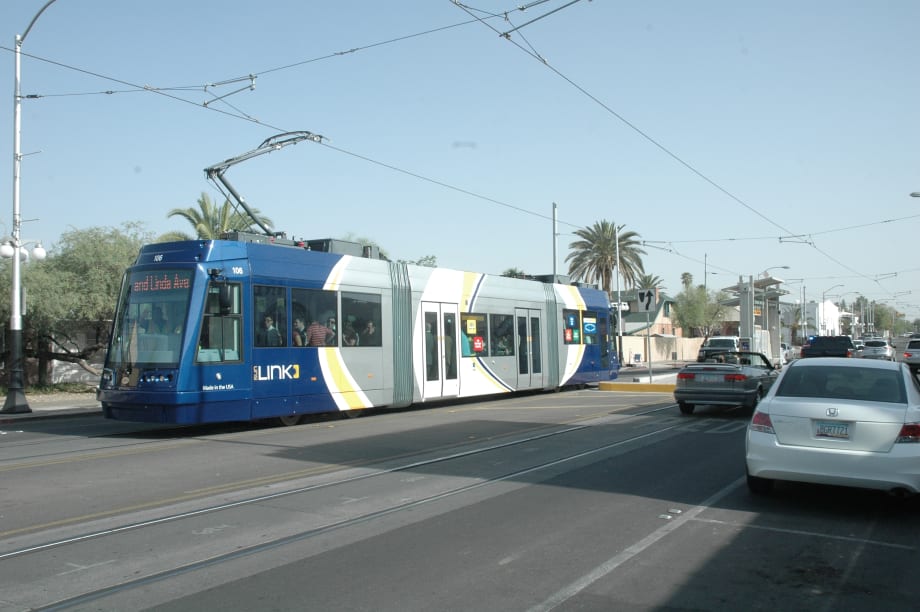
Tucson's Sun Link streetcar. Photo courtesy Terry Nash
Tucson's Sun Link streetcar. Photo courtesy Terry Nash
As an experienced designer of streetcar systems, one question I am frequently asked is, "Can a streetcar _____?" The blanks are usually filled with design challenges, such as "turn left from a curb lane", or "go under a low clearance underpass" or "operate at higher speeds and frequencies." More often than not, the answer is YES! Modern streetcar systems, such as those operating in Seattle, Tucson, and Atlanta, are modeled after European trams that are designed to fit within tight, complex, and built-out urban environments. The unique combination of vehicle's size coupled with the ability to operate in the same lanes as automobiles, trucks, and buses allow designers to create safe, efficient solutions to nearly every design challenge that arises.
RELATED:Dallas' modern streetcar makes its debut
Every streetcar system in design, construction, or operation today has faced a number of design challenges. Seattle is constructing a second line that operates on streets that have overhead trolley bus wires. Portland found creative solutions for accommodating bicycles safely alongside stations. Tucson had to traverse a low-clearance underpass. Dallas had to find a way to construct a line across a historic viaduct without adding overhead contact wire support poles. Salt Lake City was faced with a narrow right of way that prevented a double track mainline. All of these challenges were overcome with the goal of creating a cost-efficient system that minimized negative impacts to the built environment. In each of these examples, the adaptability and technological advancement of streetcar design solved the challenge:
• Streetcar lines built in mixed traffic lanes must operate like other vehicles, stopping at red lights and yielding to other traffic when necessary. But in some instances, streetcars must travel across lanes to make safe turns according to the route. This can be safely accommodated by detecting the streetcar separately at traffic signals.
• By being 'fixed' to the rails, streetcars have a defined path of travel that can be easily delineated for clearances and safety. This allows drivers, pedestrians and bicyclists to see and understand exactly where the streetcar path lies.
• Streetcar manufacturers are promoting vehicles that can operate without the presence of an overhead contact wire (batteries, etc). This allows streetcar designers to plan routes through low clearance underpasses, around trolley bus or other sensitive overhead wires, and through segments where poles cannot be placed.
• Streetcar vehicles are derivatives of light rail vehicles. This means they feature level boarding at platforms and can operate at higher speeds, if provided the adequate track alignment to do so. Streetcars can switch between mixed traffic and exclusive guideways and adapt to the speeds and operating conditions of each with ease.
• Streetcars can operate in travel lanes along the curb, median, or in a separate trackway. Doors on both sides of streetcar vehicles allow stations to be placed on the left or right side of the tracks. This in turn allows designers to place tracks that minimize impacts to existing features, such as utility lines.
RELATED:(Photos) Tour Dubai's groundbreaking catenary-free tram system
As more and more streetcar systems are designed, constructed, and opened for revenue service, the library of examples becomes larger. I would encourage decision-makers to explore these systems. You will likely find a similar, if not exact, example of a creative solution to these intimidating design challenges!
RELATED:(Photos) Streetcars from around the world
About the author
Terry Nash is an associate VP in HNTB’s Santa Ana office. He has eighteen years of experience in rail transit projects, with an emphasis on streetcar and light rail in urban environments. He has led a variety of planning, design, and management roles on projects around the country, such as Tucson SunLink Streetcar, Valley Metro Rail in Phoenix and Tacoma Link in Seattle.
More Blog Posts
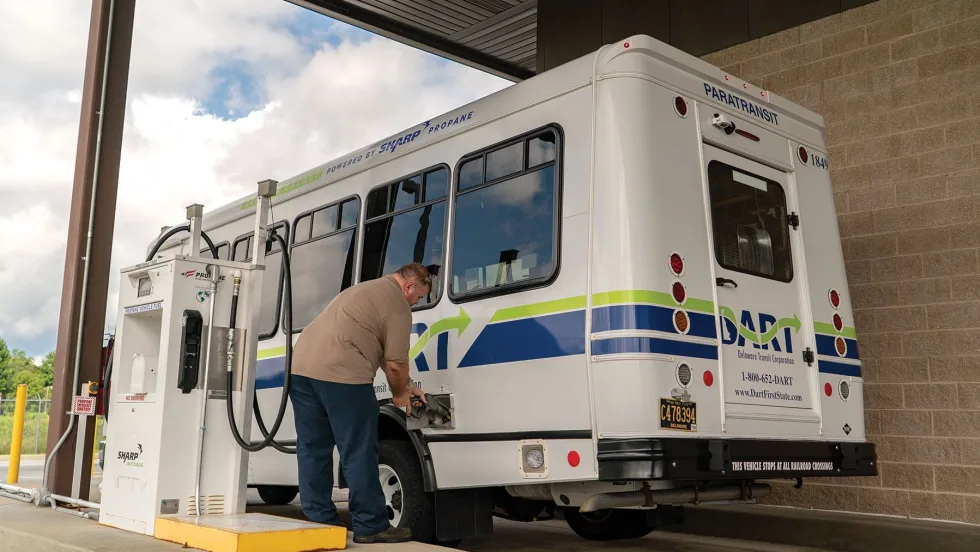
Building a Winning FTA Grant Proposal: Why Propane Autogas is the Pragmatic Choice for Fleet Resilience
With $610 million available through the FY 2026 Buses and Bus Facilities Competitive Program and the Low or No Emission Grant Program, agencies must build a compelling case before the September 21 deadline that balances environmental compliance with operational feasibility.
Read More →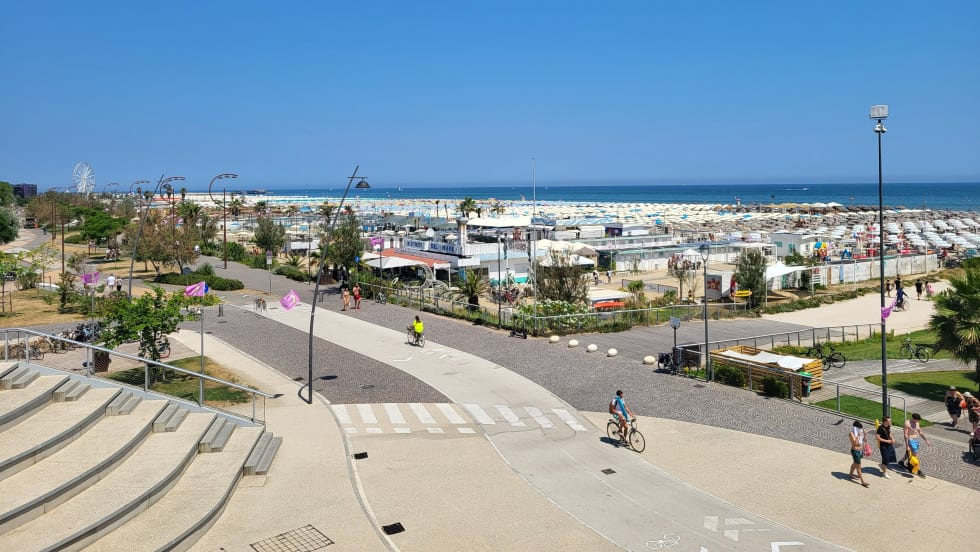
Velo-city Conference 2026: Latest Trends in Cycling as Part of Urban Mobility
The global cycling conference highlighted how cities are integrating bicycles into multimodal transportation networks, expanding cycle tourism and reshaping urban mobility.
Read More →
Kindness Isn’t Soft...It’s Strategic.
Mike Bismeyer — often known as “The Kindness Guy” — has spent more than 17 years in public transit and mobility, serving in industry leadership roles, speaking across North America, and advocating for stronger workplace cultures. But his message doesn’t come from theory. It comes from lived experience.
Read More →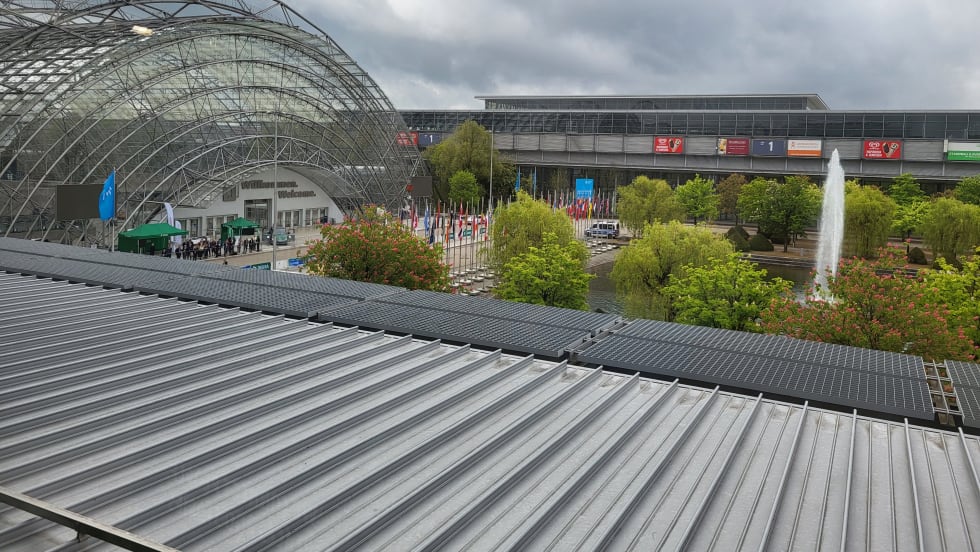
Inside ITF 2026: Transport Reacts to A Challenging World
Transport leaders from around the world gathered in Leipzig, Germany, for the 2026 International Transport Forum to discuss resilience, climate impacts, supply chains and the future of sustainable mobility.
Read More →
Every Ride Tells a Story — But You’re Not Just Selling the Ride
You’re selling the moment, the meaning, and the emotion behind it.
Read More →
How Digital Signage is Reshaping the Traveler Experience at Transportation Hubs
What was once a landscape of static signs has evolved into a responsive, immersive environment powered by real-time visual communication.
Read More →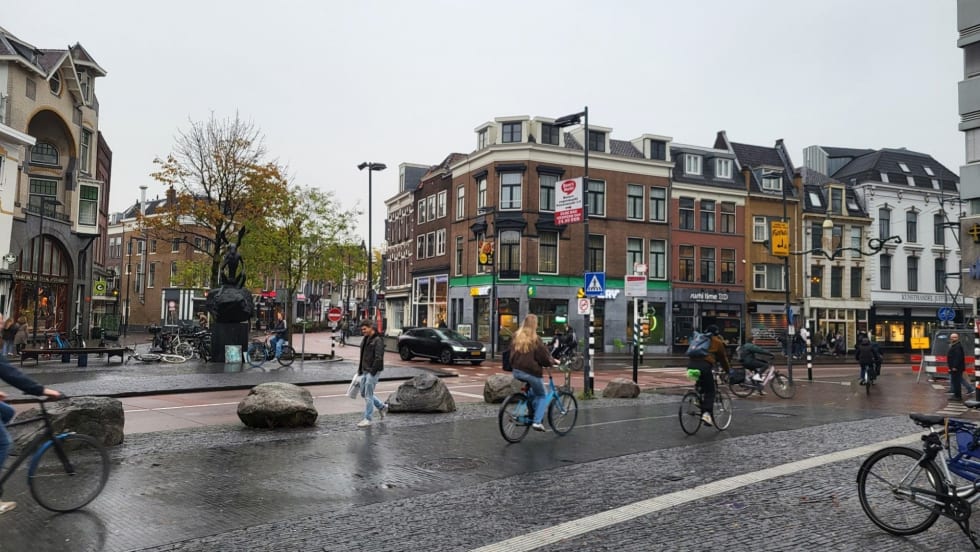
Latest Trends in Urban Mobility from Polis Conference 2025
Polis comprises cities and regions, as well as corporate partners, from across Europe, promoting the development and implementation of sustainable mobility. This year’s event had over a thousand attendees across various policy forums and an exhibition.
Read More →
Why Transit Leaders Require Better Tools for Operational Clarity In Today’s Tech-Fragmented Environment
Across North America and beyond, transit agency officials are contending with a perfect storm of operational headaches and strategic challenges that hamper daily service and long-term progress.
Read More →
The Powerless Brokers: Why California Can’t Build Transit
It is no secret that transit in the U.S. is slow and expensive to build.
Read More →
Why Transport Sustainability Should Focus on People Instead of Cars
Simply incentivizing electrification is not enough to make a meaningful impact; we must shift our focus toward prioritizing public transportation and infrastructure.
Read More →