
Metro Magazine

 MENU
MENU SEARCHMENUSEARCH
Loading data...
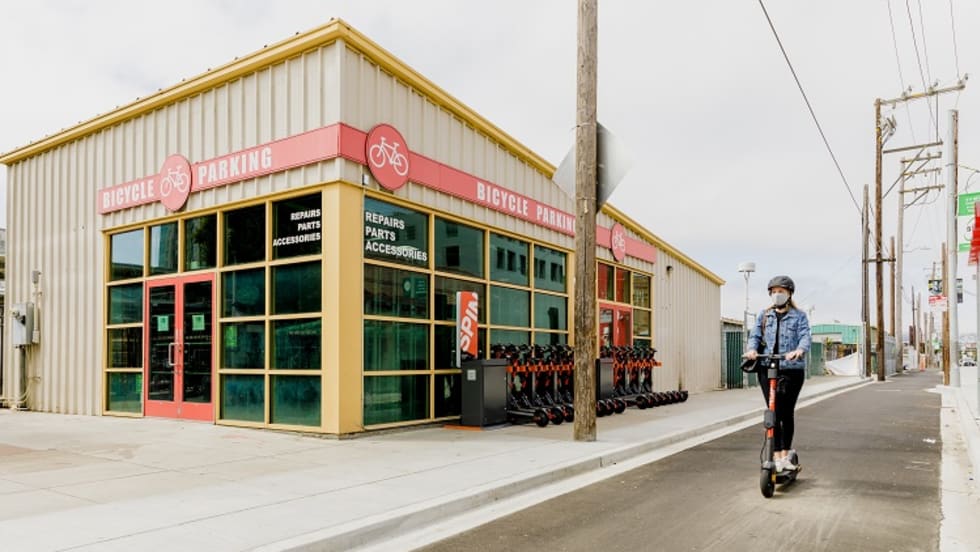
Despite the headlines of the mass layoffs and consolidation, COVID-19 didn’t destroy micromobility. In fact, if the history of the internet is a guide, the third wave will be larger than ever.
Read More →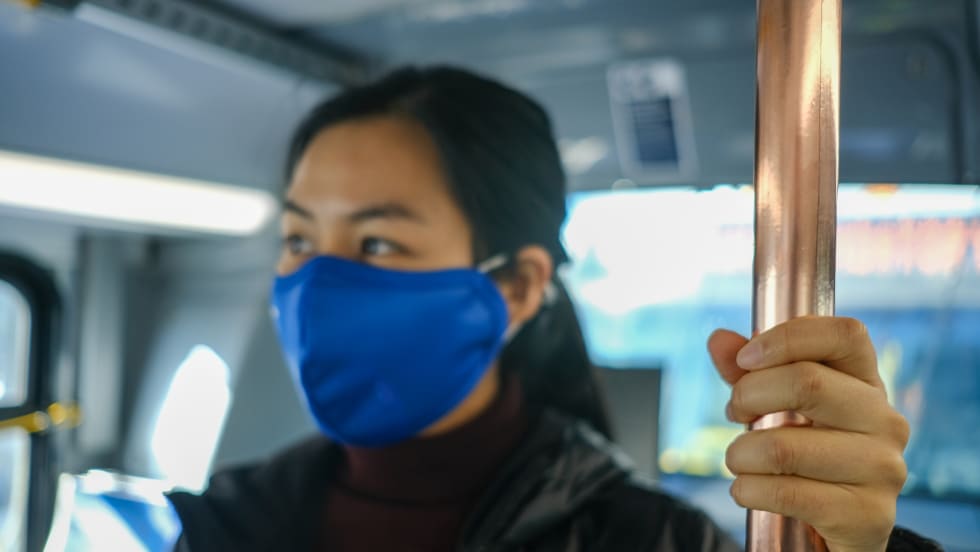





The project is part of a study that will see various copper-based products and a protective coating called organosilane installed on SkyTrain and buses to test how effective these agents are at destroying viruses and bacteria on transit.
Read More →COVID-19 has wreaked havoc on entire industries, and the transportation industry has been no exception. For the first time in its 115-year history, New York City’s subways stopped running in a planned shutdown that’s still affecting the city’s residents today.
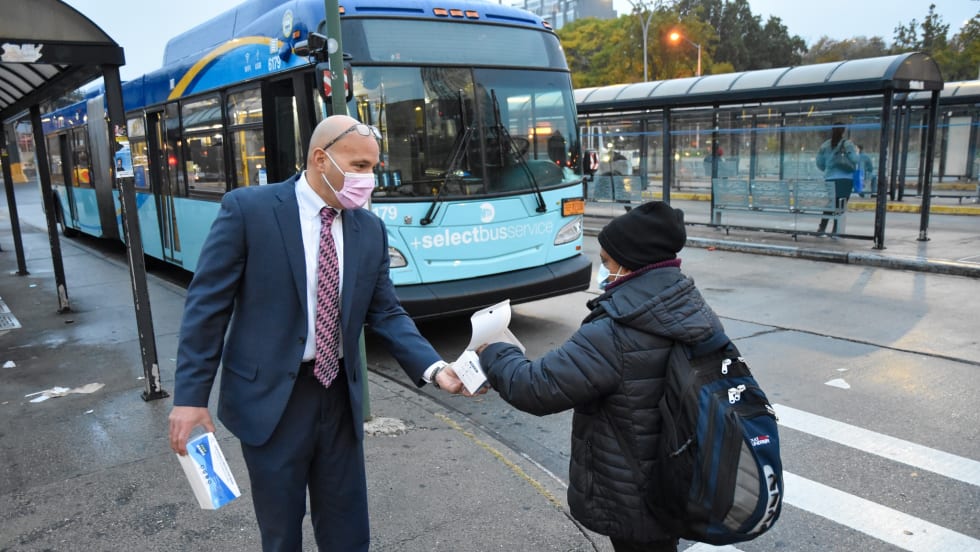
Read More →Since the onset of the pandemic, the personal protective equipment distributed to heroic MTA frontline employees includes 4.9 million N95 and KN95 masks, 4.8 million surgical masks, and 600,000 cloth masks.
Read More →With city and state budgets radically reduced and questionable hope for federal or state stimulus funding, some are forecasting the end of the transit era.
Read More →The president and CEO of the association issued a statement calling for Congress to take action after returning from recess next week.
Read More →Also, pre-owned coach sales were down 150 vehicles and new new coach sales were down 294 units, combining for a total 444 less units sold in the second quarter compared to the first quarter of 2020.
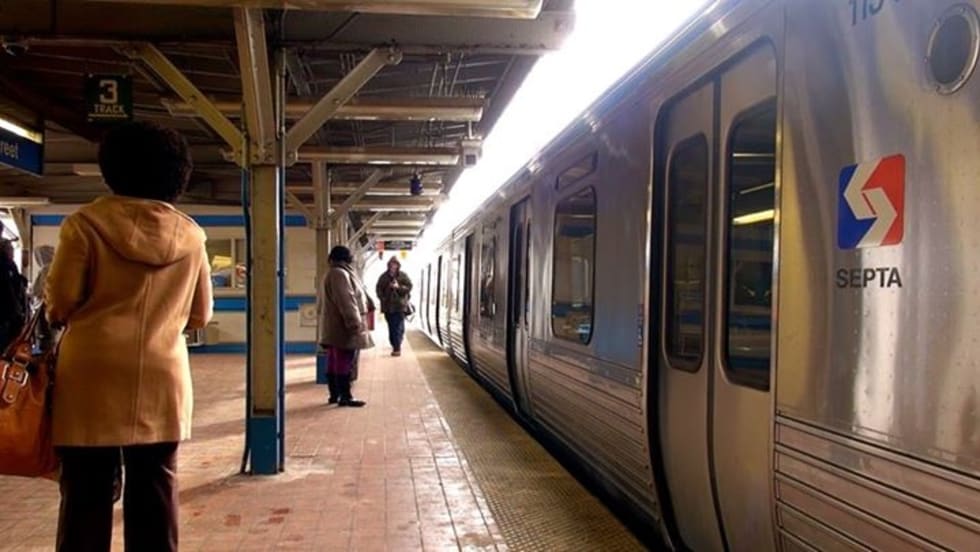
Read More →The SEPTA Disaster Relief Memorial Fund was launched in large part due to feedback from employees who wanted a way to help the spouses, children, and other loved ones of co-workers who have died or were severely ill.
Read More →TRIPS integrates data and technologies for each point of the passenger’s journey — from helping individuals decide when and how to travel, to informing transit operators when stations or vehicles are nearing capacity.
Read More →The new module works with existing passenger identification scanning systems to identify and alert transit operators which passengers may have been exposed to an infected fellow rider.
Read More →