



Why Taxis Still Matter in Today’s Transportation Landscape
COVID-19 has wreaked havoc on entire industries, and the transportation industry has been no exception. For the first time in its 115-year history, New York City’s subways stopped running in a planned shutdown that’s still affecting the city’s residents today.

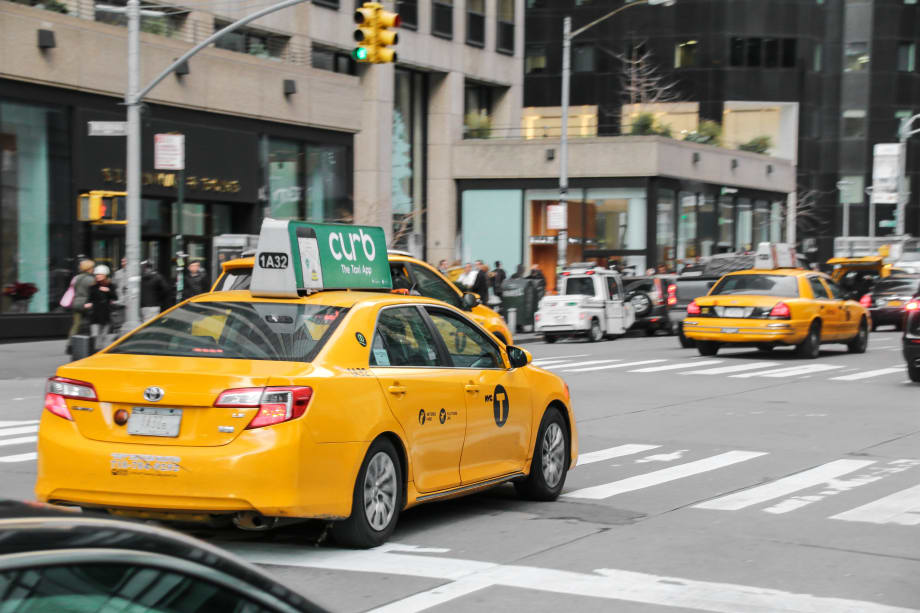
In New York City, taxi operators have worked with some of the city’s biggest healthcare organizations to provide tens of thousands of rides for essential workers to and from the frontlines of the health crisis.
Curb
COVID-19 has wreaked havoc on entire industries, and the transportation industry has been no exception. For the first time in its 115-year history, New York City’s subways stopped running in a planned shutdown that’s still affecting the city’s residents today. Buses are operating on reduced schedules, public transit capacity limits have been put in place, and mandatory mask-wearing is being practiced around the world.
Ridesharing services have experienced dwindling numbers during the pandemic. Uber said its gross bookings on rides were down 75% through June, and Lyft saw its April ridership down 75% from April 2019.
Like Uber and Lyft, taxi numbers have also been down. In June, taxi ridership in New York City was down by as much as 92%. But now, as commuters return to work and city residents travel more often, they’re depending on taxis to get them where they need to go once again — especially as the fate of ridesharing apps hangs in the balance in cities like Los Angeles, where they face increased regulatory scrutiny.
In an ever-changing transportation landscape — even one upended by a pandemic — taxis still play a vital role in transporting riders safely, efficiently, and easily to and from their destinations.
Providing safe, efficient mode of transportation by design
For people who don’t own their own cars but want to avoid crowded subways and buses, using a ridesharing service or taxi has been a preferred option during COVID-19. However, unlike ridesharing services in most jurisdictions, taxi drivers are by definition subject to local regulations that have been put in place to protect both them and the riding public. Their vehicles, licenses, and services are evaluated on a regular basis, and due to the pandemic, those regulations are even tighter than usual.
For example, the New York City Taxi and Limousine Commission outlined strict guidelines at the onset of the pandemic, which included requiring drivers to regularly clean and disinfect their vehicles, maintain a six-foot distance with customers, and wear a face covering. At Curb, we’ve partnered with fleet operators and owners to provide safety kits with hand sanitizer, masks, gloves, and other resources to help drivers keep their vehicles safely operating.
While ridesharing vehicles must follow similar sanitation guidelines in New York City, most taxis have something ridesharing vehicles often do not: a partition. A vast majority of yellow and green taxis are equipped with a permanent physical partition to serve as a physical barrier between the driver and passenger. This has been especially comforting for riders, as well as businesses looking to provide safe transportation options for their employees.
Taxis have the capacity to keep cities moving — even during a crisis
With subway and bus schedules often operating at reduced schedules and capacity — especially at night — taxis have been a safe and reliable option for essential workers in cities where car ownership is less common.
In New York City, taxi operators have worked with some of the city’s biggest healthcare organizations to provide tens of thousands of rides for essential workers to and from the frontlines of the health crisis. Taxis have also been hired to deliver meals to residents in need through the city’s GetFoodNYC Food Delivery Program, with cities including Los Angeles and Boston following suit.
Now, several months after the pandemic first hit the U.S., people are beginning to travel once again — as Curb and Curb drivers have experienced firsthand:
Since April, average weekly Curb-connected e-hails have more than tripled.
Today, there are twice as many Curb-connected taxis on the road as April.
Though the pandemic has negatively impacted the taxi industry in several ways, the silver lining is that more people are discovering that taxis are not only a viable transportation option, but in many cases, a safer, more efficient alternative.
Taxis play an important role in cities’ transportation infrastructures
While taxis have been a valuable asset during the pandemic, they have long been a trusted partner in cities.
One of the main reasons is that the industry is regulated, making it an ideal conduit for providing transportation services for not only the general riding public, but also public and private organizations. Taxi fleets and providers also share their data with transit agencies and regulators to help optimize the crowded streets shared by public and private vehicles, bikes, and pedestrians alike. In this way, taxis themselves are often considered an inextricable part of a city’s “public” transportation infrastructure.
Earlier this year, the City of Chicago Department of Business Affairs and Consumer Protection started using Curb’s Platform as a Service (PaaS) offering to manage wheelchair accessible taxi service for the city — connecting all Wheelchair Accessible Vehicle taxis into a centralized platform, making it easier for residents who depend on wheelchair-accessible transportation to book taxis. Cities across the world offer similar programs for passengers with disabilities via licensed taxis. With the wind at the back of innovative public-private partnerships in a variety of industries and areas, this trend will only pick up steam as we head into 2021 and beyond.
Another reason taxis have continued to play a part in our cities is that the industry is subject to the laws of market competition. Vehicle caps, regular inspections, and other rules are put in place to ensure fair wages for drivers and long-term sustainability. However, with the influx of ridesharing vehicles across the country, cities are rethinking their current taxi models and making plans to revamp the way riders hail taxis.
For example, Los Angeles announced that it would overhaul the city’s taxi system in 2020 through a series of initiatives meant to make the industry more flexible, cost effective, and transparent with passengers. Like New York City and Boston, Los Angeles recently voted to allow “upfront pricing” for taxi trips, providing passengers with transparency about the cost of their trip prior to it starting. They have even one-upped their peers by approving the use of time and distance-based upfront pricing for rides hailed on the street.
Also under consideration is a regulatory framework designed to bring all taxis online in a centralized platform to maximize the availability of cabs to riders from the totality of taxi supply. As it stands, they are currently considering approving one or more third-party apps to offer such a centralized platform to riders and passengers alike, mixing competition between private companies under a thoughtful and flexible regulatory scheme. The first piece of Los Angeles’ new taxi system, an online portal for taxi and for-hire service providers to do all the permitting and background check processes remotely, is already live.
Taxis are staying competitive through technology
While making taxis more easily accessible through a centralized approach is one piece of the puzzle in ensuring taxis have a play in the modern world, improving the rider and driver experience overall is important as well. Ridesharing apps offer a layer of transparency to both drivers and passengers that was not previously available in taxis. However, with improved technology — combined with a human approach — taxis can compete with ridesharing apps in both convenience and ease of use. Some of these features and technologies include upfront pricing rather than traditional metered taxi fares and driver companion apps that offer insights, heat maps, and consumer-grade customer service.
For more than 100 years, taxis have been a part of our society’s transportation fabric. The many things that taxis bring to our economy — safe and sustainable transportation options for our cities’ most vulnerable residents — will be lost if the taxi industry goes away.
However, by continuing to provide a safe, reliable form of transportation for millions of riders while adapting to the rapidly changing transportation, I believe taxis can continue to play an integral role in transporting riders to and from their destinations for decades to come.
Jason Gross is VP, Mobile, at Curb
More Blog Posts
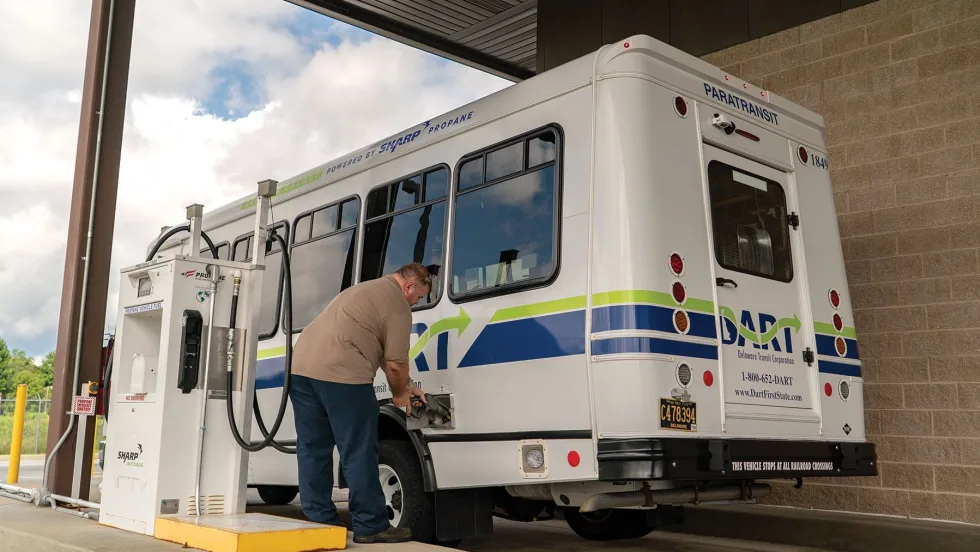
Building a Winning FTA Grant Proposal: Why Propane Autogas is the Pragmatic Choice for Fleet Resilience
With $610 million available through the FY 2026 Buses and Bus Facilities Competitive Program and the Low or No Emission Grant Program, agencies must build a compelling case before the September 21 deadline that balances environmental compliance with operational feasibility.
Read More →
Velo-city Conference 2026: Latest Trends in Cycling as Part of Urban Mobility
The global cycling conference highlighted how cities are integrating bicycles into multimodal transportation networks, expanding cycle tourism and reshaping urban mobility.
Read More →
Kindness Isn’t Soft...It’s Strategic.
Mike Bismeyer — often known as “The Kindness Guy” — has spent more than 17 years in public transit and mobility, serving in industry leadership roles, speaking across North America, and advocating for stronger workplace cultures. But his message doesn’t come from theory. It comes from lived experience.
Read More →
Inside ITF 2026: Transport Reacts to A Challenging World
Transport leaders from around the world gathered in Leipzig, Germany, for the 2026 International Transport Forum to discuss resilience, climate impacts, supply chains and the future of sustainable mobility.
Read More →
Every Ride Tells a Story — But You’re Not Just Selling the Ride
You’re selling the moment, the meaning, and the emotion behind it.
Read More →
How Digital Signage is Reshaping the Traveler Experience at Transportation Hubs
What was once a landscape of static signs has evolved into a responsive, immersive environment powered by real-time visual communication.
Read More →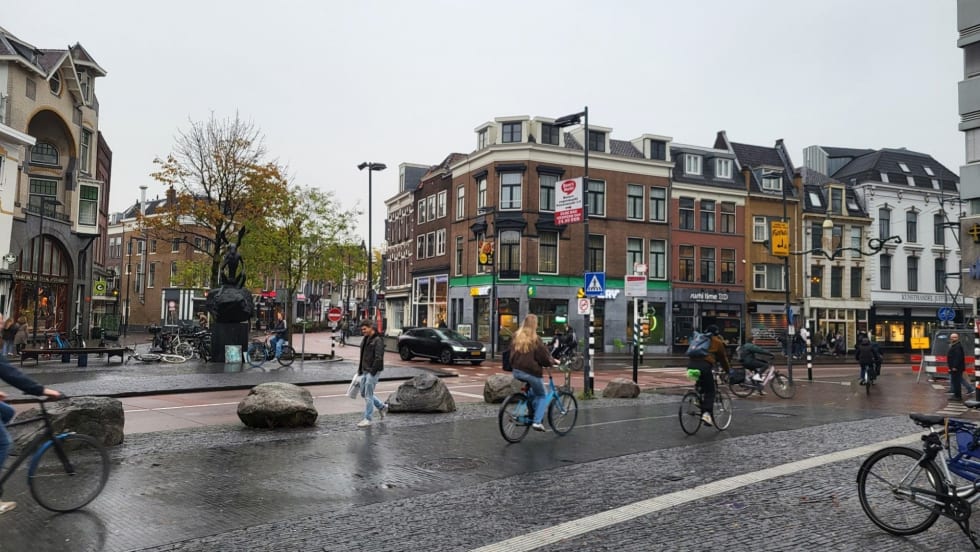
Latest Trends in Urban Mobility from Polis Conference 2025
Polis comprises cities and regions, as well as corporate partners, from across Europe, promoting the development and implementation of sustainable mobility. This year’s event had over a thousand attendees across various policy forums and an exhibition.
Read More →
Why Transit Leaders Require Better Tools for Operational Clarity In Today’s Tech-Fragmented Environment
Across North America and beyond, transit agency officials are contending with a perfect storm of operational headaches and strategic challenges that hamper daily service and long-term progress.
Read More →
The Powerless Brokers: Why California Can’t Build Transit
It is no secret that transit in the U.S. is slow and expensive to build.
Read More →
Why Transport Sustainability Should Focus on People Instead of Cars
Simply incentivizing electrification is not enough to make a meaningful impact; we must shift our focus toward prioritizing public transportation and infrastructure.
Read More →