
Metro Magazine

 MENU
 SEARCHMENUSEARCH
Loading data...
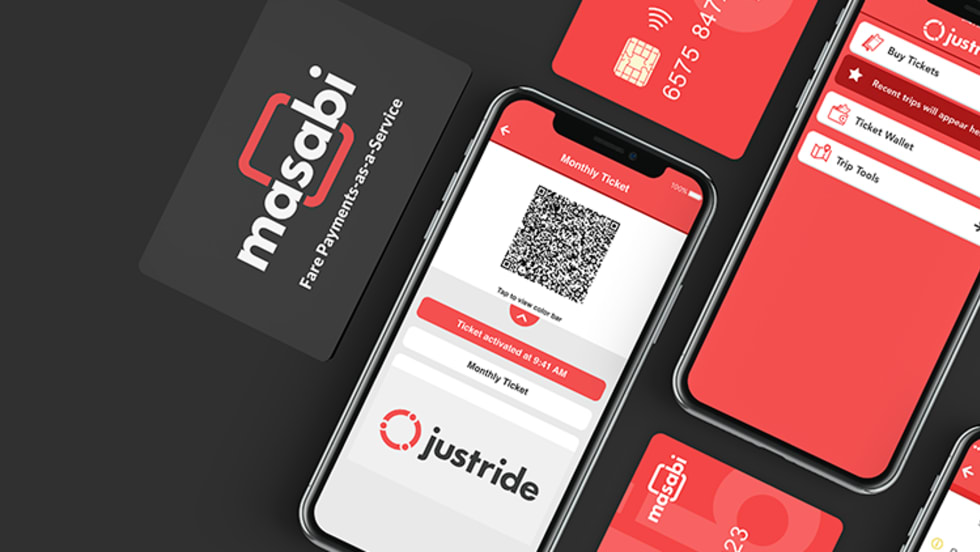
COVID-19 has made it clear that handling cash and touching equipment — like turnstiles or fare vending machines — to board, could make transit less attractive through the risk of infection.
Read More →


Other state cap-and-trade funding would expand the agency’s college pass program and help in testing electric buses.
Read More →The results portray a fascinating picture of global transit trends, comparing 2019 and 2020 — how people move around their cities, the impact of COVID-19 on public transportation use, and riders’ increased demand for mobile payment.
Read More →The labor market in the U.S. is experiencing unique circumstances born from the lingering effects of the COVID-19 pandemic. While white-collar workers are beginning to trim their workforce, there is still a significant shortage of blue-collar workers.
Read More →MTA's new digital booking features continue to improve the customer experience.
Read More →Violence against New York City bus and subway workers is up 29% since the start of the COVID-19 pandemic. In Los Angeles, assaults on bus and train drivers have risen 24% since 2021. And in Minneapolis, crime on public transportation is up 66% in the first quarter of 2023 alone.
Read More →President/CEO Paul P. Skoutelas discussed how the public transportation industry is coping with the COVID-19 pandemic and that additional aid will be needed now and for the future.
Read More →This study was completed prior to the COVID-19 pandemic, which resulted in temporary changes to the NCS schedule.
Read More →Since January 2021, CTA’s system-wide ridership has essentially doubled, with more than 21 million monthly and nearly 800,000 average weekday rides provided during the month of September.
Read More →To give borrowers more flexibility in repaying the loans, the Federal Reserve Board lowers the minimum loan amount, raises the maximum loan limit, adjusts the principal repayment schedule to begin after two years, and extends the term to five years.
Read More →