The labor market in the U.S. is experiencing unique circumstances born from the lingering effects of the COVID-19 pandemic. While white-collar workers are beginning to trim their workforce, there is still a significant shortage of blue-collar workers.
A study by the American Public Transit Association reveals some extremely worrying prospects, showing 92% of public transit agencies stated they were having difficulty hiring new employees — an issue significantly exacerbated in bus operations positions.
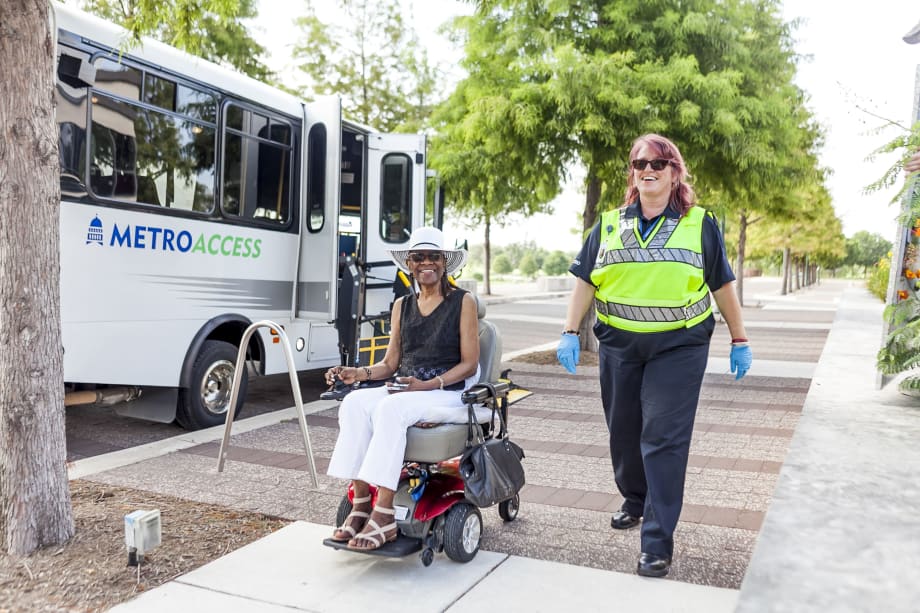
Photo: Brio Photography
4 min to read
The labor market in the U.S. is experiencing unique circumstances born from the lingering effects of the COVID-19 pandemic. While white-collar workers are beginning to trim their workforce, there is still a significant shortage of blue-collar workers.
During the height of the pandemic, stay-at-home orders caused many blue-collar workers to be furloughed or even laid off entirely as the demand for their services slowed down. This inspired many of these workers to seek employment in other industries, creating a massive shortage — especially as the demand in these industries is increasing in a post-“return-to-normal” world.
Ad Loading...
The U.S. Bureau of Labor Statistics estimates there will be more than 240,000 openings in urban transportation every year between now and 2030.
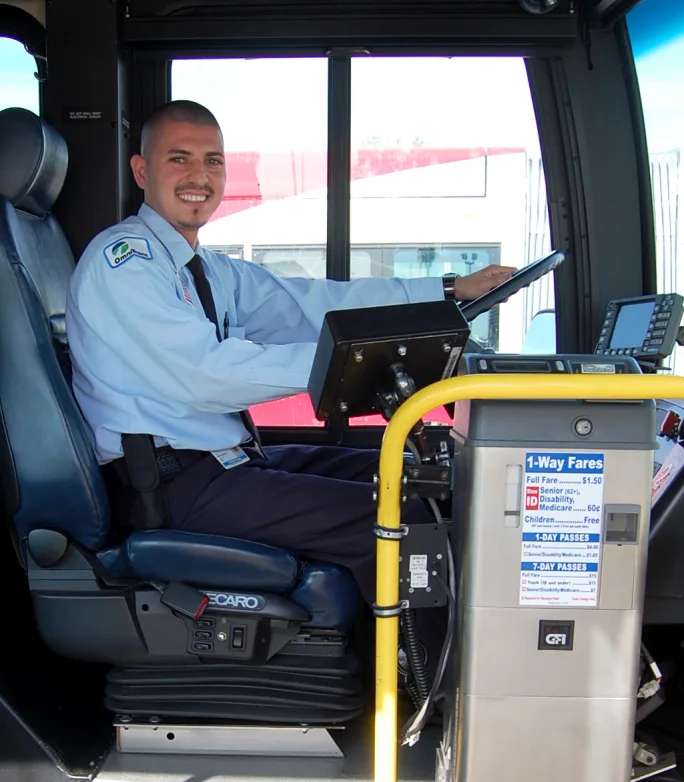
Photo: Omnitrans
The Labor Shortage in Blue-Collar Industries
Certain characteristics inherent in these blue-collar industries have created this shortage. For example, it’s well-known that less stable, lower-paying industries, which tend to be blue-collar, tend to also have higher quit rates than their more stable, higher-paying counterparts.
Taking the public transportation industry as an example, the U.S. Bureau of Labor Statistics estimates there will be more than 240,000 openings in urban transportation every year between now and 2030.
The shortages these essential sectors face could have profoundly negative effects on our society.
A study by the American Public Transit Association reveals some extremely worrying prospects, showing 92% of public transit agencies stated they were having difficulty hiring new employees — an issue significantly exacerbated in bus operations positions. Additionally, 71% of agencies said they had to cut or delay services because of worker shortages. These statistics reveal the drastic and urgent need for a solution to this staffing crisis.
As one would expect, technology is profoundly changing blue-collar industries. Several enterprises and industries have found a way to automate some of the more labor-intensive processes. While some have feared that this will lead to their positions becoming obsolete, others have hailed automation’s potential to increase the productivity and efficiency of these operations significantly.
Ad Loading...
However, blue-collar industries are seeing technology transform their sector in unexpected ways.
The integration of powerful, innovative technologies in blue-collar staffing promises benefits for job seekers and employers alike. These technologies strive not just to fill these positions, but to do so with workers who are qualified and likely to stay with the organization, ensuring that their labor needs are addressed in the long run — not just patched up with a temporary fix.
AI-driven training programs can help skill development by using algorithms to personalize content according to individual learning styles, progress, and specific skill gaps.
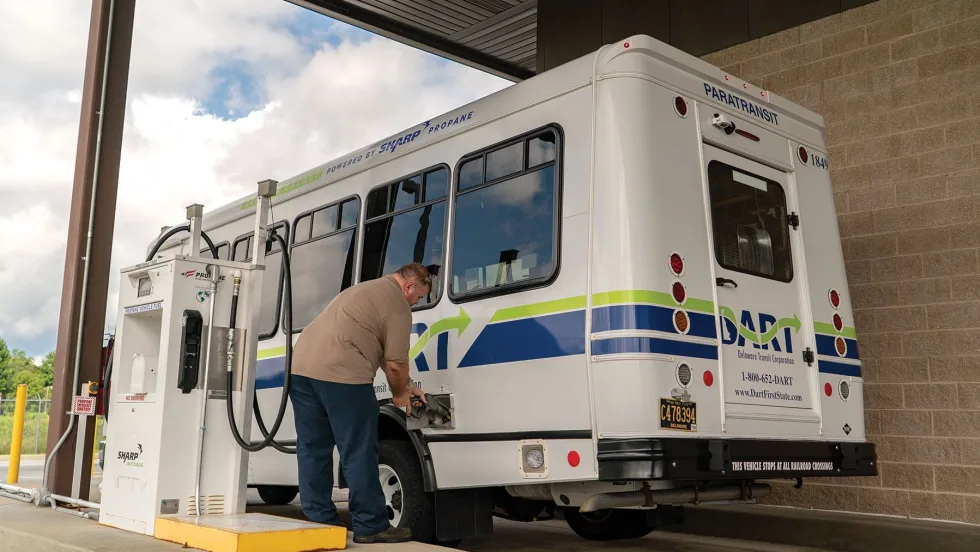
Photo: Alex Roman/METRO
Technologies Changing Blue-Collar Industries for the Better
One of the main technological advances that is poised to revolutionize the blue-collar staffing industry is automated matching.
Using technology like algorithms and machine learning, these programs match job seekers with relevant job opportunities based on their skills, experience, and qualifications. Automated systems compare the qualifications listed on a candidate’s profile against those the employer has listed as required for the role. Thanks to these advances, the recruiting process can be streamlined significantly, helping job seekers and employers save time while ensuring workers are placed in positions with which their skills align.
Scheduling apps are also a tool that has come to influence blue-collar staffing. In many blue-collar industries, leaders manage dozens, hundreds, or even thousands of workers across various jobs and locations, and managing these schedules can be complex.
Ad Loading...
Software can automate the scheduling process and optimize schedules, considering factors such as employee availability, required skills for specific tasks, and compliance with labor regulations. This process helps improve efficiency, increase productivity, and reduce downtime by ensuring that the right workers are available at the right time.
Moreover, artificial intelligence (AI) is coming to play a vital role in the blue-collar staffing industry. Especially given the shortage of skilled workers that plagues the industry, it may be necessary to recruit less skilled workers and fill the gaps.
AI-driven training programs can help skill development by using algorithms to personalize content according to individual learning styles, progress, and specific skill gaps. This level of customization can accelerate skill development and ensure workforce competency.
Finally, many employers in blue-collar sectors are beginning to integrate mobile platforms into their onboarding and management processes, allowing them to simplify and streamline communication.
For example, a mobile application can enable employees to complete necessary paperwork, training modules, and compliance requirements directly from their smartphones. Some mobile apps also serve as a “communication hub” for the organization, providing a centralized space for real-time updates, announcements, and information sharing. Because of the generally dispersed nature of the blue-collar workforce, traditional methods of communication may not be practical, making mobile technology a powerful alternative.
Ad Loading...
Indeed, technology seems to be the solution to many of the issues blue-collar industries face concerning their ongoing labor shortage. Blue-collar employers can use tools like automated candidate matching, scheduling apps, AI-powered training, and mobile communication platforms to fill their open positions with skilled, loyal workers. These innovative solutions could resolve the dire shortage of workers in the public transportation sector and beyond.
With $610 million available through the FY 2026 Buses and Bus Facilities Competitive Program and the Low or No Emission Grant Program, agencies must build a compelling case before the September 21 deadline that balances environmental compliance with operational feasibility.
The global cycling conference highlighted how cities are integrating bicycles into multimodal transportation networks, expanding cycle tourism and reshaping urban mobility.
Mike Bismeyer — often known as “The Kindness Guy” — has spent more than 17 years in public transit and mobility, serving in industry leadership roles, speaking across North America, and advocating for stronger workplace cultures. But his message doesn’t come from theory. It comes from lived experience.
Transport leaders from around the world gathered in Leipzig, Germany, for the 2026 International Transport Forum to discuss resilience, climate impacts, supply chains and the future of sustainable mobility.
Polis comprises cities and regions, as well as corporate partners, from across Europe, promoting the development and implementation of sustainable mobility. This year’s event had over a thousand attendees across various policy forums and an exhibition.
Across North America and beyond, transit agency officials are contending with a perfect storm of operational headaches and strategic challenges that hamper daily service and long-term progress.
Simply incentivizing electrification is not enough to make a meaningful impact; we must shift our focus toward prioritizing public transportation and infrastructure.