



CTA Ridership Continues to Grow in 2021
Since January 2021, CTA’s system-wide ridership has essentially doubled, with more than 21 million monthly and nearly 800,000 average weekday rides provided during the month of September.
In January 2021, CTA averaged a little more than 400,000 rides on weekdays and around 10.8 million rides for the month.
Photo: CTA
Chicago Transit Authority (CTA) announced its ridership continues to increase in 2021, reaching the highest levels since the before the start of the COVID-19 pandemic, according to the company's press release.
“The fall season is typically our highest ridership period for the year, and in 2021, that tradition has resumed,” said CTA president Dorval R. Carter, Jr. “CTA daily ridership has consistently been at or above 50 percent of pre-pandemic levels — one of the strongest among large U.S. transit agencies. As our customers evolve and adapt to the realities of their new schedules and routines, so too will the CTA, but what will remain unchanged is our commitment to provide, affordable, reliable transit service.”
In January 2021, CTA averaged a little more than 400,000 rides on weekdays and around 10.8 million rides for the month. Since then, CTA’s system-wide ridership has essentially doubled, with more than 21 million monthly and nearly 800,000 average weekday rides provided during the month of September.
CTA's ridership surpassed 800,000 five times in September, reaching a peak of 846,000 riders on Sept. 17, during the Riot Fest music festival in Douglas Park.
Rail ridership to and from the Loop has nearly tripled since the start of 2021 with more than 29,300 average weekday rides provided in September. This is an increase from an average of 9,800 on weekdays in January 2021.
CTA cites a number of factors behind these changes in CTA ridership, including the extension of the “More Fun, Less Fare” promotional discount on CTA’s unlimited ride passes.
The pass promotion, introduced Memorial Day weekend and later extended through Nov. 25, helped drive ridership, adding more than 10 million rides during the summer months.
The CTA said it is looking to permanently reduce the price on all of its unlimited-ride passes and eliminate the $0.25 transfer fee as part of its proposed FY2022 budget.
Average weekend ridership (Saturday/Sunday/Holidays) is at 60%-65% of pre-COVID levels.
More Management
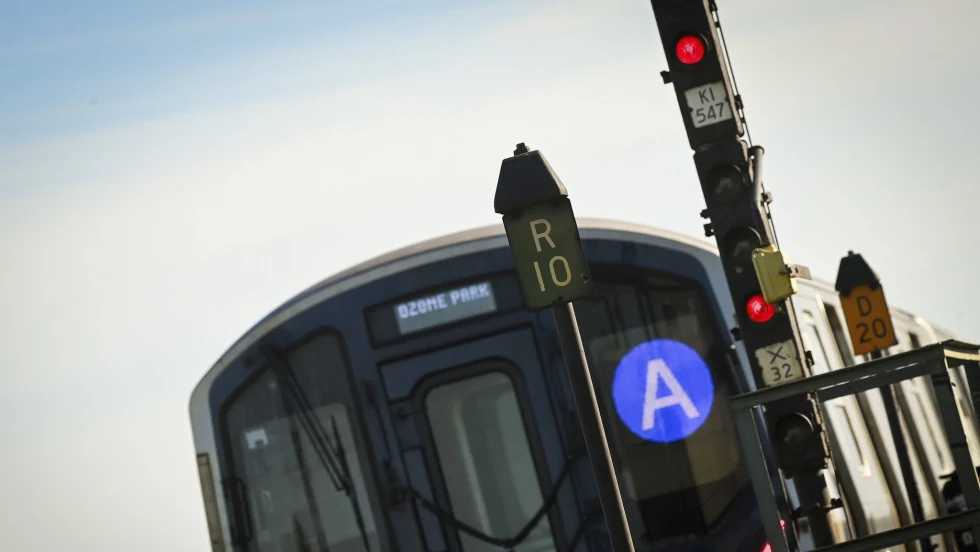
New York MTA Launches Historic $1.9B Signal, Track Modernization Project
Funded in part by congestion pricing revenue, the project will replace nearly century-old signals along the A and C lines in Brooklyn and Queens.
Read More →
Brian Dickson on Building Stronger, More Resilient Transportation Organizations
Bus Business Consultants Founder Brian Dickson discusses the leadership principles, operational discipline, and strategic planning that separate transportation companies positioned for long-term success from those stuck in survival mode.
Read More →
LA Metro Breaks Ground on Vermont BRT Project
The 12.4-mile corridor is projected to serve 66,200 daily riders, reduce travel times by up to 24%, and create the nation's busiest bus rapid transit corridor.
Read More →
Building Stronger Leaders, More Resilient Transit Teams
Dr. Carol Parker Walsh discusses leadership development, employee retention, workplace culture, and preparing transit’s workforce for AI and automation.
Read More →
Roman Cornell on ABC Companies’ Evolution and the Future of Passenger Transportation
The company’s CEO discusses carrying forward a third-generation family legacy, ABC’s continued evolution in passenger transportation, support for increasingly complex fleets, and how technology and continued investment could help operators improve uptime.
Read More →
CATS Launches West Charlotte Microtransit Zone, Expands Transit Services
The new microtransit zone connects residents to key destinations as Charlotte Area Transit System rolls out the first phase of its 2055 Transit System Plan.
Read More →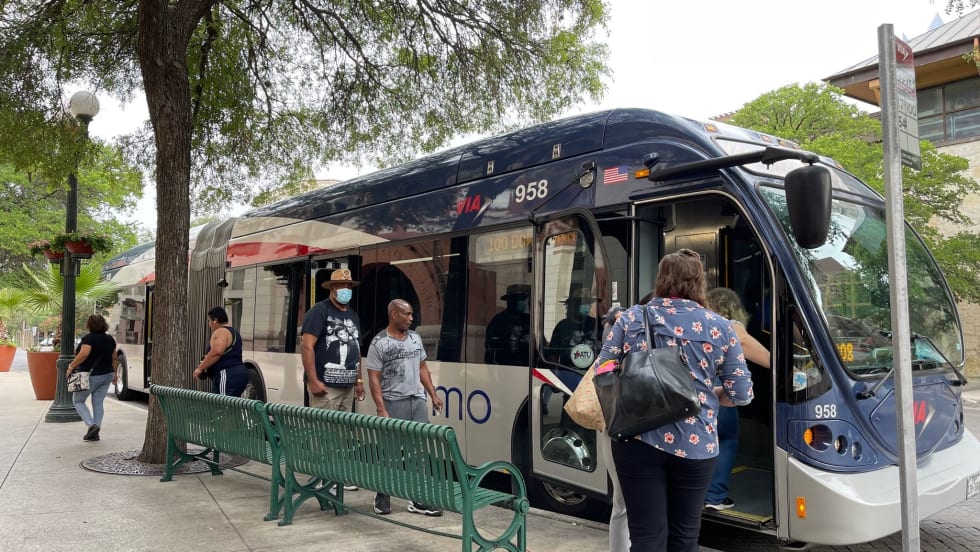
VIA Bus Ridership Grows 10.1% Through August 2026
San Antonio's VIA Metropolitan Transit reported the highest bus ridership growth among major Texas transit systems. Federal Transit Administration data ranked it second among the nation's 50 largest transit systems.
Read More →
CSA Group Releases Climate Resilience Standard for Transit, Passenger Rail
Developed with support from the Standards Council of Canada, CSA D700 guides assessing climate-related risks and planning adaptation measures for transit and passenger rail systems.
Read More →
ETA CEO John Maglio on Transit Technology, Innovation, and Building Agency Trust
ETA founder and CEO John Maglio explores the evolution of transit technology, the importance of reliable systems, and how stronger partnerships can help agencies improve operations and the passenger experience.
Read More →
COTA Launches First Customer Experience Action Plan to Improve Transit Service
The new plan outlines improvements to service reliability, accessibility, communication, and the overall rider experience across Central Ohio's transit system.
Read More →