
Metro Magazine

 MENU
 SEARCHMENUSEARCH
Loading data...
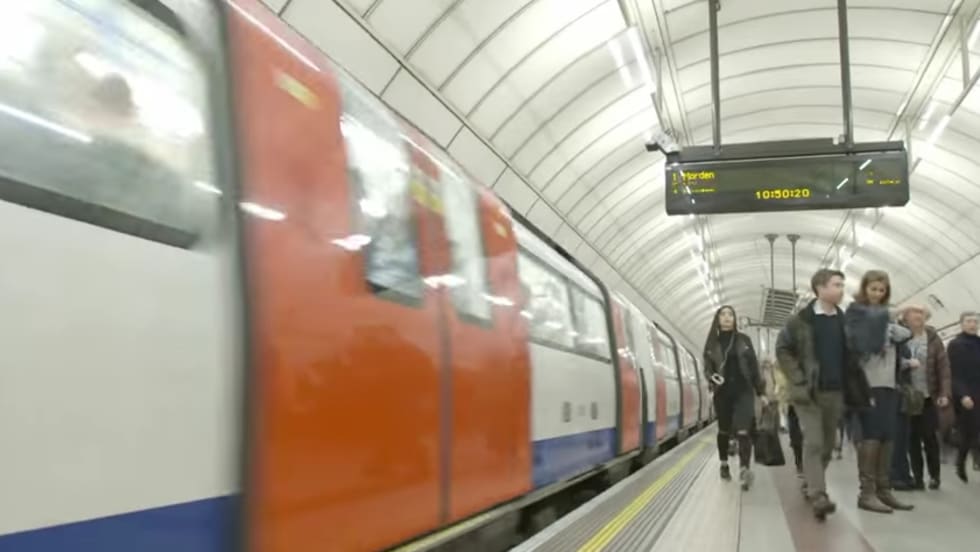
Hesop works by converting and transferring any unused power, generated by the trains during braking, to the medium voltage loop for re-use within the network.
Read More →


The two companies have agreed to work together, sharing technical, and commercial information necessary for Alstom to design, build, commission, and support a fleet of ten three-car hydrogen multiple units.
Read More →Alstom’s scope of work includes a complete overhaul and conversion of the cars, including concept and design, interior and industrial design engineering, mechanical, electrical and rail testing, as well as commissioning.
Read More →Will allow operators to consider the entirety of their rail operations, which has never been done before, as every part of a system is usually assessed separately.
Read More →Thanks to reduced maintenance and operating costs, and a longer service life than that of a bus, the cost of ownership of Aptis is equivalent to that of today's diesel buses, according to Alstom.
Read More →The trains, manufactured at Alstom's Savigliano, Italy-based production site, are scheduled to be delivered by December 2017 and slated to enter service March 2018.
Read More →In 2017, Aptis was awarded the Innovation Award at Busworld, the main international bus fair now being held in Brussels, Belgium.
Read More →The traction system for Beijing Line 15, specially designed and developed by Alstom for the Chinese market, is named OPTONIX and allows the train to consume 30 percent less energy than a conventional metro thanks to performance improvements in the traction system and energy regenerative brakes.
Read More →Due to circulate on line 4, the MP14 trains will help to increase the capacity and quality of transport on the line, with a targeted global service equivalent to that of line 1.
Read More →The total order to supply of to 1,362 M7 cars is valued at $3.6 billion. Bombardier's part is worth around $2.3 billion, while Alstom's share is worth $1.3 billion.
Read More →