
Metro Magazine

 MENU
MENU SEARCHMENUSEARCH
Loading data...
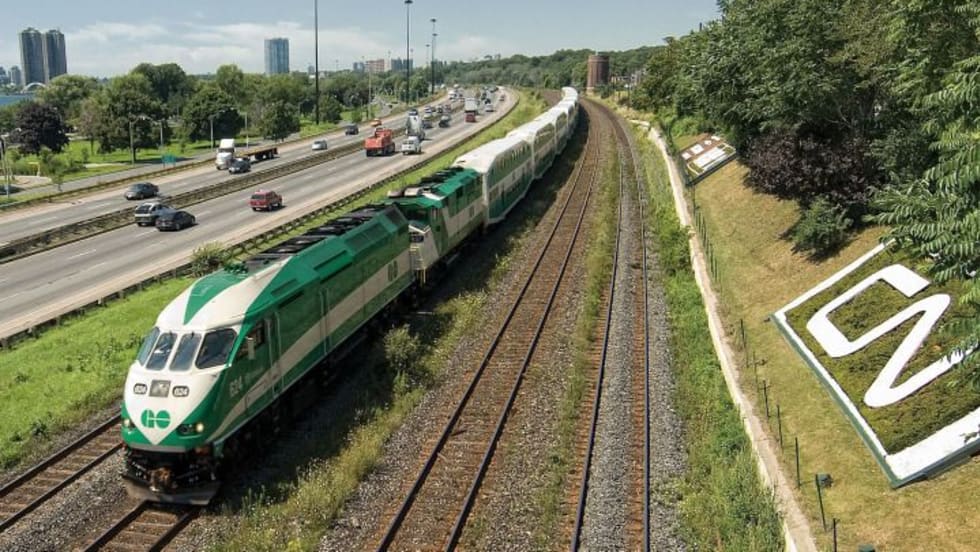
The year-long study recently completed by Metrolinx revealed important transportation benefits associated with electrification, and these benefits would increase over time and as service levels increase. These benefits include shorter travel times for riders and lower operating costs.
Read More →
Initial 3.4-mile, 12-station light rail line would connect downtown Detroit to Grand Boulevard in the New Center district along the region's main travel artery via Woodward Avenue.
Read More →The contest is open to all college students in Illinois, Michigan, Missouri and Wisconsin for the chance to win more than $3,000 worth of prizes. Students can enter the contest by submitting a train travel-themed video by Feb. 28, 2011. Amtrak plans to use the winning video in future promotional campaigns.
Read More →The $166M order is part of the contract signed in Oct. 2009 with SNCF. The Coradia Polyvalent is a single-level regional train that can travel at up to 99 mph in both its electric and hybrid versions.
Read More →After becoming a popular alternative to air and car travel in the Northeast Corridor, the operator plans to build onto its success with a plan for a bullet train that would run at speeds of up to 220 miles per hour.
Read More →For the third year in a row, the intercity bus service was the fastest growing mode of intercity transportation, outpacing air and rail transportation, the study reports. Intercity bus operations expanded by 6 percent in 2010.
Read More →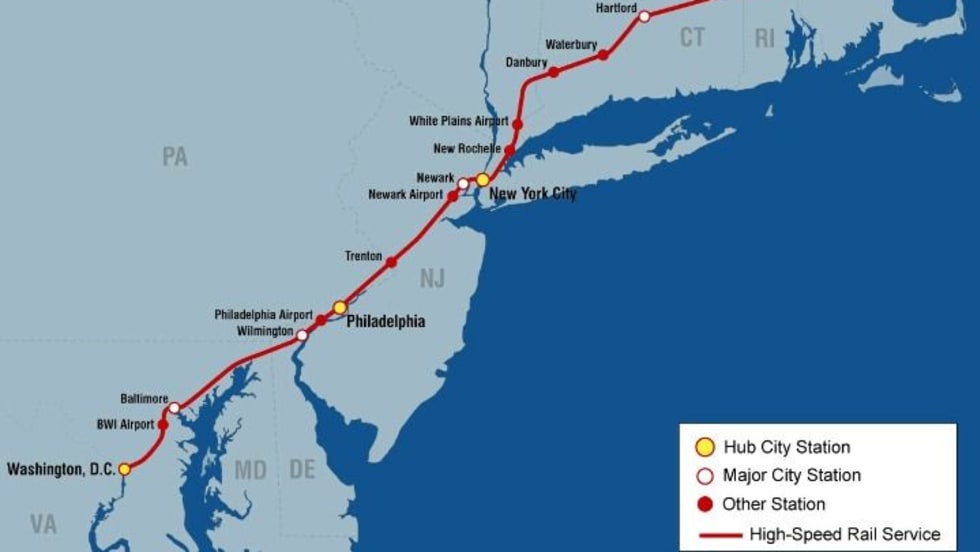
Per an AECOM report, trains would operate at up to 220 miles per hour on a new, dedicated, two-track corridor with a trip time of just under three hours and 30 minutes between Washington and Boston, approximately half the current schedule.
Read More →The travel-friendly Website is loaded with features including an enhanced station directory using powerful search technology capabilities and an interactive map to locate train stations near specified destinations.
Read More →The Association is conveying the message that intercity buses can be routed to meet unexpected or emergency traveler demand at a moment’s notice, and are tailored for the role of connecting to planes, trains and intra-city transit buses or light commuter rail.
Read More →Other factors ranked as important in choosing the mode: Shorter travel times compared to flying to destination (80 percent); the experience traveling by train (79 percent); opportunities during leisure or business trip to visit another city that is linked to destination by high-speed rail (78 percent); and environmental concerns (75 percent).
Read More →