



Thinning the rail project pipeline
Is there a way to get around the red tape?
For years, FTA officials have been complaining that the gap between the “pipeline” of New Start applications in development and approvals leading to a Full Funding Grant Agreement had been hopelessly outstripping projected funding for the program. Many believe that in response, the FTA made the application and approval process tougher to help ration excess demand in the program, while simultaneously elongating the process. Now rail projects and many in the industry are fighting back in the halls of ¬Congress, setting the stage for major policy changes that could come later in the decade.
Rationing by the queue?
The British economist John Maynard Keynes referred to the technique as “rationing by the queue.” Indeed, according to an APTA study, the process now often exceeds 40 months, sharply longer than the 26 months it took roughly a decade ago.
Some believe that more is at work than standing in a longer line. The additional focus on ridership and travel time savings is skewed, and the other measures that Congress ordered the FTA to examine in the last reauthorization legislation in 2005 have not been incorporated to the degree intended, critics argue.
FTA staff reply that it is far more difficult to predict a project’s impact on economic development than it is to model ridership gain, travel time savings and expected project costs. “I defy anyone to tell me how economic development is any different from impact on land use, which we always have included,” said FTA Administrator James Simpson in October at the APTA Annual Meeting in Charlotte, N.C.
True, critics reply, but it was not so in the early years of New Starts regulations and these techniques have been refined along the way. Moreover, FTA was directed to include economic development as a separate criterion, difficult or not.
Perhaps most troubling to the industry, in its final version of the regulation implementing these provisions the FTA included considerations that were not in the law or its legislative history: a category for “very small starts” for corridors with 3,000 riders per day and capital costs of less than $3 million per mile, excluding vehicles, and evaluation bonuses for inclusion of congestion pricing.
Several studies underway are expected to help measure the impact of projects on economic development. Of course, there has been strong evidence around the country that rail and bus projects do generate economic returns. For example, more than $2 billion has been estimated around Portland’s streetcar system.
The situation is near boiling in Congress as the Senate, in its version of the FY 2008 transportation appropriations bill, voted to prohibit the use of FTA funds to implement the new regulation as written; though the House version was passed earlier and was not included, the prospects for winding up in the final bill are high. However, the outcome depends on how Congress will package the appropriation bills for the President to sign, whether he will veto the package (he has already vowed to do so, but on grounds of excessive spending) and whether this provision will get stripped from final spending approved for the year.
Prospects beyond 2009
While this all plays out, the current rule will likely become final and the FTA will begin playing by those rules. Some in the industry are also threatening to bring suit against the FTA for ignoring the intent of Congress. However, most of this is not about the current rule but how the program will be governed in the next reauthorization bill.
The current law, SAFETEA-LU (Safe, Accountable, Flexible, Efficient Transportation Equity Act: A Legacy for Users), is set to expire on September 30, 2009. This means that there is only one more spending legislative cycle under SAFETEA-LU before Congress needs to renew it, if the deadline is kept (if history is any judge, it won’t be). The current rule — and the severe push back — set the stage for the next act. Given the fiscal pressures and emerging recognition of how public transportation not only positively affects economic development but also the nation’s carbon footprint and energy security, the strict cost-effectiveness index calculations will have to be revised. To paraphrase Churchill, perhaps it’s the end of the beginning
More Rail
FRA Announces $5.3B in Rail Investments, Including $2B for Amtrak
Funding will support grade-crossing improvements, infrastructure upgrades, and new Amtrak equipment in 23 states.
Read More →
Finding the ‘Happy Medium’: Optimizing Maintenance Without Sacrificing Reliability
The key to maintenance optimization isn’t doing less work—it’s doing the right work at the right time on the right assets.
Read More →
OKC Streetcar Makes Zero-Fare Service Permanent
Ridership increased an average of 71% compared with the same period a year earlier during the fare-free pilot.
Read More →
DART Customer Satisfaction Reaches Six-Year High
Overall satisfaction rose to 74.9%, while the agency’s Net Promoter Score reached a record 33.7.
Read More →
How DART's GoPass Is Redefining Regional Mobility
Serving 14 transit agencies, GoPass simplifies multimodal travel by allowing riders to plan, pay for, and manage an entire trip through one app.
Read More →
Amtrak Board Advances Plan to Restructure Organization, Seeks Public Input
The proposal, developed by Amtrak management and approved by the board for further consideration, is intended to modernize the organization's structure while improving accountability, operational efficiency, and customer service.
Read More →
Biz Briefs: STV teams with Amtrak, Motorcoach Operators Boost Fleet and Land Contracts, and More
From manufacturers and suppliers to transit agencies and motorcoach operators, these updates offer a snapshot of the projects, partnerships and business moves driving the industry forward.
Read More →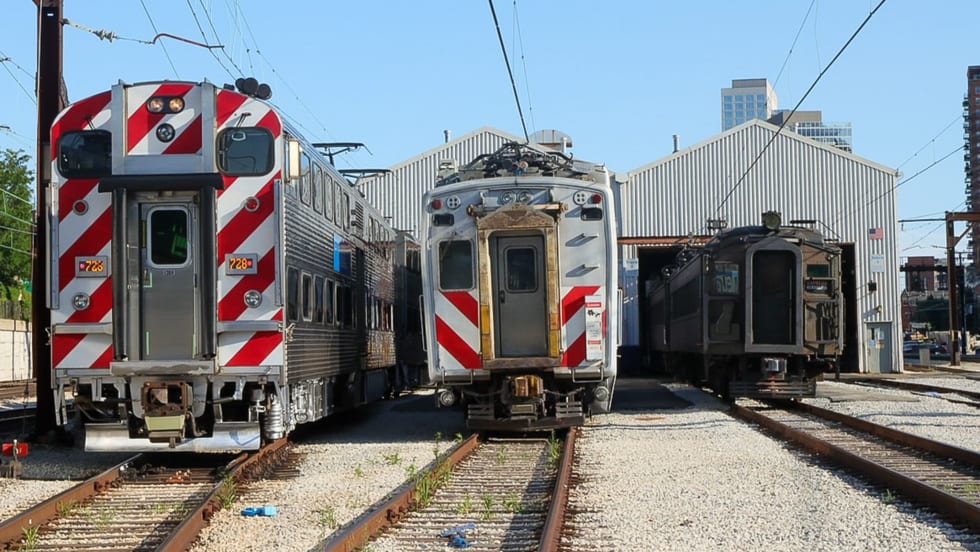
Metra Celebrates 100 Years of Electric Rail, Looks to the Future
The event was also a celebration of recent reforms to public transportation in the Chicago area, changes that could be as transformative in the future as the major civic achievement a century ago, said officials.
Read More →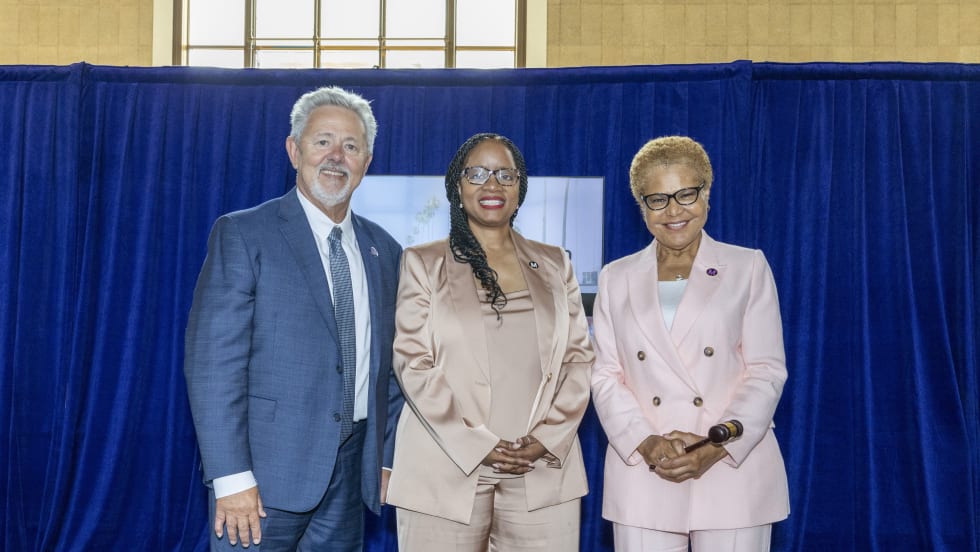
LA Metro Marks Banner Year, Sets Ambitious Goals for New Fiscal Year
Incoming LA Metro Board Chair and Los Angeles Mayor Karen Bass joined outgoing Board Chair Fernando Dutra and LA Metro CEO Stephanie Wiggins to review accomplishments from fiscal year 2026, which included the opening of new rail extensions, advancement of major transit projects, expanded safety programs, and new rider amenities.
Read More →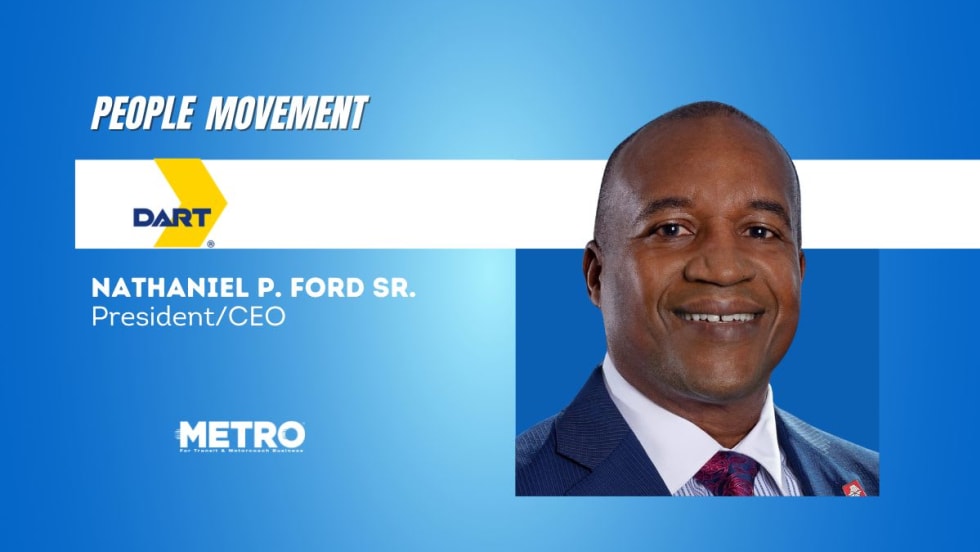
DART Taps Nathaniel P. Ford Sr. as Next President/CEO
Since 2012, Ford has served as the CEO of the Jacksonville Transportation Authority
Read More →