
Metro Magazine

 MENU
MENU SEARCHMENUSEARCH
Loading data...

The $188-million transportation center in the heart of Anaheim, not far from Disneyland, is designed as a central hub where trains, buses, cars and bicycles will converge. Officials hope it ultimately will be the final stop for the state's proposed high-speed bullet train.
Read More →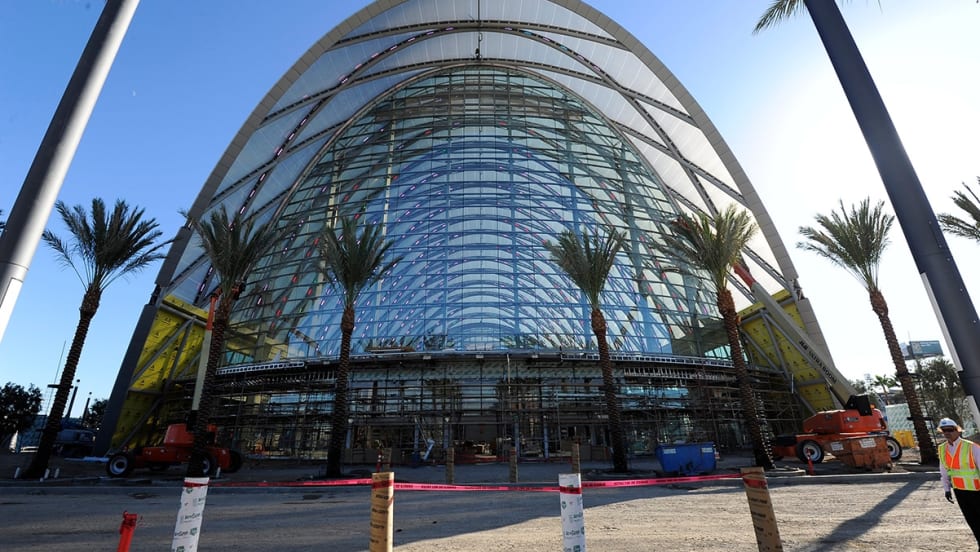
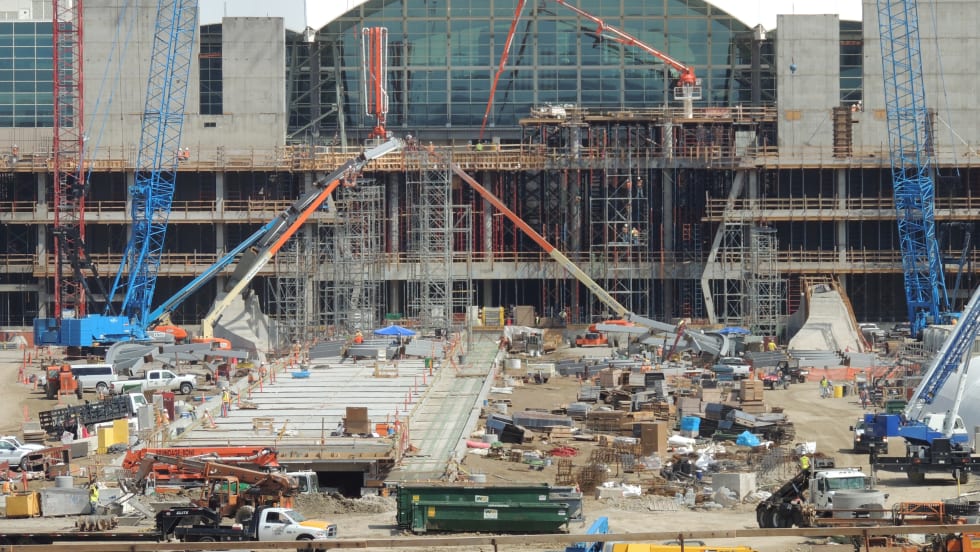
City officials said the transit station’s design mimics the high ceilings of Union Station, as well as other great train stations in New York, Chicago and Philadelphia.
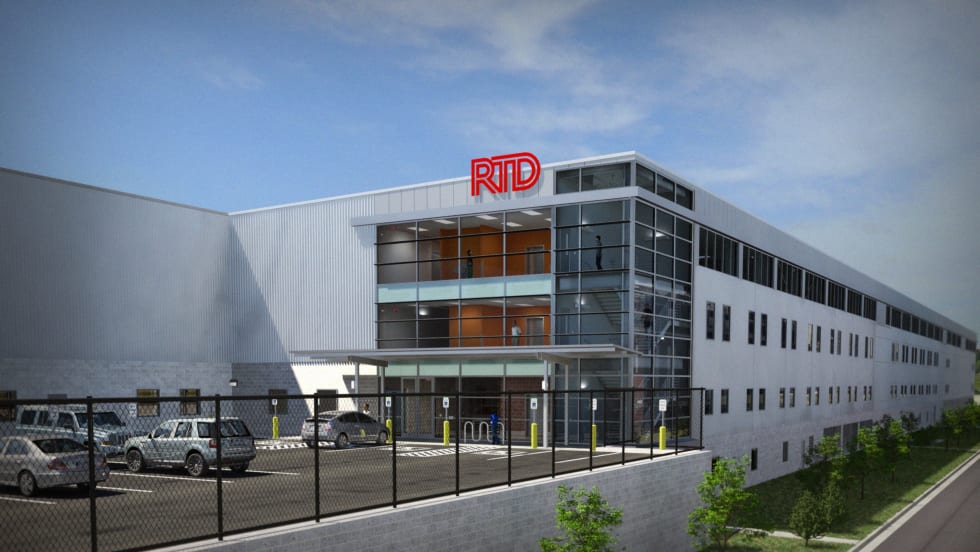
Read More →Building new maintenance facilities for transit agencies are rarities, but when agencies do build them, it’s critical to design and build to the highest performance possible — these facilities and their efficiencies will live on for decades. As part of preserving limited revenue, agencies are focusing on how efficiently design facilities can help the bottom line.
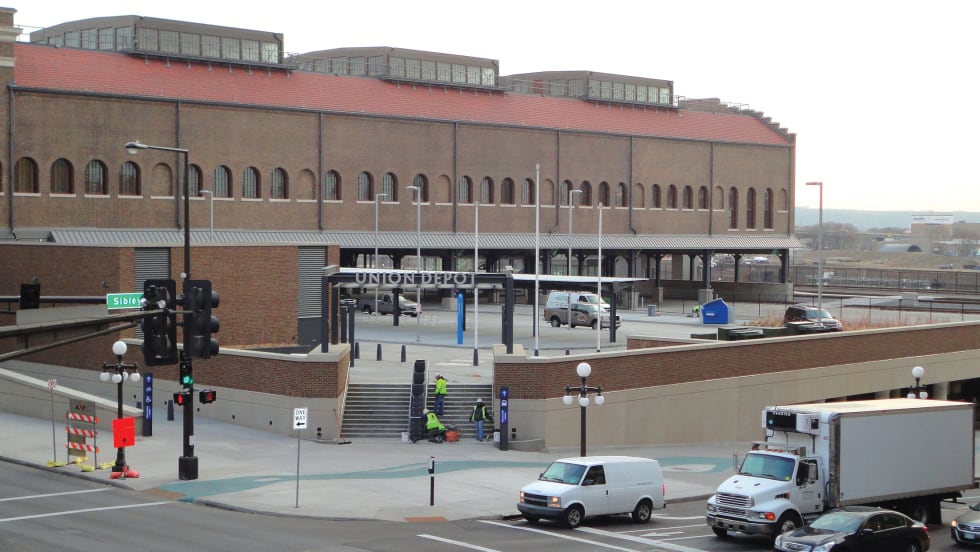
Read More →The revamped design incorporates new modes, such as bicycle, bus and light rail, along with added emphasis on vehicular interfaces to the depot, which was not originally designed for modern vehicle operations.
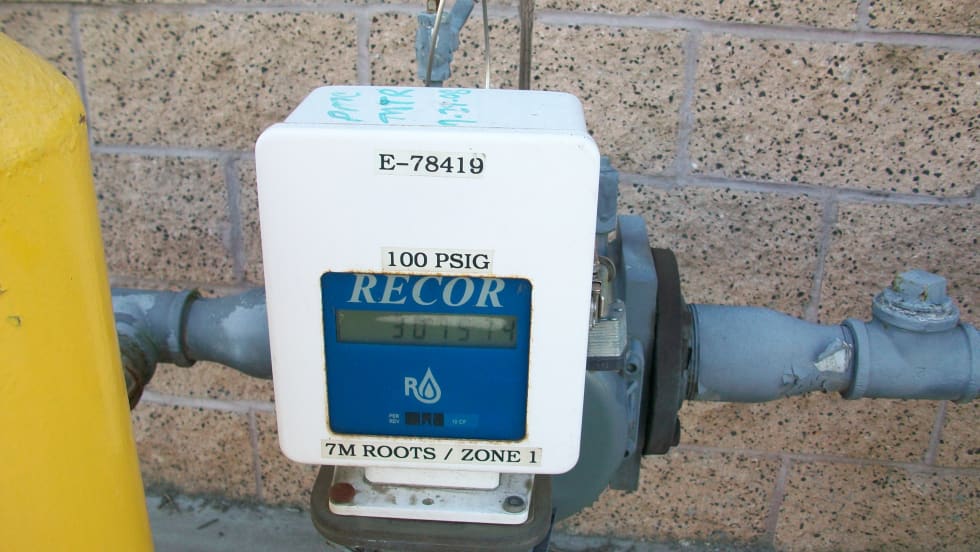
Read More →Maintenance facilities are the operational backbone of transit agencies, helping wash, clean and maintain thousands of buses, railcars and ferries each and every day. This regular maintenance makes them huge consumers of water and energy (and money). Many cities across the country are mandating transit agencies create more efficient facilities not only as good stewards of the environment, but also to help the bottom line.
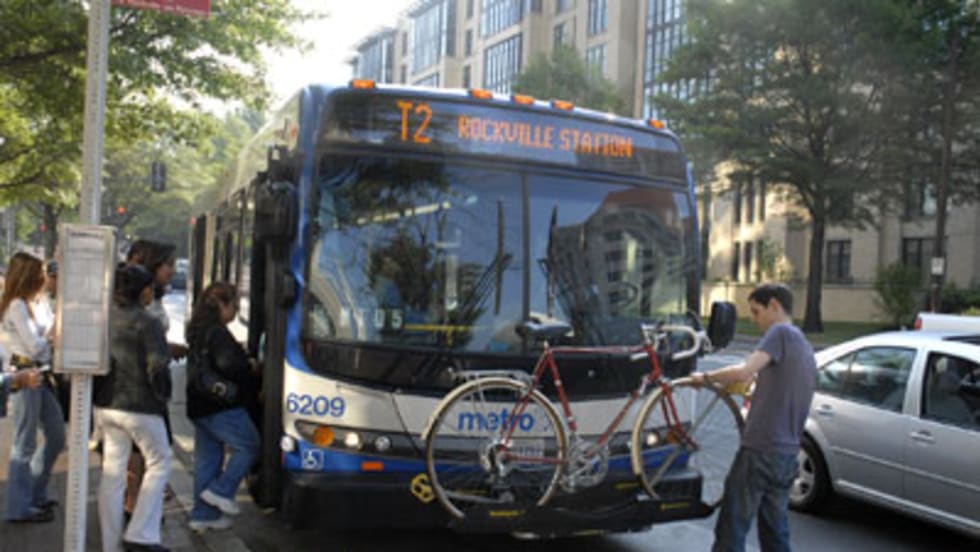
Read More →Other targets set by the new initiative include increasing Metro ridership 25% by 2025; increasing greenhouse gas displacement by 10% by 2025; and reducing water use per vehicle mile by 20% by 2025.
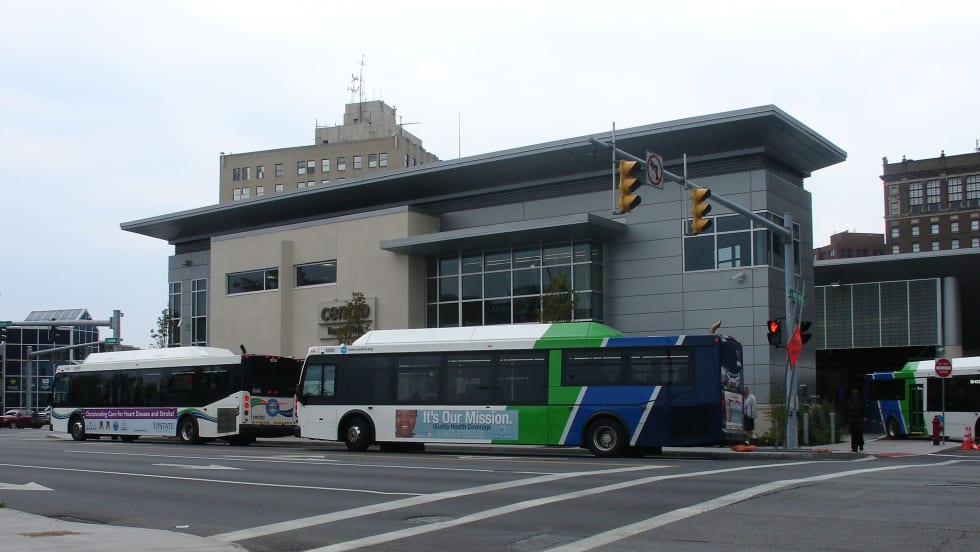
Read More →The Hub, which was designed by QPK Design and constructed by Bette & Cringe, opened in September 2012 and serves as the main transfer location for more than one million Centro riders annually.
Read More →Transit agencies increasingly want third-party validation of their sustainability efforts. They understand that to make improvements, they need to measure what they’re doing. And, that takes special skills and a trained eye. But, finding just the right fit between an agency and an outside advisor/auditor can be challenge.
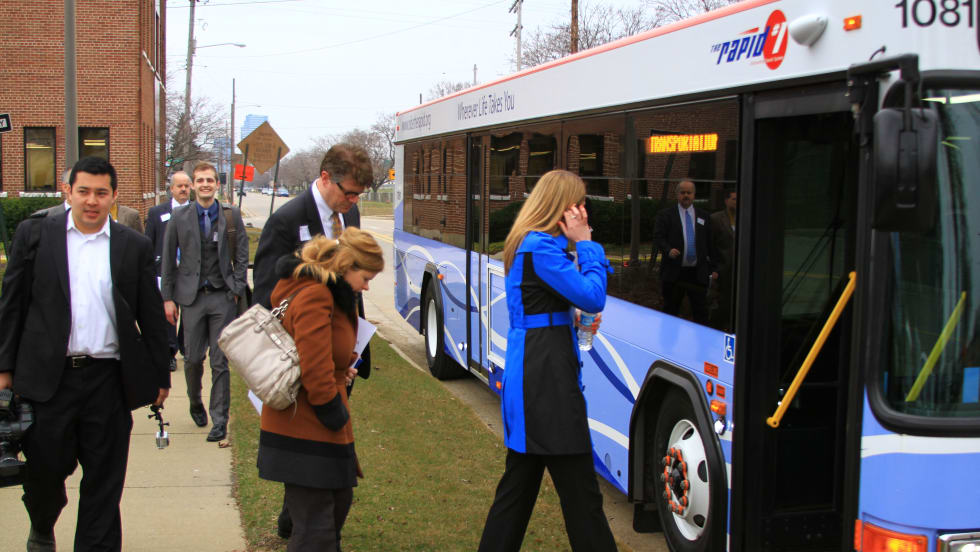
Read More →Peter Varga’s theme for his year as chair is “America’s Future is Riding on Public Transportation.” This is reflected in his success at accommodating increasing ridership and improving job access as CEO at Michigan’s The Rapid and his work with APTA on a reauthorization plan.
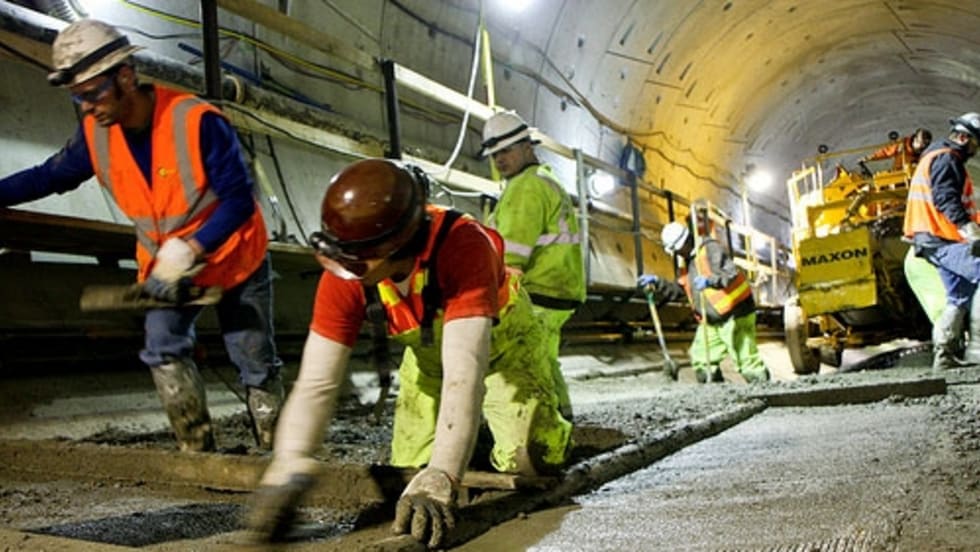
Read More →Big transit projects often cite reduced carbon pollution as a main selling point to the public. But to take environmental stewardship to the next level, we should look past tailpipes and smokestacks and focus our attention on what goes into these civil engineering marvels. Namely, a lot of concrete.
Read More →