
Metro Magazine

 MENU
MENU SEARCHMENUSEARCH
Loading data...

Initiatives include real-time ride sharing, transportation demand management, Google Transit, transit tracking, street landscaping and bike sharing.
Read More →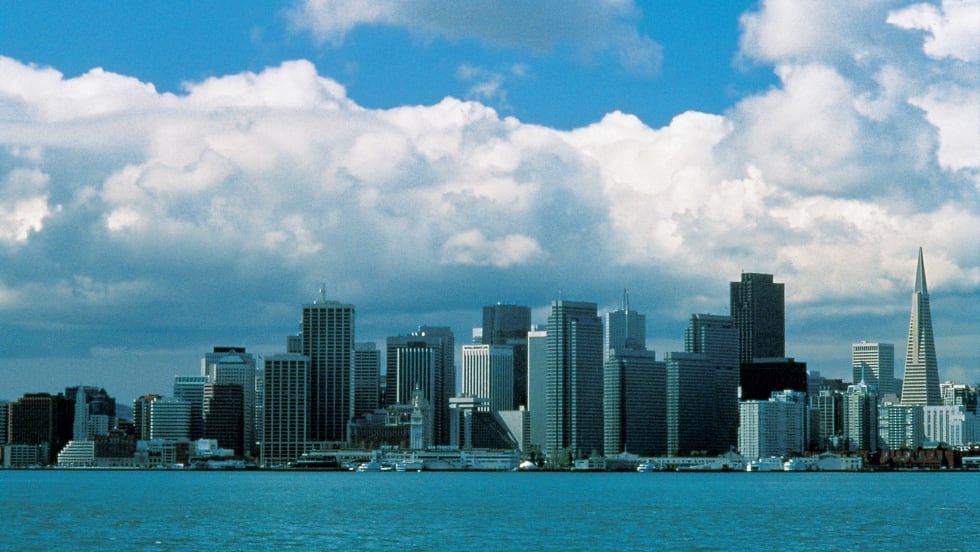
Between 2000-2010, metropolitan areas with more vibrant downtowns experienced less sprawl. San Francisco, Miami, and New York experienced sprawl rates of less than 1%, while Memphis, Tenn., Tucson, Ariz., and Phoenix had sprawl rates greater than 10%.
Read More →The Climate Registry is a non-profit organization founded to set standards for businesses and governments to calculate, verify and publicly report their greenhouse gas emissions.
Read More →Under the new national program, buses and trucks built in 2014 through 2018 will reduce oil consumption by a projected 530 million barrels and greenhouse gas pollution by approximately 270 million metric tons. The standards are expected to yield an estimated $50 billion in net benefits over the life of model year 2014 to 2018 vehicles.
Read More →Projected to reduce greenhouse gas emissions by nearly 250 million metric tons and save 500 million barrels of oil over the lives of the vehicles produced within the program's first five years.
Read More →Using the methodology developed by APTA, in cooperation with the MTA and other U.S. transit agencies, consulting firms, nonprofits and academics, the MTA enables New Yorkers to avoid emitting 8.24 units of carbon for every unit the MTA emits through its operations.
Read More →Among specific findings, the reports suggests reducing the number of vehicle-miles traveled through a combination of strategies, including improved public transportation, coordinated transportation and land use strategies, and greater opportunities for walking and biking — practices emphasized in the Department's livability initiative — could reduce transportation greenhouse emissions 5 percent to 17 percent by 2030.
Read More →The car, which can travel about 120 miles between charges, will probably consume about 3,100 kilowatts of electricity if the car is driven about 5,600 miles per year.
Read More →The project is expected to eliminate 688 metric tons of carbon dioxide and equivalents from the air each year, or 8,250 metric tons over the lives of the vehicles.
Read More →Of four regions studied, the Bay Area is saving the most on transportation costs due to its smart growth communities, with Los Angeles coming in a close second.
Read More →