



GHG emission standards for buses, trucks unveiled
Projected to reduce greenhouse gas emissions by nearly 250 million metric tons and save 500 million barrels of oil over the lives of the vehicles produced within the program's first five years.

On Monday, the U.S. Environmental Protection Agency ( EPA) and the U.S. Department of Transportation (U.S. DOT) announced the first national standards to reduce greenhouse gas (GHG) emissions and improve fuel efficiency of buses and heavy-duty trucks.
This comprehensive national program is projected to reduce GHG emissions by nearly 250 million metric tons and save 500 million barrels of oil over the lives of the vehicles produced within the program's first five years.
"Through new fuel-efficiency standards for trucks and buses, we will not only reduce transportation's environmental impact, we'll reduce the cost of transporting freight," said U.S. Transportation Secretary Ray LaHood. "This is a win-win-win for the environment, businesses and the American consumer."
EPA and DOT's National Highway Traffic Safety Administration (NHTSA) are proposing new standards for three categories of heavy trucks: combination tractors, heavy-duty pickups and vans, and vocational vehicles. The categories were established to address specific challenges for manufacturers in each area.
Overall, NHTSA and EPA estimate that the heavy-duty national program would provide $41 billion in net benefits over the lifetime of model year 2014 to 2018 vehicles. With the potential for significant fuel efficiency gains, ranging from seven to 20 percent, drivers and operators could expect to net significant savings over the long-term.
The innovative technologies fostered by this program would also yield economic benefits, enhance energy security and improve air quality. New technologies include widespread use of aerodynamic improvements and tire rolling resistance, as well as engine and transmission upgrades.
EPA and NHTSA are providing a 60-day comment period that begins when the proposal is published in the Federal Register. The proposal and information about how to submit comments is here and here.
As part of the process of developing this proposed rulemaking, NHTSA has prepared a Draft Environmental Impact Statement (EIS) for its proposed fuel efficiency standards. The Draft EIS compares the environmental impacts of the agency's proposal with those of a number of regulatory alternatives. Comments may be submitted on the Draft EIS through Jan. 3, 2011, and information on the submission of comments for this document may be found at the NHTSA Web address listed above.
More Motorcoach
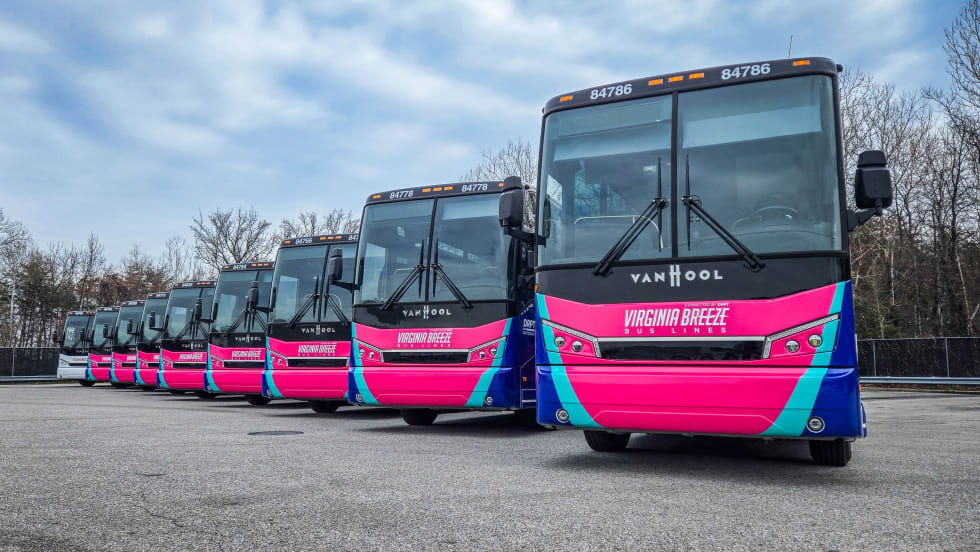
Motorcoach Market Remains Flat Amid Shift in Buying Patterns
Q2 sales totaled 514 units, up slightly from 2025, as operators favored pre-owned equipment and public-sector purchases increased.
Read More →
Biz Briefs: OCTA Taps Clean Energy for Hydrogen Station, Stadler to Supply Via Rail Vehicles, and More
From manufacturers and suppliers to transit agencies and motorcoach operators, these updates offer a snapshot of the projects, partnerships and business moves driving the industry forward.
Read More →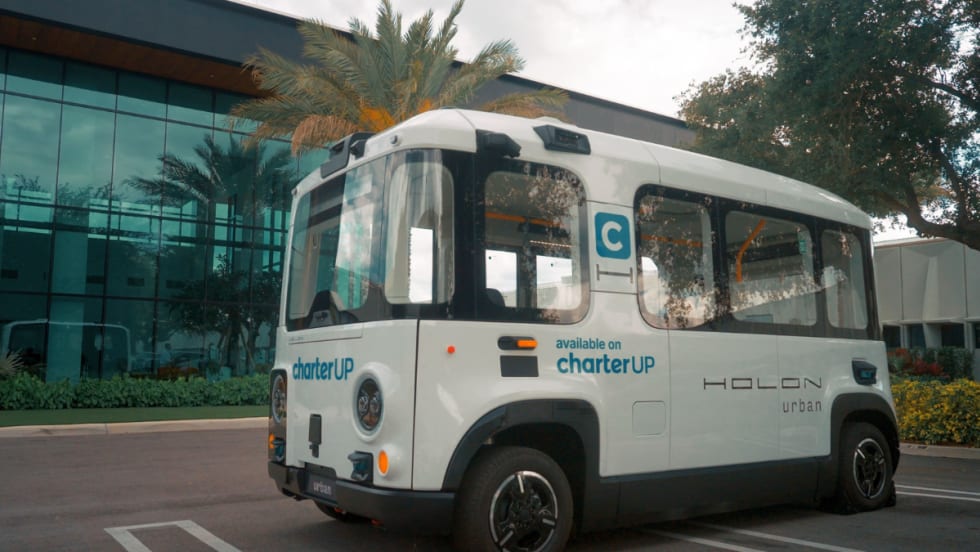
CharterUP Expands Into New Mobility and Autonomous Transportation
Vice President of New Mobility Stephen Joos discusses how CharterUP is leveraging its nationwide transportation network, technology platform, and autonomous vehicle partnerships to expand into workforce mobility, campus shuttles, and transit solutions.
Read More →
Biz Briefs: STV teams with Amtrak, Motorcoach Operators Boost Fleet and Land Contracts, and More
From manufacturers and suppliers to transit agencies and motorcoach operators, these updates offer a snapshot of the projects, partnerships and business moves driving the industry forward.
Read More →
EPA Proposal to Ease Diesel Emissions Compliance Could Improve Reliability for Motorcoach Operators
The EPA is proposing to remove DEF-related engine derates for new heavy-duty diesel vehicles, a change bus operators say would improve safety and reliability while sparking debate over the future of emissions enforcement.
Read More →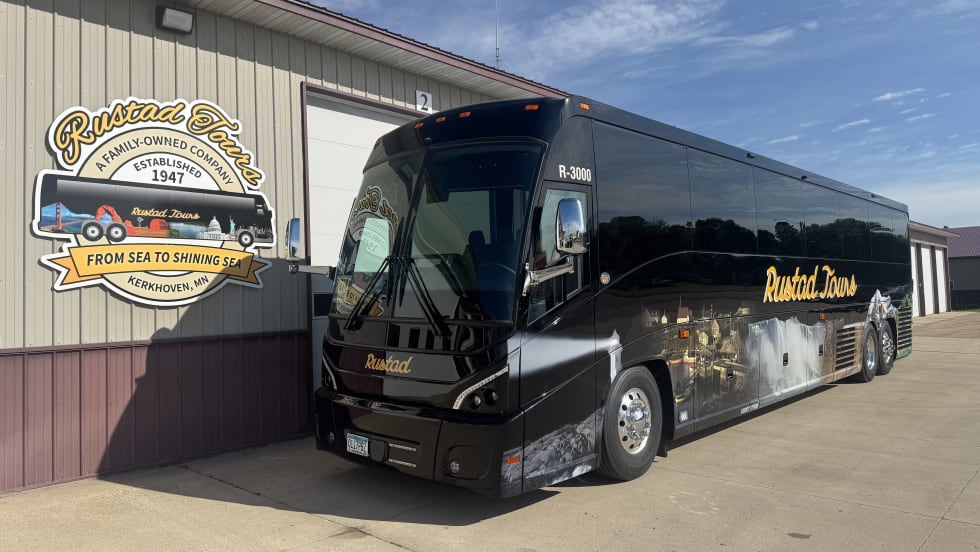
Minnesota's Rustad Tours Takes Delivery of New MCI Motorcoach
The latest addition represents Rustad Tours’ 17th new MCI coach, marking more than four decades of partnership between the two companies.
Read More →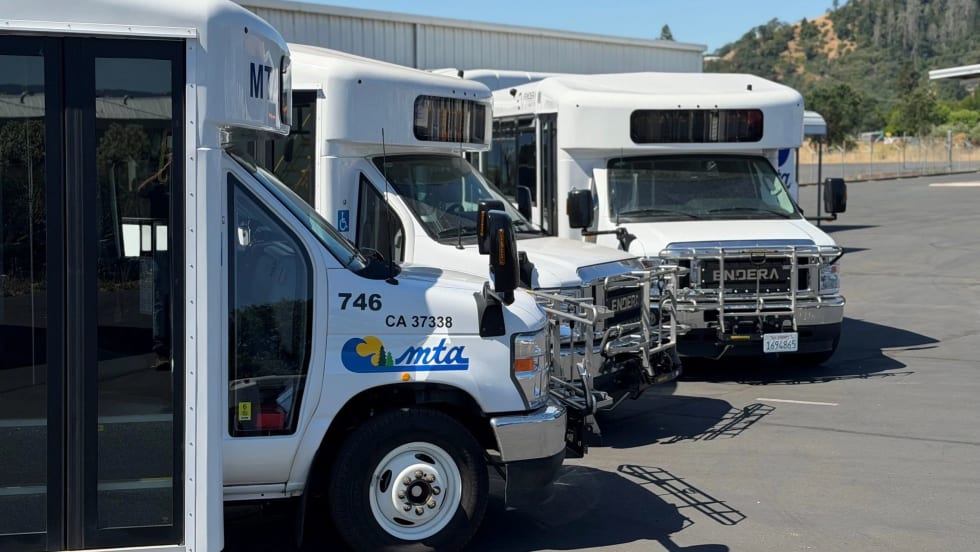
Biz Briefs: Endera Delivers to California, Safety Vision Teams with San Antonio's VIA, and More
From manufacturers and suppliers to transit agencies and motorcoach operators, these updates offer a snapshot of the projects, partnerships and business moves driving the industry forward.
Read More →
Modernizing Mobility with CharterUP CEO Armir Harris
From digital transformation to evolving customer demands, CharterUP's Armir Harris offers his perspective on the transportation industry's next chapter.
Read More →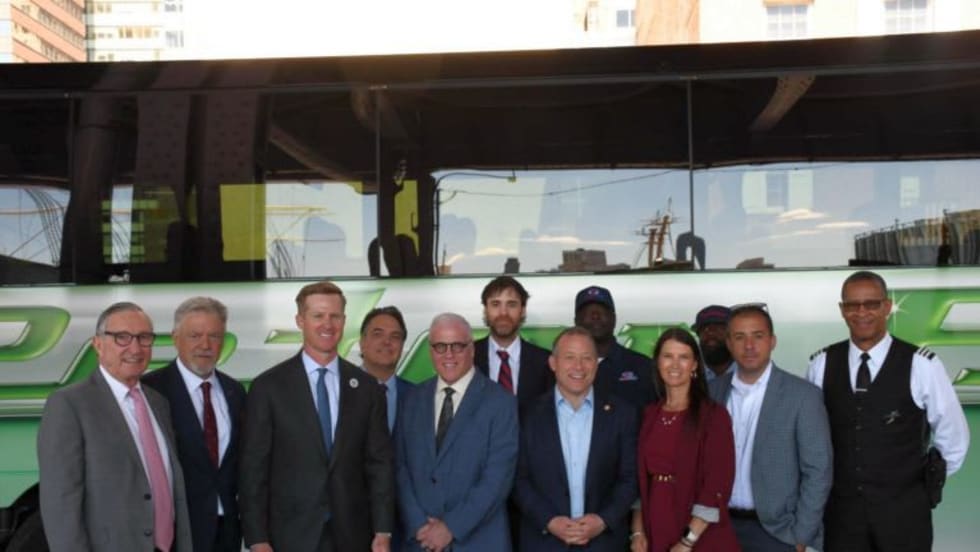
Bipartisan BUSES Act Seeks Changes to New York City's Bus Idling Enforcement Program
Backed by motorcoach operators, the legislation seeks to balance emissions goals with passenger safety by allowing limited idling for inspections, accessibility needs and extreme weather conditions.
Read More →
METROspectives: CharterUP CEO Armir Harris on Modernizing Mobility
From digital transformation to evolving customer demands, CharterUP's CEO Armir Harris offers his perspective on the transportation industry's next chapter.
Read More →