
Metro Magazine

 MENU
MENU SEARCHMENUSEARCH
James Murphy, frontman of the now-defunct LCD Soundsystem, has launched Subway Symphony, a proposed project intended to replace the “unpleasant beep” heard when riders swipe their MetroCard with a more soothing sound.
Read More →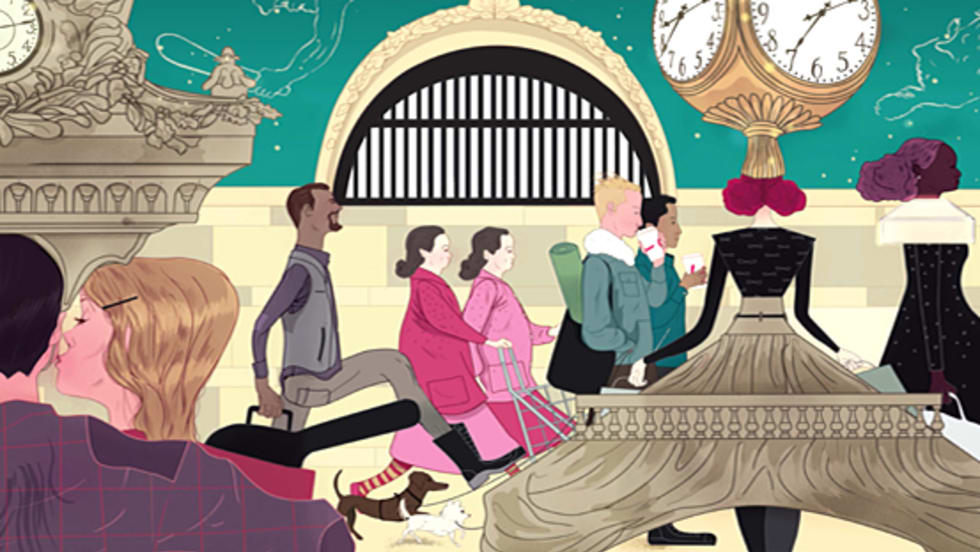
Three new art cards will adorn the panels in subway cars throughout the MTA system. The art cards are seen close-up, by millions of riders throughout the year.
Read More →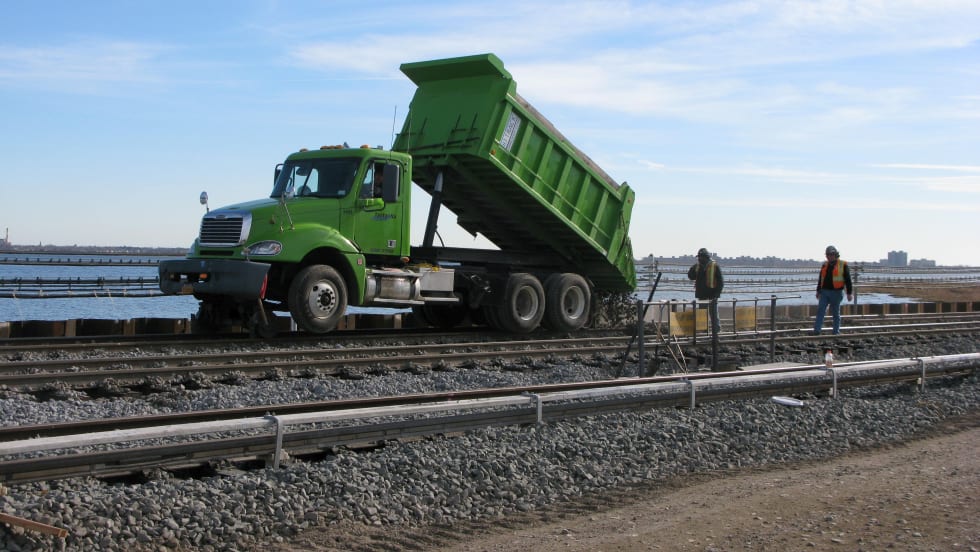
The funds reimburse the MTA for work that is already underway and also enable future projects to be completed.
Read More →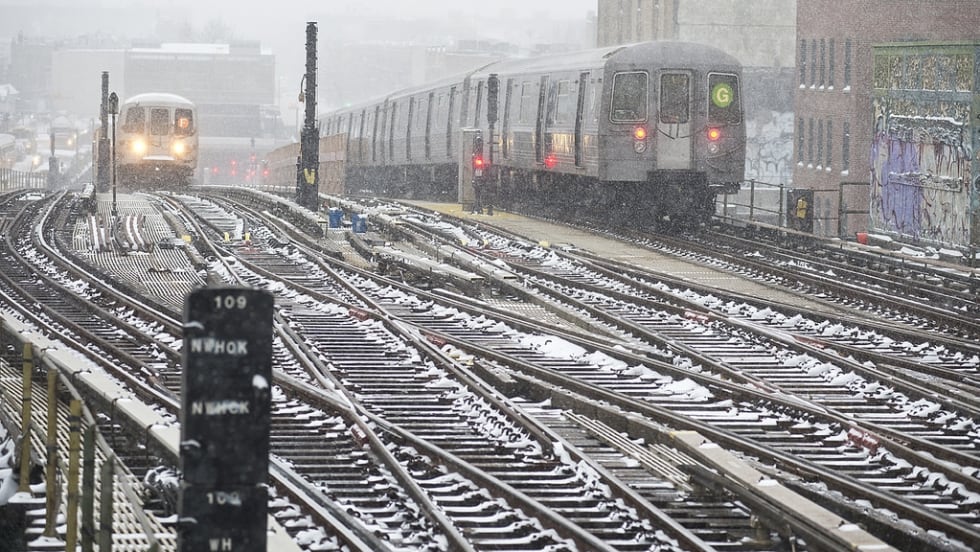
Deep snow, frigid temperatures and icy buildup on the third rails are liable to trap trains inside the yards, rendering them useless when needed and also making it far more difficult to clear the yards of snow.
Read More →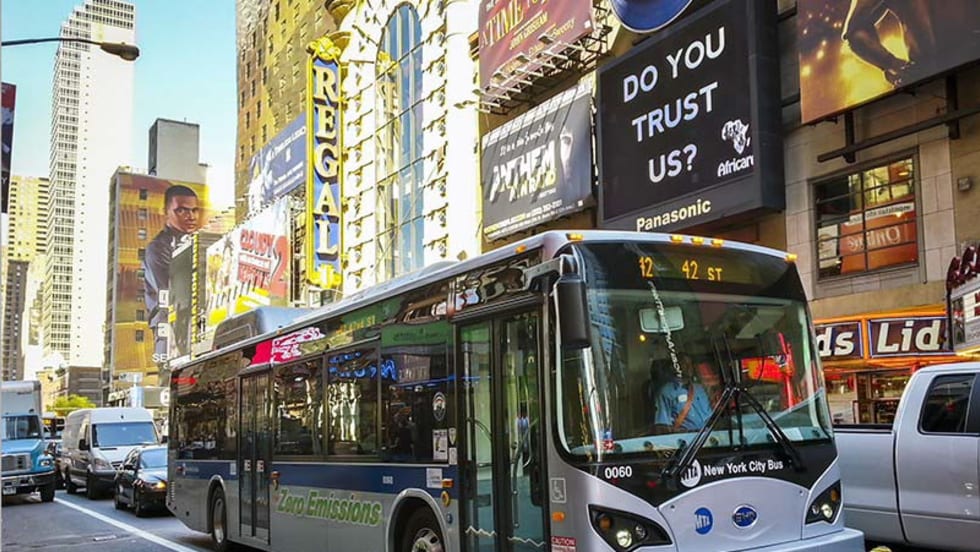
The testing was carried out on different routes throughout Manhattan, covering a total distance during the trial of 1,481 miles. The BYD all-electric bus “performed excellent” covering more than 140 miles per full charge in heavy traffic, according to company officials.
Read More →Darius McCollum has become a celebrity for escapades that began at age 15, when he piloted an E train six stops from 34th Street to the World Trade Center without any passengers noticing.
Read More →Known as Metro-North Train Time and LIRR Train Time, the new apps are available now for Android and iPhone and are free to download.
Read More →Views the results as a very favorable outcome because they came in the wake of billions of dollars of infrastructure damage and large service disruptions caused by Superstorm Sandy, followed several months later by a fare and toll increase.
Read More →The initiative allows small entrepreneurs, online businesses and established corporations to rent space in generally “as-is” condition to provide high visibility exposure for products or services.
Read More →The railroad also announced that service on the line will be increased to about 65% of normal on Wednesday.
Read More →