
Metro Magazine

 MENU
MENU SEARCHMENUSEARCH
Loading data...
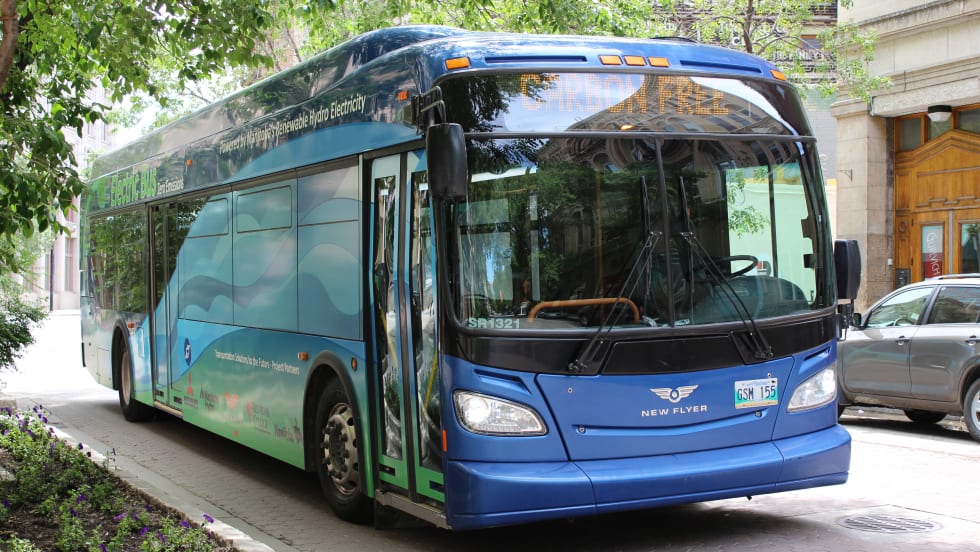
By replacing conventional mechanical power train systems, such as engines, transmissions fuel systems and complete exhaust after-treatment, with a high efficiency electric drive, the XE40 requires less maintenance throughout its life.
Read More →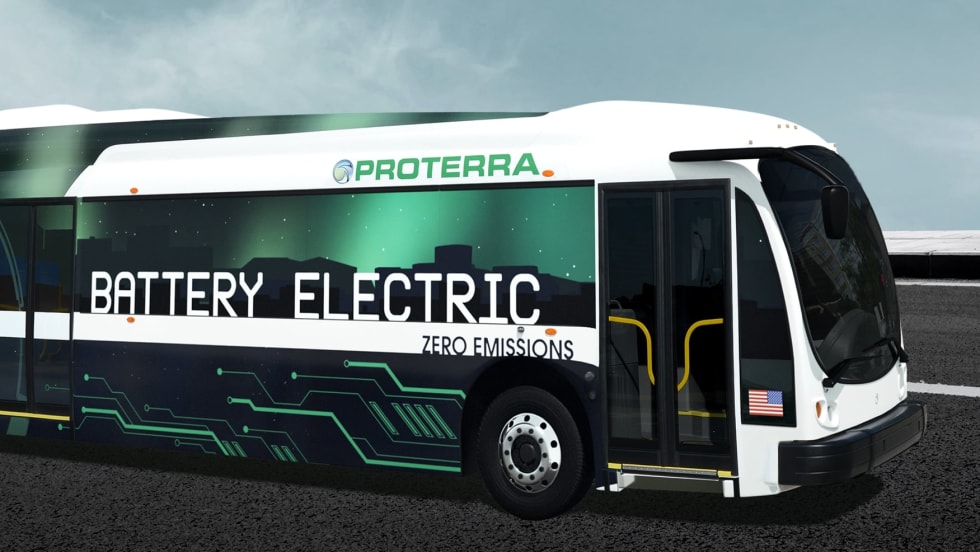
Proterra buses will use Toshiba’s Rechargeable Batteries (SCiB™), a safe rechargeable battery solution with high-rate performance and long-life capabilities that is used in a wide range of applications, from EVs to grid energy storage.
Read More →
Following a one-year trial period, King County Metro has option to purchase up to 200 more buses and additional fast-charge systems, depending on the outcome of the demonstration.
Read More →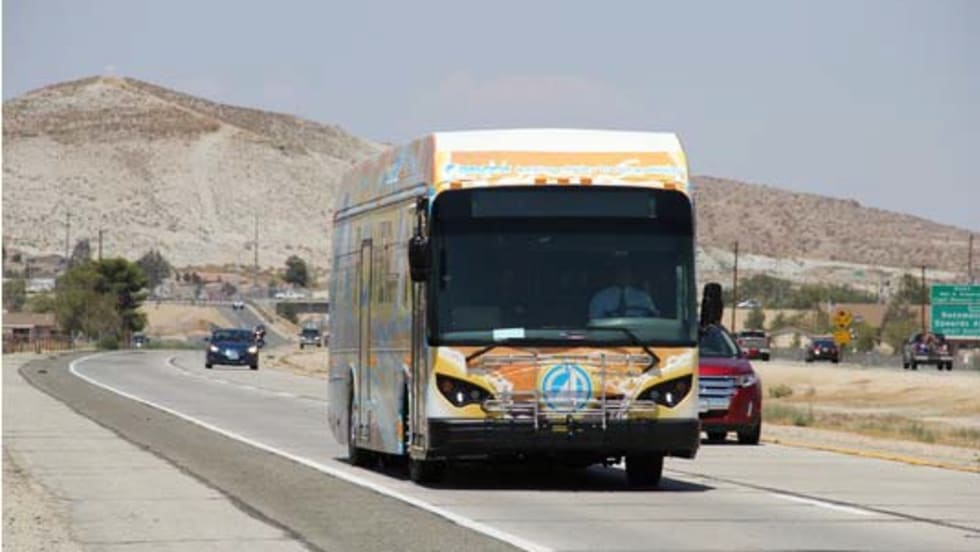
The bus managed to travel an astounding 746 miles over the 24-hour period, operating in three shifts. Each shift logged between 240 and 256 miles before recharging the battery.
Read More →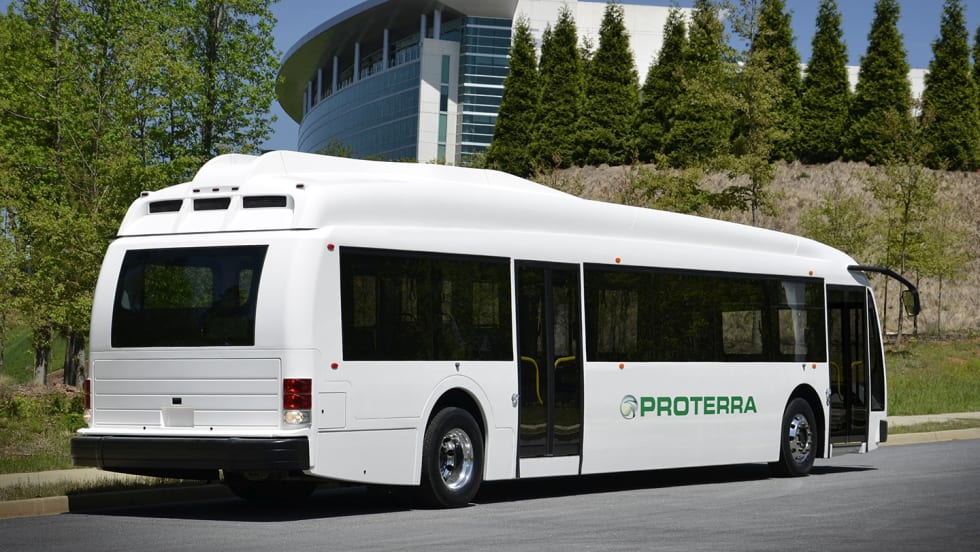
Foothill Transit became Proterra’s first customer and the first agency in the U.S. to operate EV buses in revenue service in 2010.
Read More →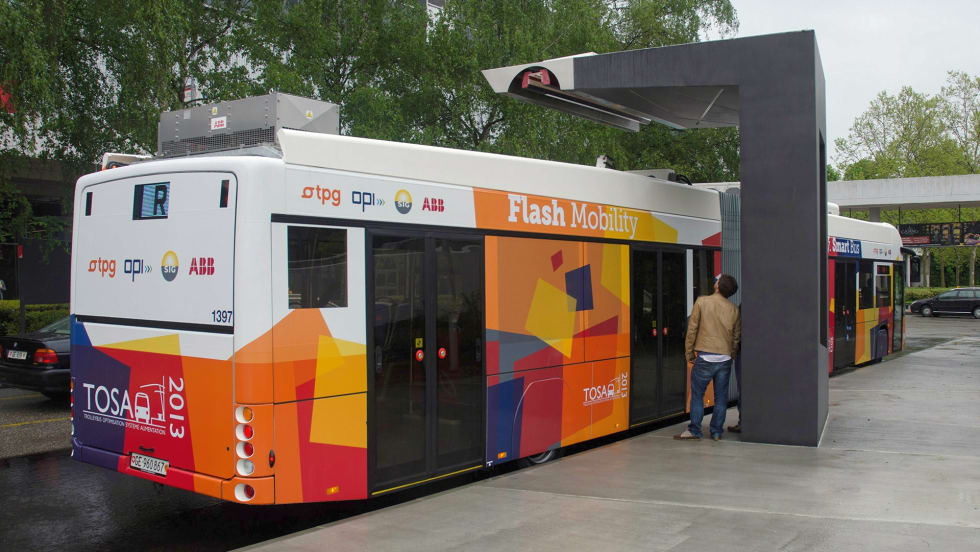
When the bus pulls up to a stop, a battery on the rooftop automatically jumps up to the overhead charger, hooks in, and charges. After the first bus was tested in Geneva, the city committed to replace an entire line with the technology.
Read More →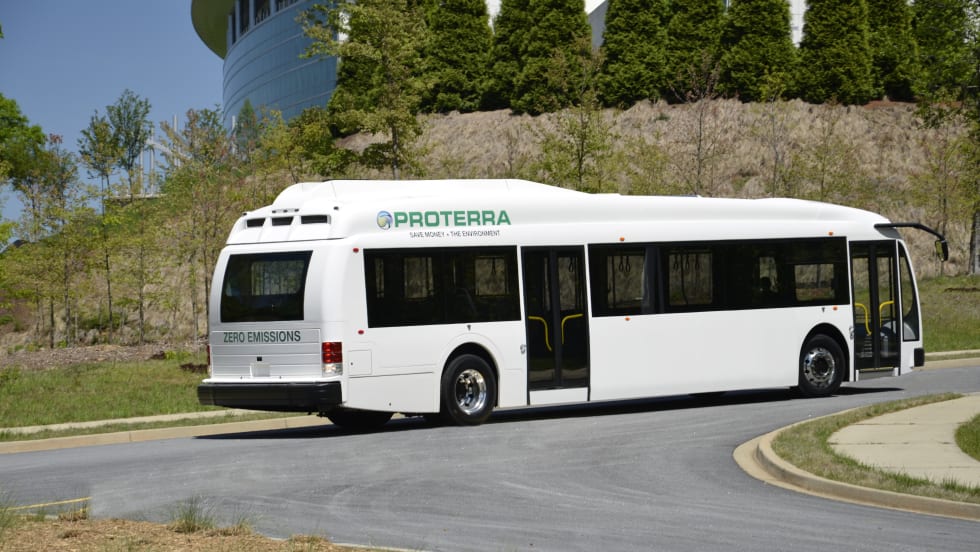
The second generation electric vehicle — a 40-foot transit bus — will be the lightest, most efficient and highest passenger capacity coach in its class.
Read More →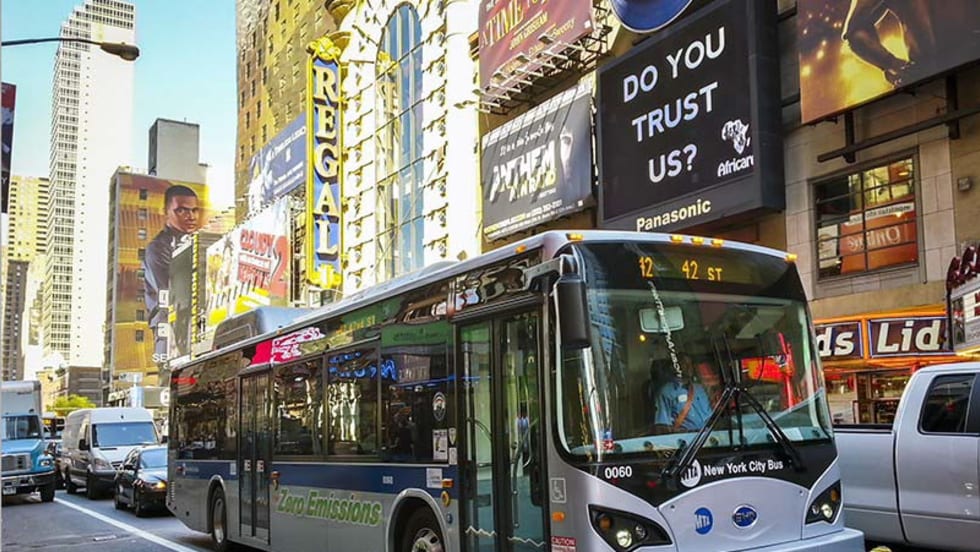
The testing was carried out on different routes throughout Manhattan, covering a total distance during the trial of 1,481 miles. The BYD all-electric bus “performed excellent” covering more than 140 miles per full charge in heavy traffic, according to company officials.
Read More →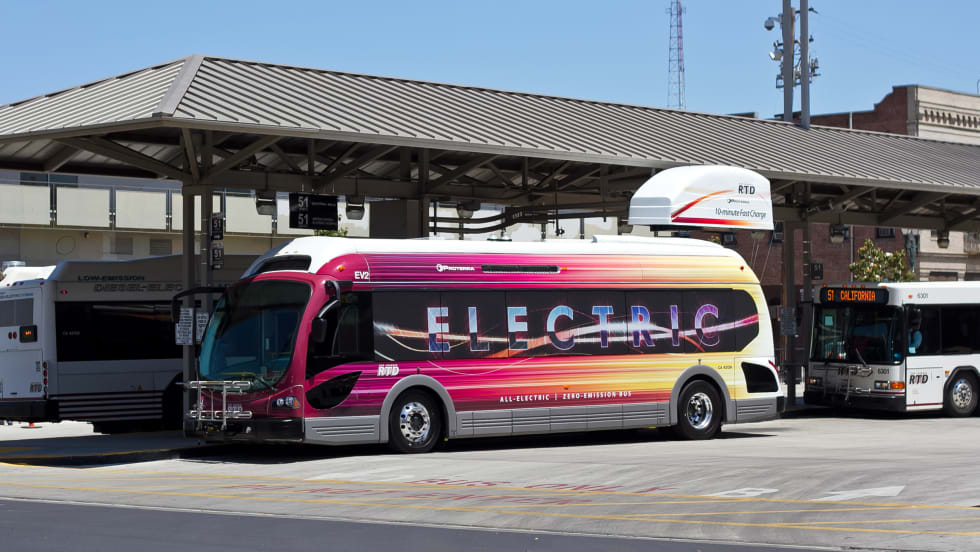
Expects to close Series C funding before the end of the first quarter of 2014.
Read More →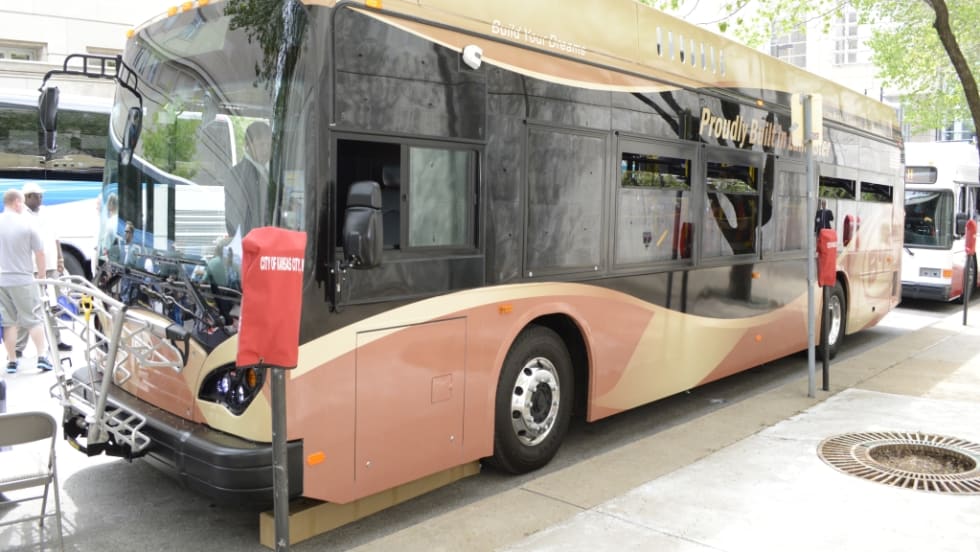
The ebus battery takes four to five hours to recharge from totally exhausted at a cost of approximately $31, representing a savings of up to 75% of fuel cost compared to a diesel bus.
Read More →