
Metro Magazine

 MENU
MENU SEARCHMENUSEARCH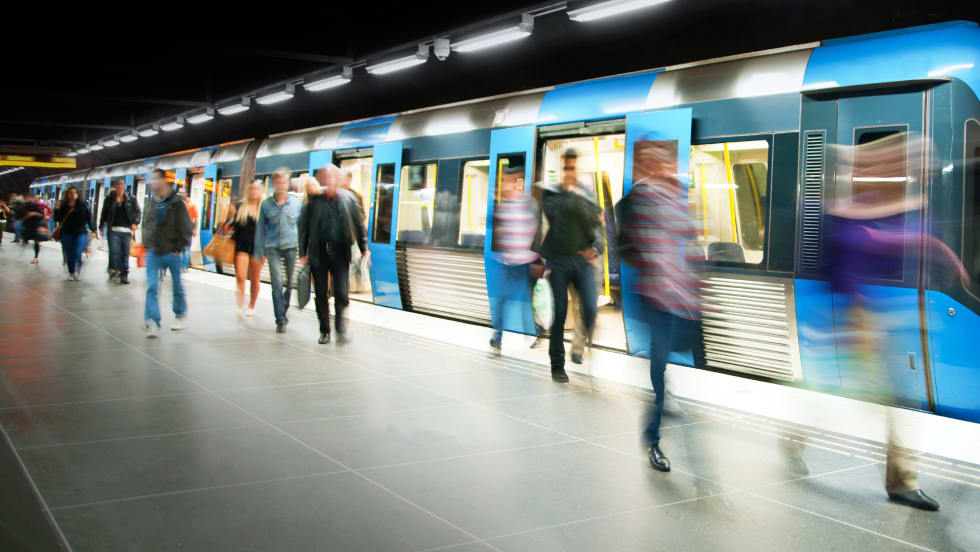
Trends include the shift to open payments and account-based solutions, tapping mobile applications and integrating equipment, and software to enhance customer service offerings.
Read More →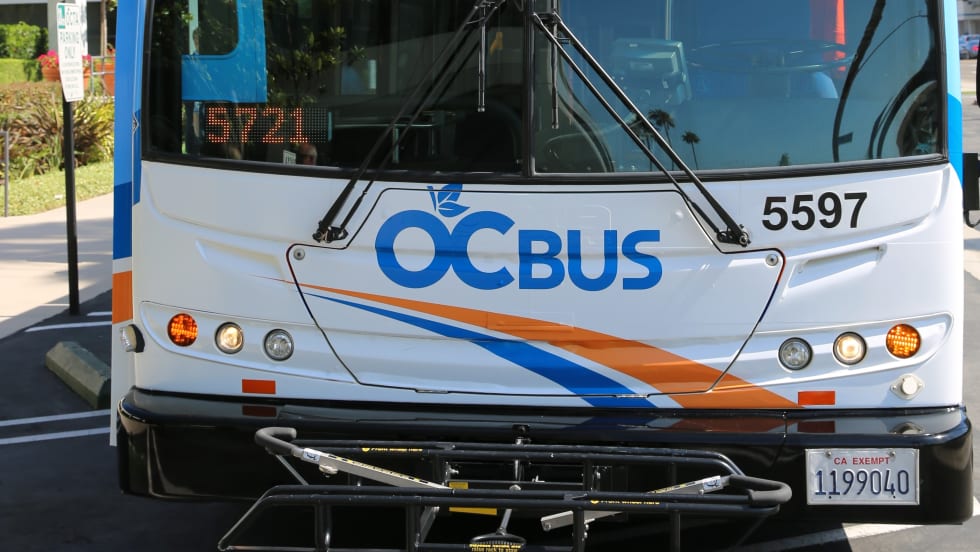
The plan, revised based on strong input from bus riders and the community, is expected to reverse a near-decade trend of declining ridership.
Read More →
During his tenure, Metro Transit launched light rail and streetcar service, several bus rapid transit lines, grew transit ridership by 44%, and rolled out the ORCA Card – much like TransLink’s Compass Card.
Read More →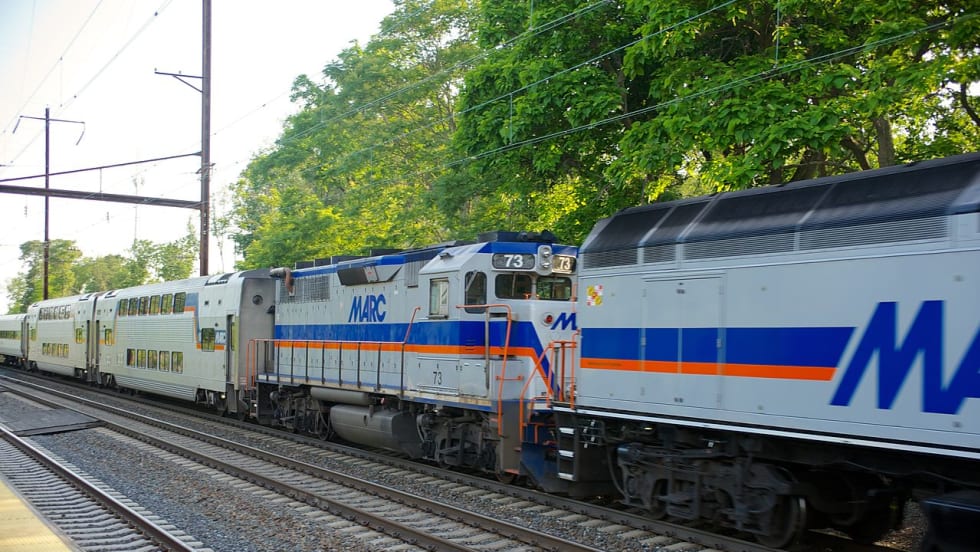
Average weekday ridership on all three MARC lines is roughly 37,500 riders. The MARC III bi-level commuter railcars have been in service nearly 17 years.
Read More →
Highlighted in his report to the Board included fiscal stability with the creation of a Risk Allocation Matrix to deal with future operational deficits and optimization of Metro services and fare media in the coming years.
Read More →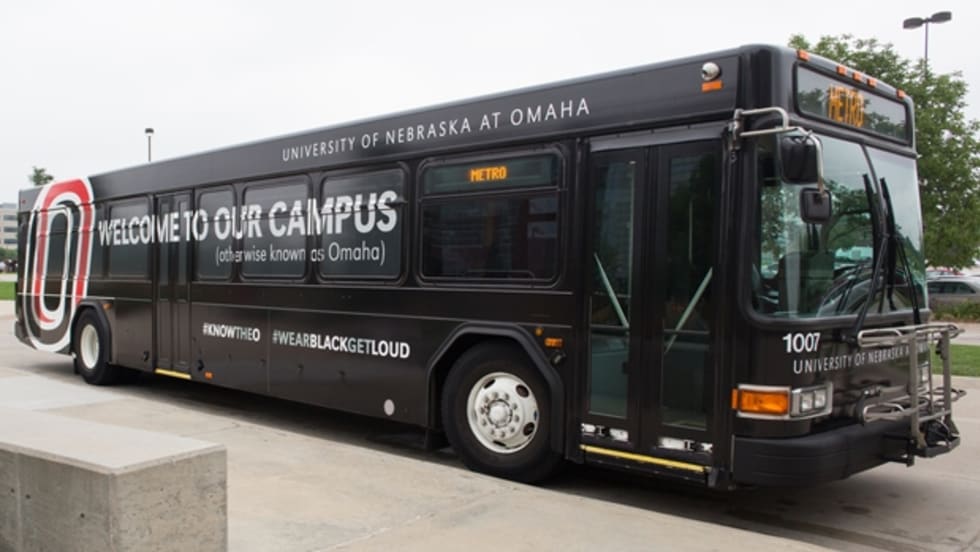
The expansion of UNO’s popular MavRide program will provide bus access to more than 15,000 students and more than 3,000 faculty and staff.
Read More →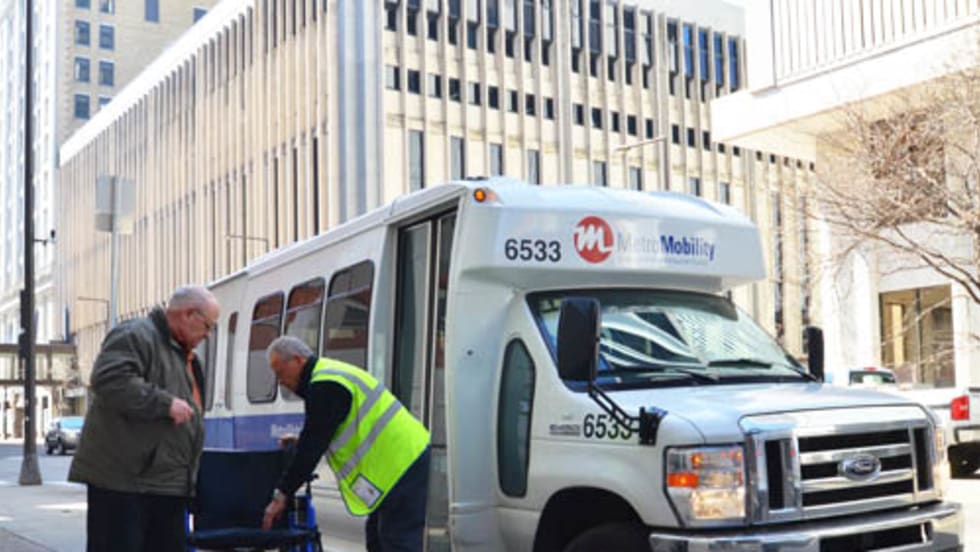
The 8,123 rides on Dec. 3 helped Metro Mobility record its busiest week on record, with an average daily ridership of 7,500.
Read More →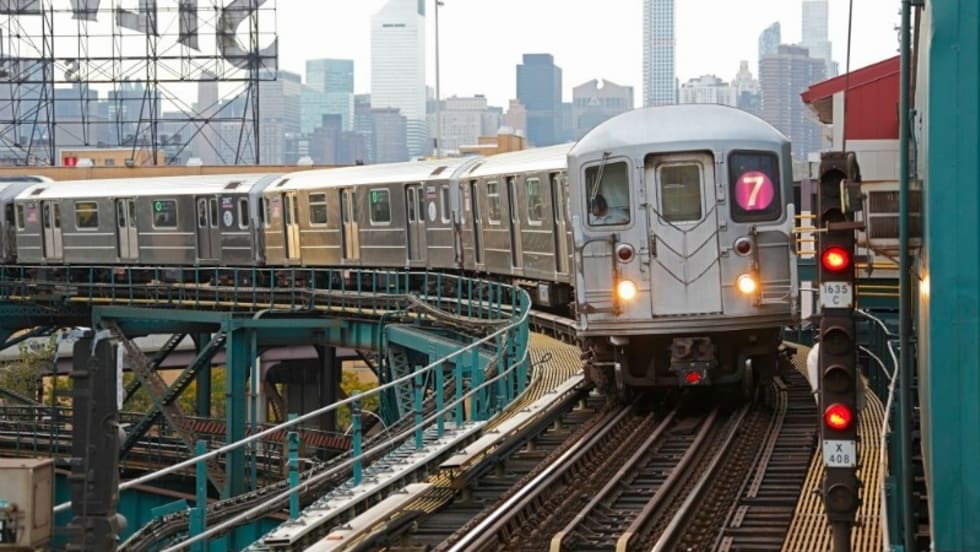
The new record day was one of five days in October when ridership exceeded the prior year’s record, and was one of 15 weekdays with ridership above six million.
Read More →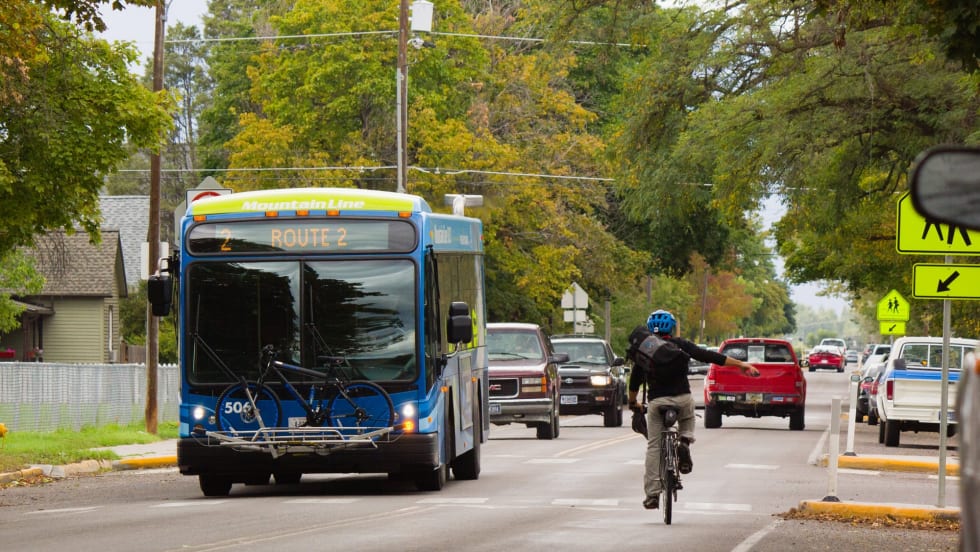
Mountain Line, a public transit service in Missoula, Mont., has seen a 37% increase in ridership since it stopped collecting fares in January of this year.
Read More →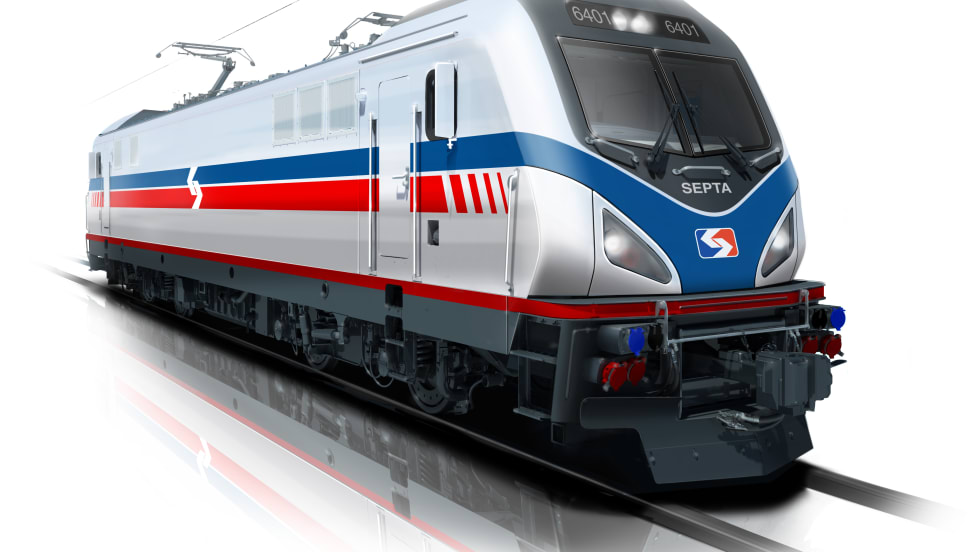
The modern electric locomotives will replace an aging locomotive fleet to support SEPTA’s efforts to expand capacity and provide more efficient and reliable service for its ridership along SEPTA’s regional rail lines.
Read More →