



OCTA to shift bus service to high demand areas to boost ridership
The plan, revised based on strong input from bus riders and the community, is expected to reverse a near-decade trend of declining ridership.

OCTA
OCTA
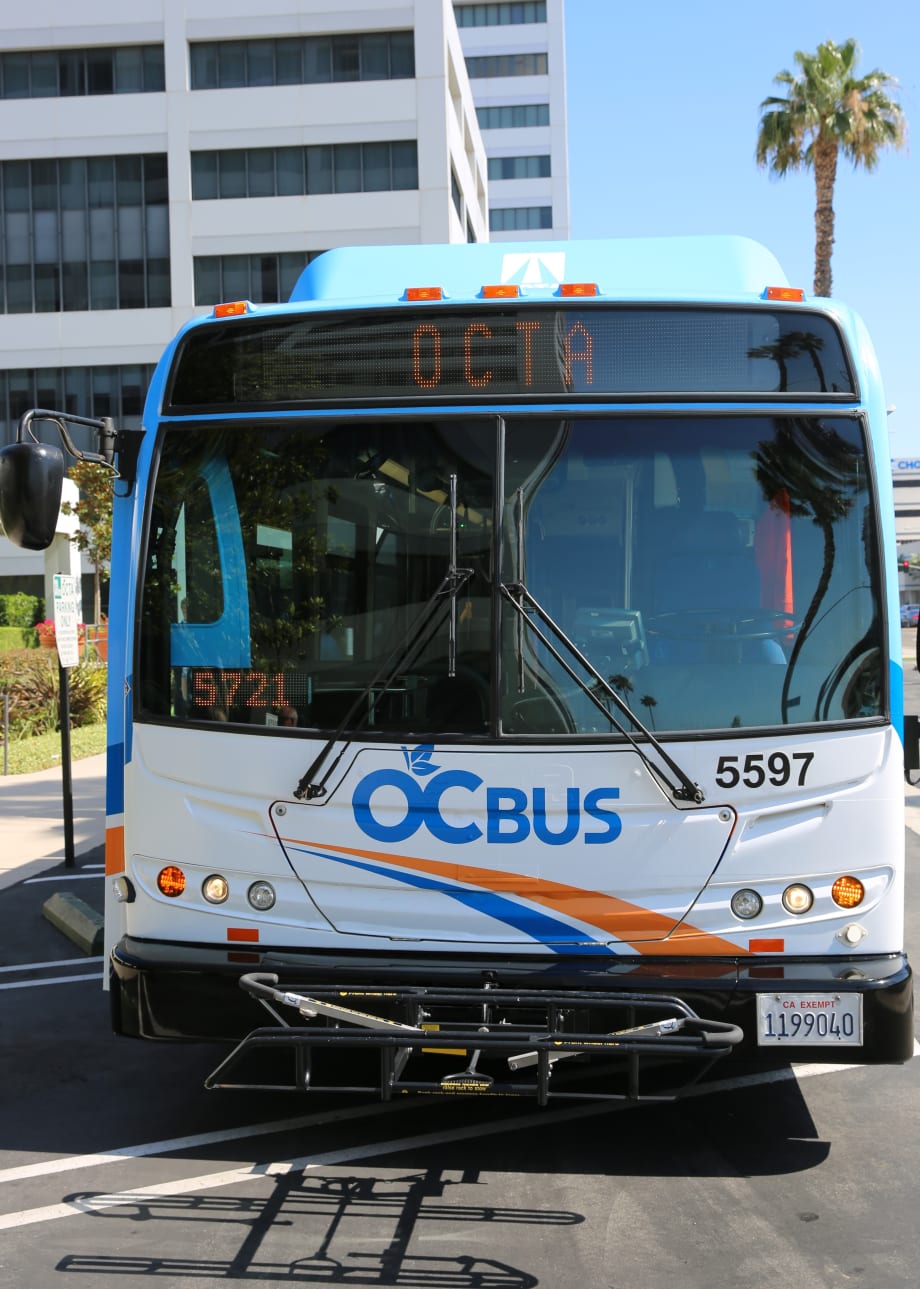
Southern California’s Orange County Transportation Authority (OCTA) will implement a series of changes to its public bus service beginning in June, a move aimed at adding 1.3 million riders over the next three years.
The OCTA Board of Directors unanimously approved recommendations for the 2016 Bus Service Plan at its meeting earlier this week. The plan, revised based on strong input from bus riders and the community, is expected to reverse a near-decade trend of declining ridership. Since 2008, OCTA has lost more than 20 million passengers, a reduction of 30%.
During the last two months, OCTA collected and reviewed extensive public feedback and conducted additional technical analysis of the plan. The approved plan modifies 14 of the 35 bus routes originally proposed for changes. OCTA operates 77 routes.
Among other adjustments, OCTA has approved plans to:
Introduce a new Route 150, covering major portions of Routes 51 and 145 that are being eliminated. This new route will run from Costa Mesa to Santa Ana, providing direct service to Santa Ana College and other nearby schools.
Add new “Bravo!” route and a second “Xpress” route.
Retain Route 87 based on feedback from Saddleback Unified School District. Route 87 runs along Alicia Parkway, providing service from Rancho Santa Margarita to Laguna Niguel.
Extend the hours of the Same-Day Taxi Program for ACCESS users and implement a pilot program to eliminate the $3.60 transfer cost between the same-day taxi and the regular ACCESS service.
The fundamental strategy of the plan is to shift service from low-performing routes to areas where there is higher demand. It’s an effort to better meet the community’s needs by matching limited funding with ridership demand. The plan aims to strike a balance between providing efficient and convenient service, while being as cost-effective as possible.
OCTA will begin implementing the recommendations in June following an extensive public-outreach campaign to ensure riders are aware of the upcoming changes.
More Bus

New York MTA Plans Largest Bus Fleet Upgrade in More Than a Decade
The agency is seeking manufacturers for 650 new CNG buses to replace aging vehicles, improve reliability, and advance its broader fleet modernization strategy.
Read More →
Building a Flexible Path to Transit Electrification
John Hroncich discusses BAE Systems’ modular and scalable approach, lessons learned from decades of real-world operations, and how agencies can identify electrification strategies that fit their fleets.
Read More →
Bus Tech Talk: Keeping Transit Technicians Ahead of the Technology Curve
LA Metro’s Obed Mejia discusses technician training, evolving maintenance technology, fleet replacement, and strategies for getting the most out of today’s transit fleets.
Read More →
Biz Briefs: RIPTA Unveils New Frontrunners, Clevland RTA Adds New Siemens, and More
In METRO's latest installment, we take a look at recent news from Siemens, Prevost, Dodge, and more partnerships making headlines across the transportation sector.
Read More →
People Movement: Holly Arnold Joins Transdev and More
In this edition, we also cover recent appointments and announcements at Pace, CamTran, MCI, and more, showcasing the individuals helping to shape the future of transportation.
Read More →
The High Cost of Transit Buses: Industry Leaders Look to Procurement Reform
Transit leaders and policymakers examine how standardized bus designs, streamlined procurement, and predictable funding could help agencies stretch budgets and deliver better service.
Read More →
The Business Voice Behind Public Transportation
As chair of APTA’s Business Members Board of Governors, Ray Melleady explains how more than 850 business members are partnering with transit agencies to advance funding, innovation, and industry-wide collaboration.
Read More →
From Surviving to Thriving: Building Stronger Transportation Organizations
Bus Business Consultants founder Brian Dickson shares lessons on leadership, organizational health, and creating options for long-term success in a changing transportation industry.
Read More →
Finding the ‘Happy Medium’: Optimizing Maintenance Without Sacrificing Reliability
The key to maintenance optimization isn’t doing less work—it’s doing the right work at the right time on the right assets.
Read More →
LA Metro, City of West Hollywood, and Partners Advance Smarter Bus Lane Enforcement
The award-winning partnership combines AI-powered detection with human oversight to improve bus reliability, accessibility, and enforcement efficiency.
Read More →