
Metro Magazine

 MENU
MENU SEARCHMENUSEARCH
Loading data...
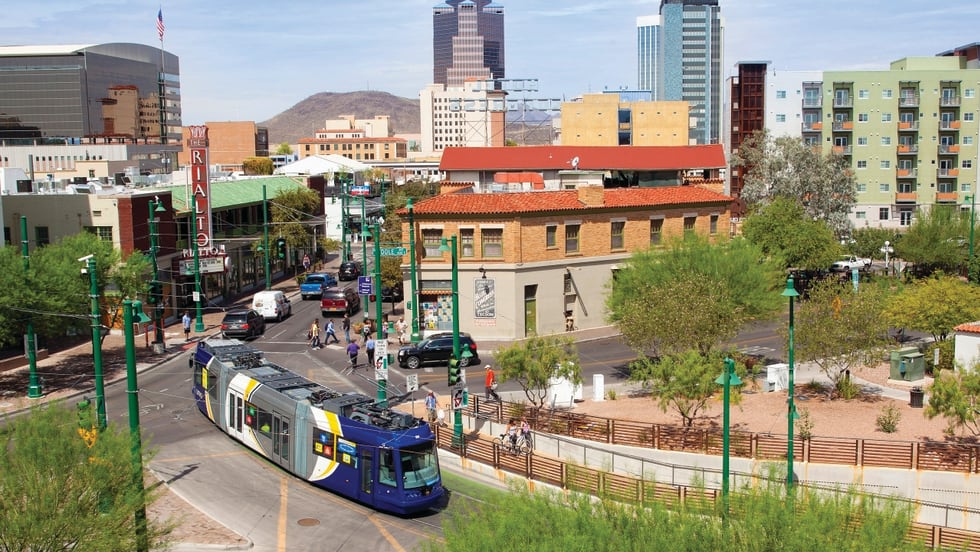
Newer generation batteries are spill-proof, eliminating the added costs and risks of traditional flooded lead-acid batteries, while also providing high vibration resistance and flexible orientation.
Read More →

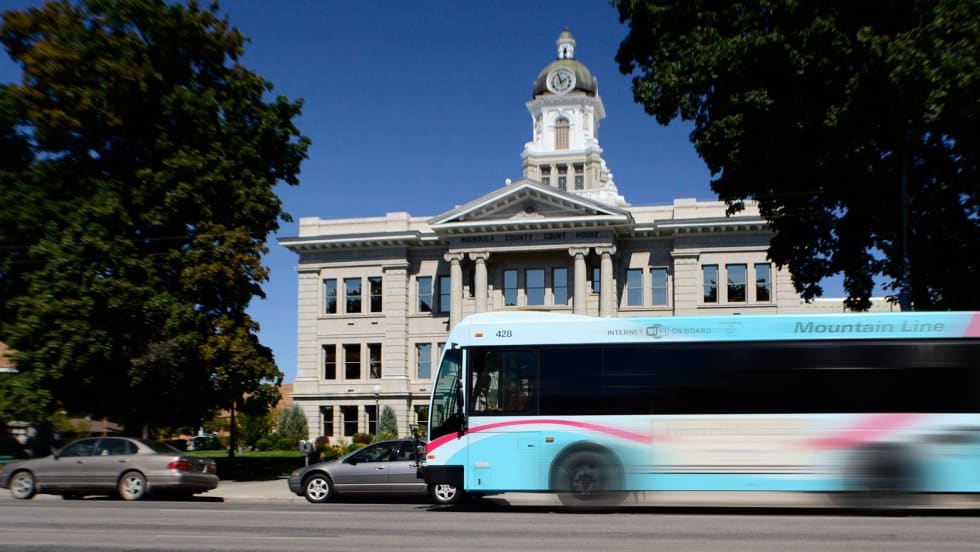
Watch as the final wool seats are removed from a Bay Area Rapid Transit District train car and customers say their goodbyes. BART has now changed every seat on every train car, replacing the wool material with easy-to-clean vinyl.BART utility workers yanked out the last grimy seat on December 30, 2014 and replaced it with pristine vinyl under the watchful eyes of a few interested reporters and to the delight of tens of thousands of BART riders.
Read More →Dan Grabauskas, HART’s executive director/CEO blames higher construction costs, as well as the costs associated with legal delays and other factors, for the potential increase.
Read More →It expected the program will increase ridership by 45%, reduce operating costs, and speed-up boarding times, according to the report.
Read More →System saves MTR two days a week of wrangling over the repair schedule. Also, repair teams now have 30 minutes longer to finish their night's work — a small time boost that saves MTR $800,000 a year.
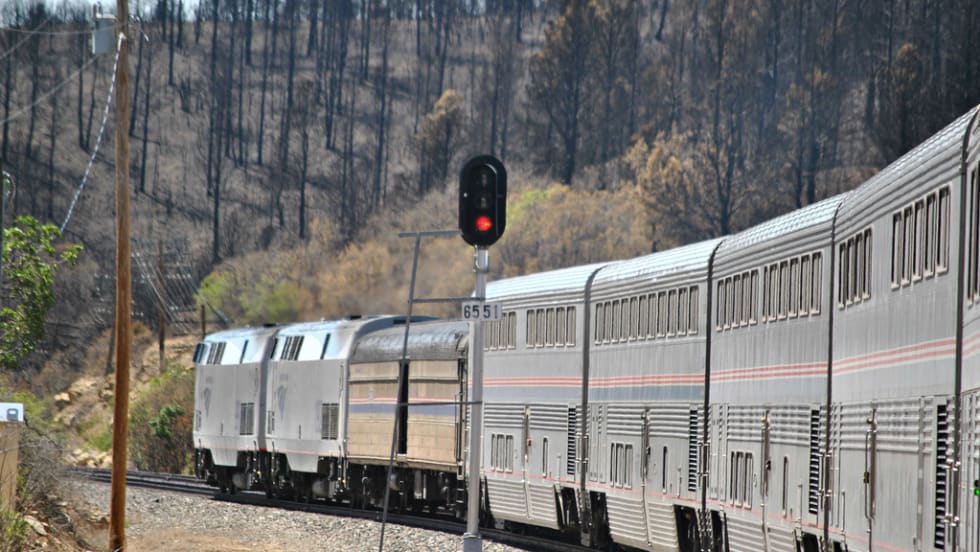
Read More →The Southwest Chief's route might be changed, causing some communities to lose passenger service if the rail operator can't reach a new deal with Burlington Northern Santa Fe.
Read More →The Location Affordability Portal will help consumers and communities better understand the combined costs of housing and transportation associated with living in a specific region, street or neighborhood and make better-informed decisions about where to live, work and invest.
Read More →Combined planners of the RTA, Chicago Transit Authority, Metra, Pace and the Chicago Metropolitan Agency for Planning cost the region up to $20 million.
Read More →Reduction is due to CTA making better efforts to manage frequent causes of absenteeism such as sick leave and job-related injuries. The changes are set to save the transit system more than $10 million compared to 2011.
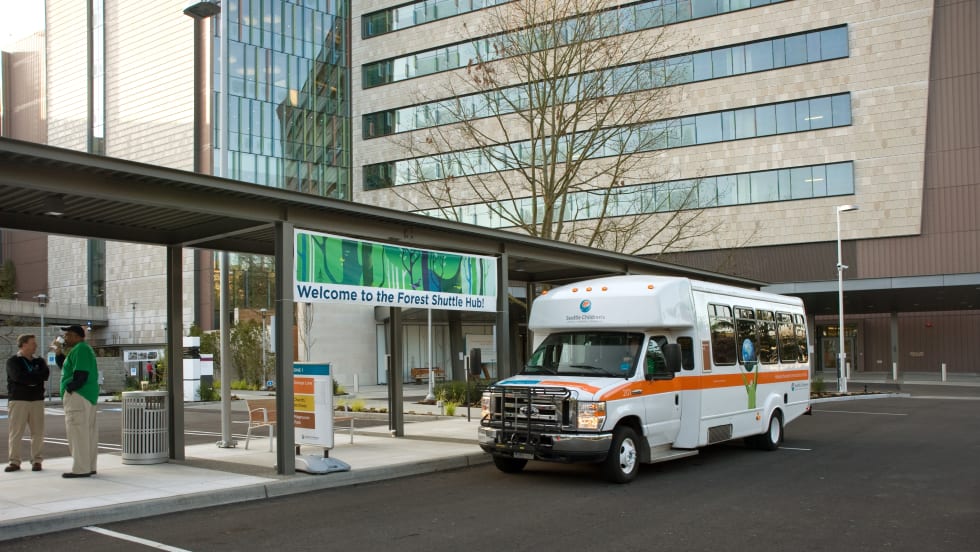
Read More →Sees an estimated savings of $5,000 to $6,000 a year in maintenance costs alone on the 15 bi-fuel shuttles, and has reduced its fuel spent by 50% compared with gasoline.
Read More →