



Chicago transit absenteeism drops 22% over last 2 years
Reduction is due to CTA making better efforts to manage frequent causes of absenteeism such as sick leave and job-related injuries. The changes are set to save the transit system more than $10 million compared to 2011.

Employee absenteeism rates at the Chicago Transit Authority (CTA) have dropped dramatically in 2012 and 2013 due to new management initiatives aimed at reducing unnecessary time off.
The reduced absenteeism — due to better management of frequent causes of absenteeism such as sick leave and job-related injuries — is on pace to save the CTA more than $10 million compared to 2011. That year, the CTA bore $40 million in additional costs due to absenteeism, but the new strategies for curbing absenteeism have reduced that to below $30 million a year.
“We have taken a number of steps to ensure that we keep absenteeism down, which saves the agency money and ultimately helps us provide the best service possible to CTA customers,” said CTA President Forrest Claypool.
The first six months of 2013 showed an average, agency-wide absenteeism rate of 5.5%, compared to 6.4% in 2012 (a reduction of 13%) and 7.1% in 2011 (a total reduction of 22.2%). So far in 2013, CTA has seen 72,024 days of work absences compared to 77,150 for the first six months of 2012 and 88,320 in the first six months of 2011.
May and June of 2013 showed among the lowest rates of absenteeism in recent agency history, with the overall rate falling to below 5%.
All major drivers of absenteeism are down in the first six months of 2013 compared to the first six months of 2011: days lost to injuries are down 25.1% and sick time is down 17.6%. All of CTA’s largest departments saw drops in absenteeism, including bus and rail operations, bus and rail maintenance, and administration.
In March and April of 2012, the CTA implemented a number of management initiatives designed to better track, analyze and address absenteeism — including closer reviews of time-off claims, consistent discipline for not following rules, and improved safety training to help avoid injuries. Additionally, managers are now held accountable for not addressing employees who are abusing the system, or for not consistently addressing absenteeism cases.
CTA has cracked down on employees taking sick days on Mondays and Fridays, as well as warm weather or snowy/extremely cold weather days. CTA's efforts have reduced that practice, Claypool said, but there is still additional room for addressing the issue even more consistently and swiftly.
CTA also expanded safety training for employees, with a focus on avoiding injuries by using proper techniques to lift, climb and perform other physical activities, as well as analyzing and re-enacting events that led to injuries.
“In the same way we work to ensure our trains and buses are operated in the most efficient and cost-effective way, we are taking steps to ensure that our absenteeism is managed effectively,” Claypool said. “Our goal is to ensure that employees are taking time off for legitimate reasons and that we limit unnecessary absenteeism, which both burdens the employees who are following the rules and affects the service our customers rely on.”
Lower absenteeism leads to cost savings for the CTA, because the agency can avoid paying for additional bus drivers and train operators to fill in for absent employees.
More Bus

From Surviving to Thriving: Building Stronger Transportation Organizations
Bus Business Consultants founder Brian Dickson shares lessons on leadership, organizational health, and creating options for long-term success in a changing transportation industry.
Read More →
Finding the ‘Happy Medium’: Optimizing Maintenance Without Sacrificing Reliability
The key to maintenance optimization isn’t doing less work—it’s doing the right work at the right time on the right assets.
Read More →
LA Metro, City of West Hollywood, and Partners Advance Smarter Bus Lane Enforcement
The award-winning partnership combines AI-powered detection with human oversight to improve bus reliability, accessibility, and enforcement efficiency.
Read More →
PSTA Modernizes Workforce Management with Digital Bidding System
The award-winning Workforce Transit Modernization project replaced paper bidding with a transparent digital platform, cutting administrative effort while improving access for operators.
Read More →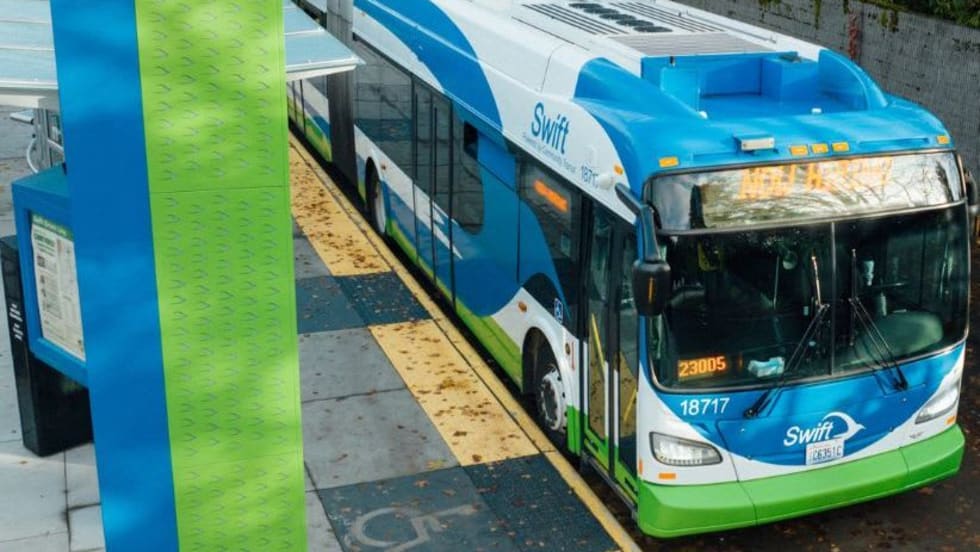
Washington's Community Transit Sets Six-Year Roadmap for Growth, Expansion
Approved TDP targets more bus service, new mobility options, Swift BRT expansion, and a potential Everett Transit annexation.
Read More →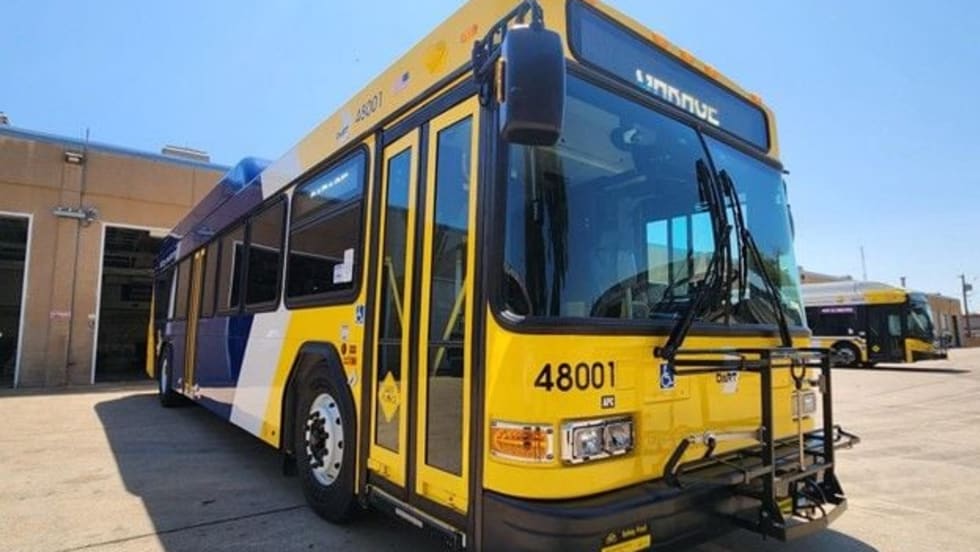
DART Customer Satisfaction Reaches Six-Year High
Overall satisfaction rose to 74.9%, while the agency’s Net Promoter Score reached a record 33.7.
Read More →
How DART's GoPass Is Redefining Regional Mobility
Serving 14 transit agencies, GoPass simplifies multimodal travel by allowing riders to plan, pay for, and manage an entire trip through one app.
Read More →
Biz Briefs: OCTA Taps Clean Energy for Hydrogen Station, Stadler to Supply Via Rail Vehicles, and More
From manufacturers and suppliers to transit agencies and motorcoach operators, these updates offer a snapshot of the projects, partnerships and business moves driving the industry forward.
Read More →
METRO Magazine Announces 2026 Innovative Solutions Awards Winners
Projects Recognized for Advancing Mobility Through Technology, Accessibility, Workforce Innovation, and Operational Excellence
Read More →
Biz Briefs: STV teams with Amtrak, Motorcoach Operators Boost Fleet and Land Contracts, and More
From manufacturers and suppliers to transit agencies and motorcoach operators, these updates offer a snapshot of the projects, partnerships and business moves driving the industry forward.
Read More →