
Metro Magazine

 MENU
MENU SEARCHMENUSEARCH
Loading data...

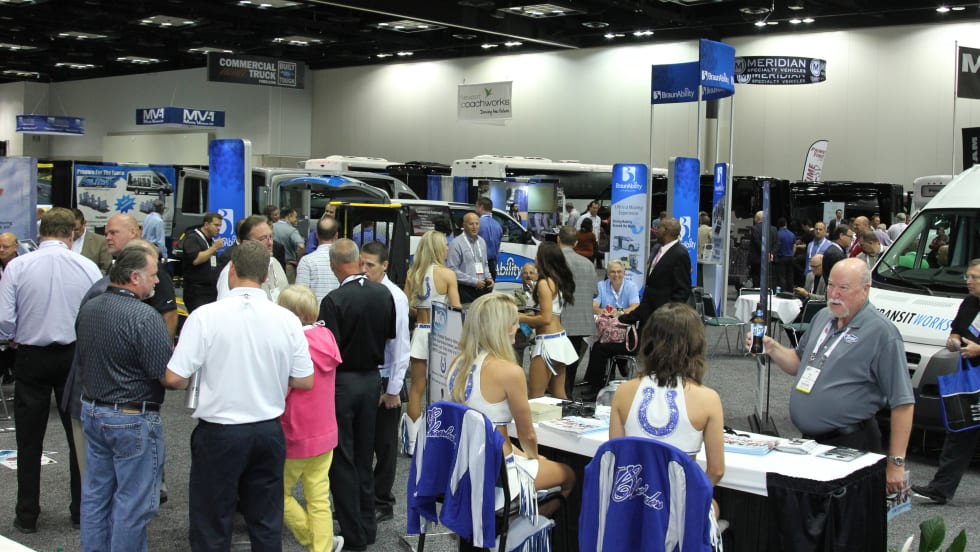
Awards handed out during the Breakfast Awards Ceremony honor fleets around the U.S. and Canada for innovative initiatives, domestic propane autogas usage and ongoing support for the medium-sized vehicle industry.
Read More →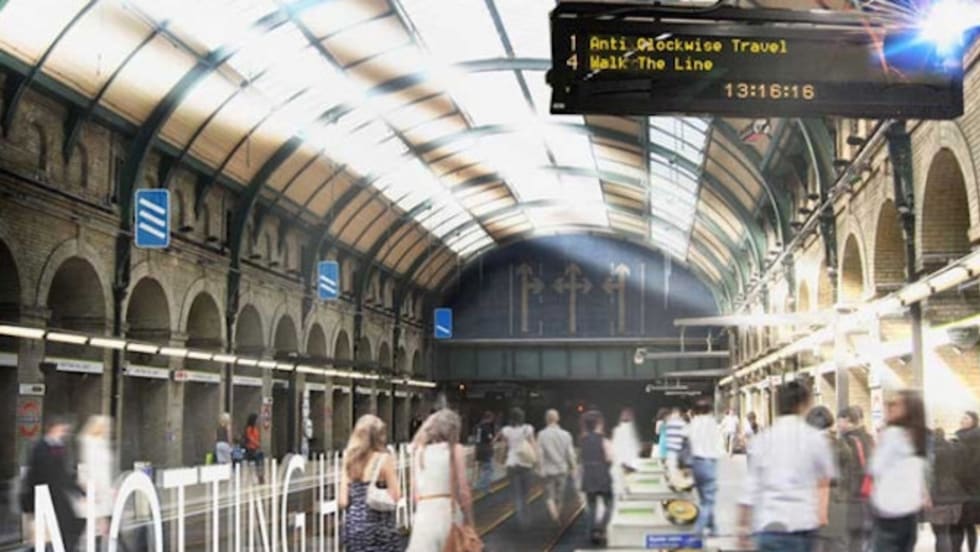

Passengers would step from “feeder” walkways moving at 3mph onto a yellow “slow lane” going at the same speed through stations but accelerating to 6mph and then 9mph in lit tunnels.
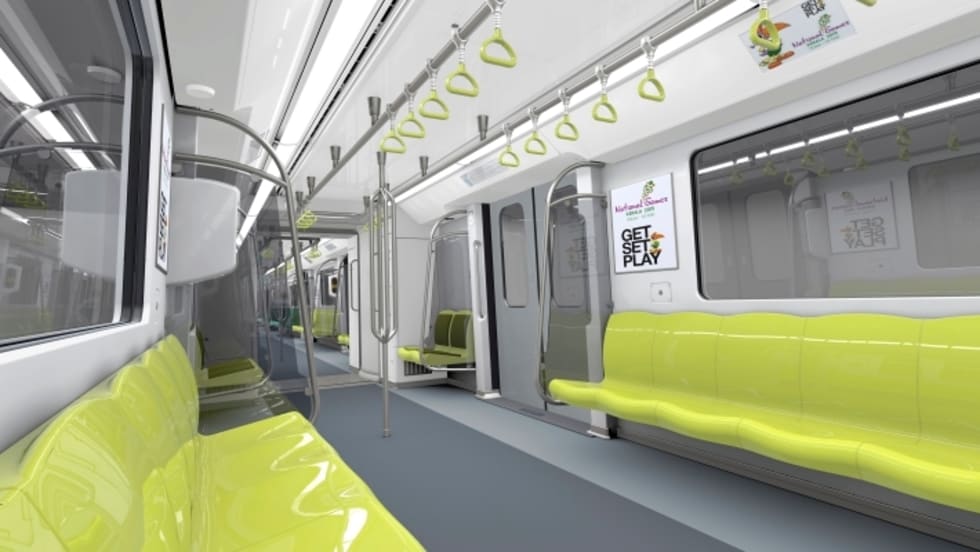
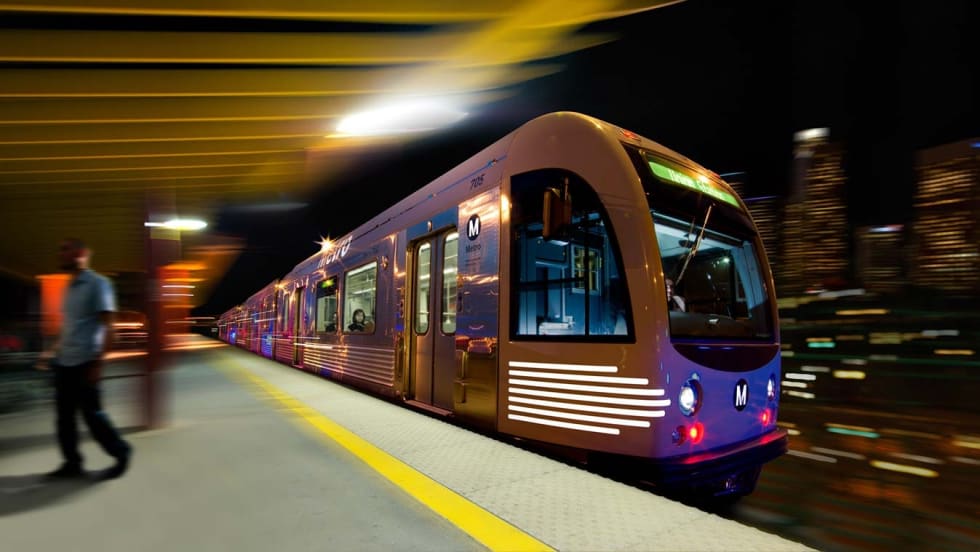
Read More →The 213-foot train, composed of 3 cars, has an open gangway allowing passengers to walk from one end of the train to the other. The interior provides a feeling of serenity and security with sections marked in two bright, harmonious colors: green turquoise and lemon used for the seats and the handles, according to the company.
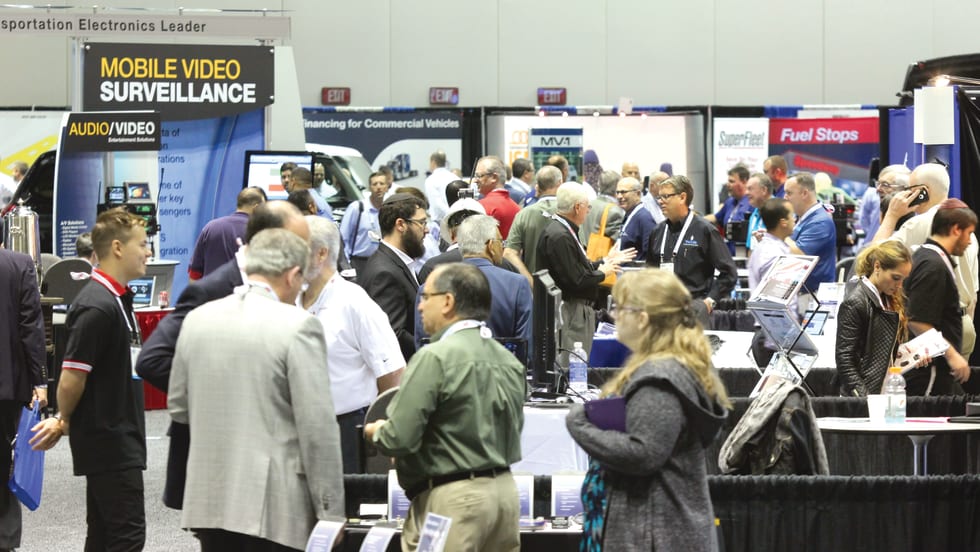
Read More →This year’s expo, being held Sept. 28 to 30, continues to be the best place for the entire bus industry to see the growing vehicle and technology options on the market, as well as take part in a top-notch educational program and plenty of networking opportunities.
Read More →The extensive exhibitor list includes nearly 48 new companies that are involved with everything from bus parts and seating to software and alternative fuel solutions.
Read More →The small OEI team will consult with some of the best and brightest minds in local, national and international academia, along with those in the nation’s transportation and policy think tanks and senior transportation veterans.
Read More →Models coming on the market or in development can climb stairs, turn tight corners, make their way over trails, and are lighter and easier to maneuver than earlier generations.
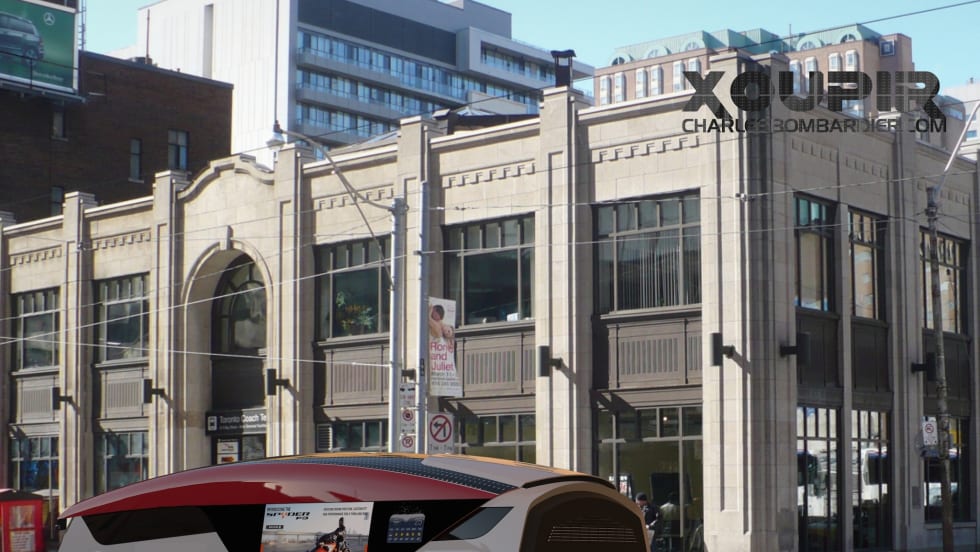
Read More →The Xoupir (pronounced "super") is a fully-electric bus powered by wireless electricity, with four rear wheels to provide extra traction.
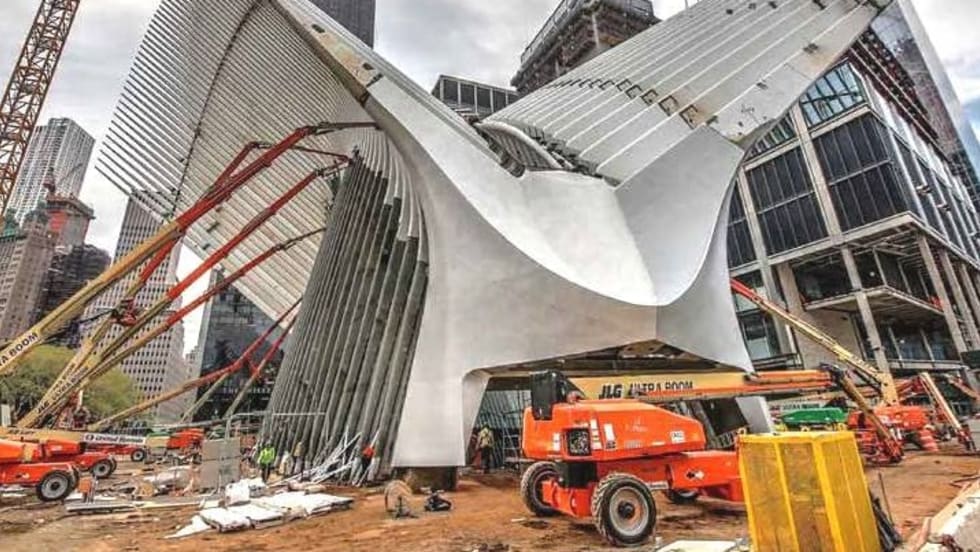
Read More →The state-of-the-art World Trade Center Transportation Hub, when completed in 2015, will serve over 200,000 daily commuters and millions of annual visitors from around the world. At approximately 800,000 square feet, the Hub, which features a wing-like "Oculus” design, will connect visitors to 11 different subway lines, the Port Authority Trans-Hudson (PATH) rail system and Battery Park City Ferry Terminal.
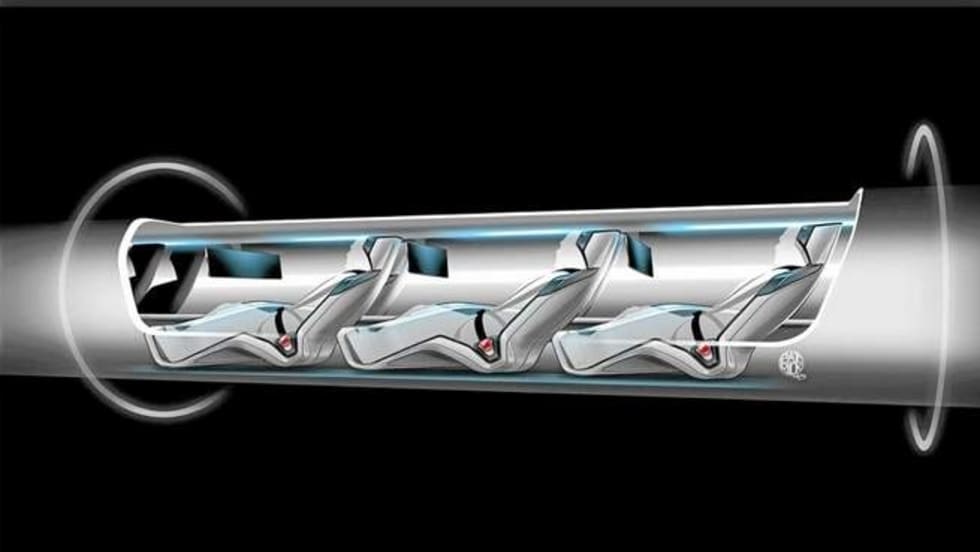
Read More →From a design standpoint, one of the biggest challenges is how to integrate Hyperloop stations into the urban environment so people can travel to and from them quickly without waiting before boarding and take off like they do at airports, according to the report.
Read More →