
Metro Magazine

 MENU
MENU SEARCHMENUSEARCH
Loading data...
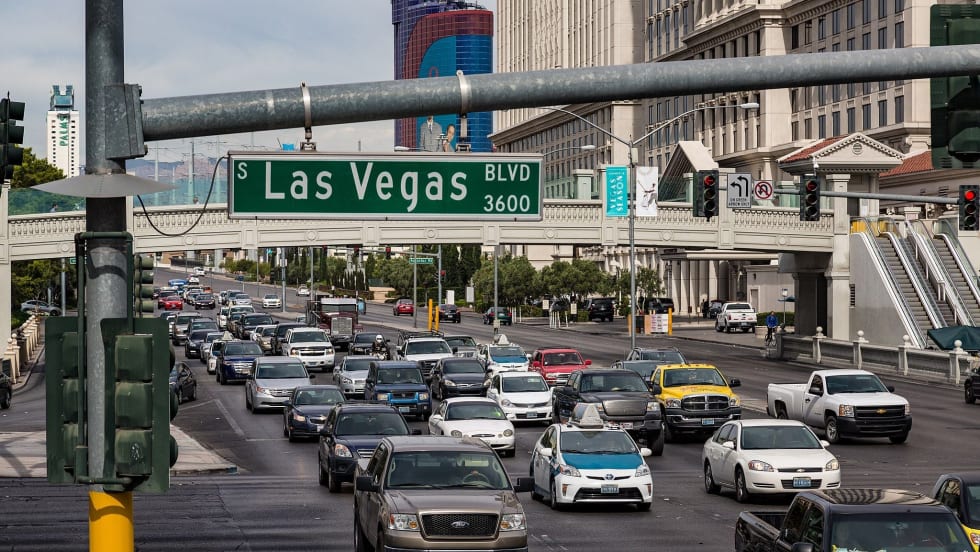
The Internet of Things and evolution of smart cities means that transportation is primed to undergo some rapid and disruptive changes in the near future.
Read More →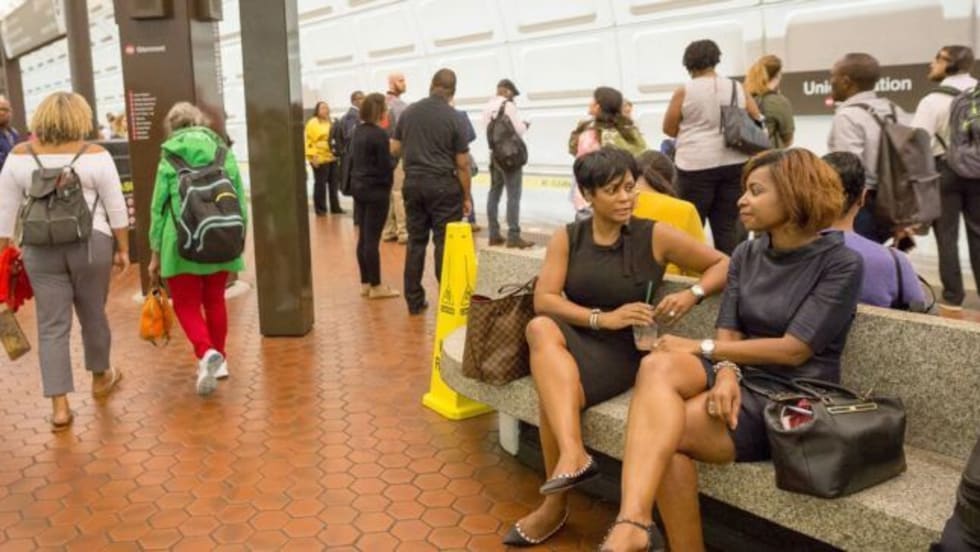
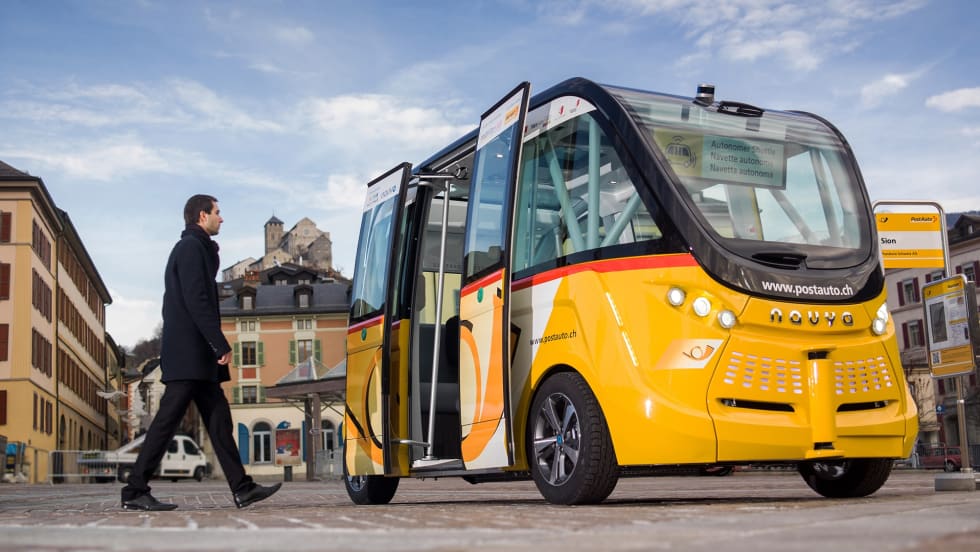
Public transit options haven't provided commuters with enough first-mile/last-mile solutions, but a driverless shuttle could be what wins drivers over.
Read More →Without a concurrent shift away from private vehicle ownership and toward ride sharing, the potential for electric, autonomous vehicles to reduce traffic and sprawl are severely limited.
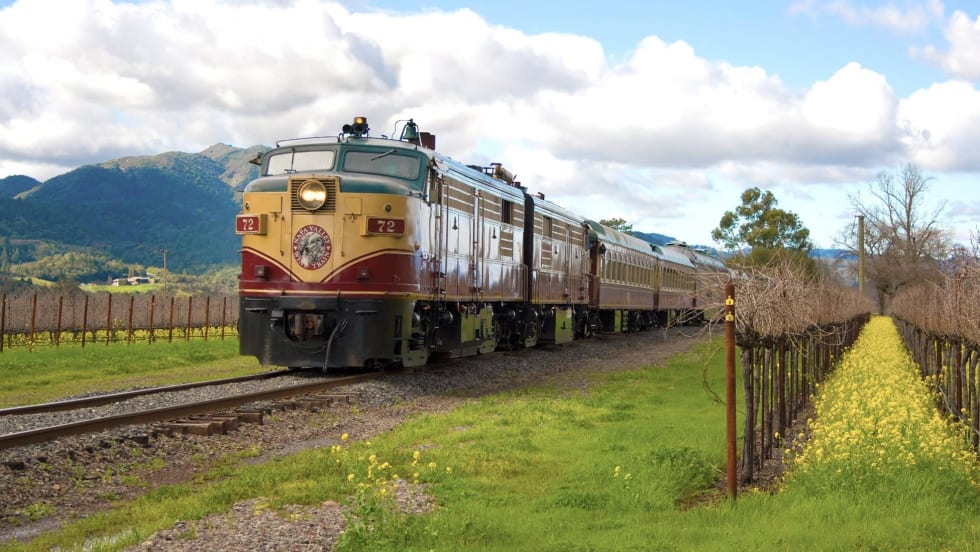
Read More →A commuter train would be designed to take off the road at least some of the 25,000 to 68,000 vehicles that travel various sections of Highway 29 each day.
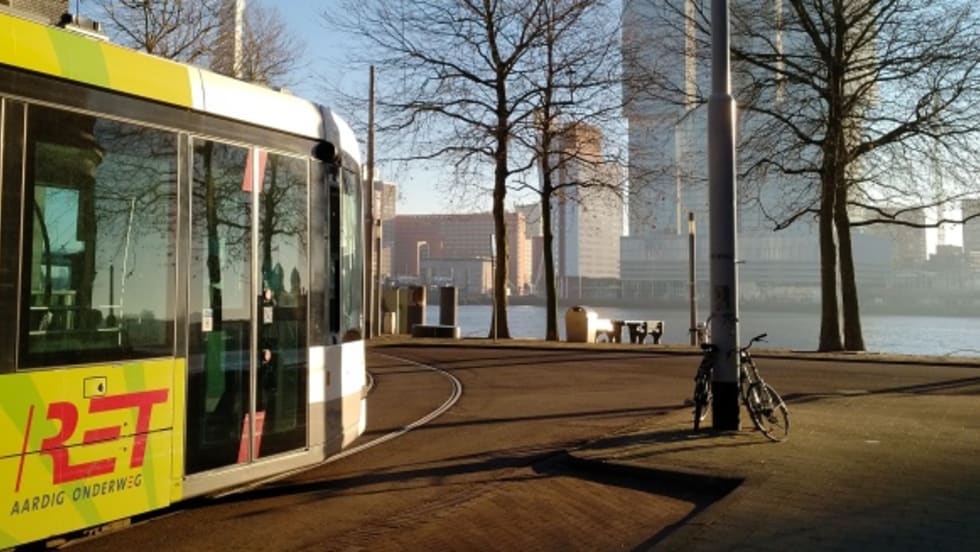
Read More →There is much more to the Dutch vision of transport than the somewhat shocking prevalence of bicycles being used by all types of people throughout the city.
Read More →Choice Connections and Curb the Congestion target large employers and most-congested corridors, and recognize individuals who use transportation options.
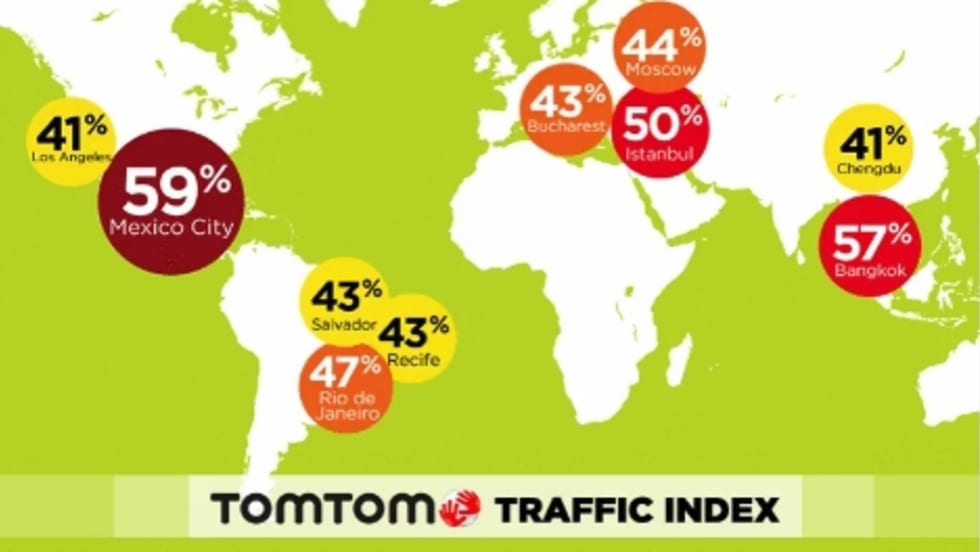
Read More →Drivers in the Mexican capital can expect to spend on average, 59% extra travel time stuck in traffic anytime of the day, and up to 103% in the evening peak periods.
Read More →Beginning March 21, the City of Altamonte Springs will pay for 20% of all Uber trips that begin and end within city limits. In addition, to encourage SunRail use, the city will subsidize 25% of all trips starting or ending at the Altamonte Springs SunRail station.
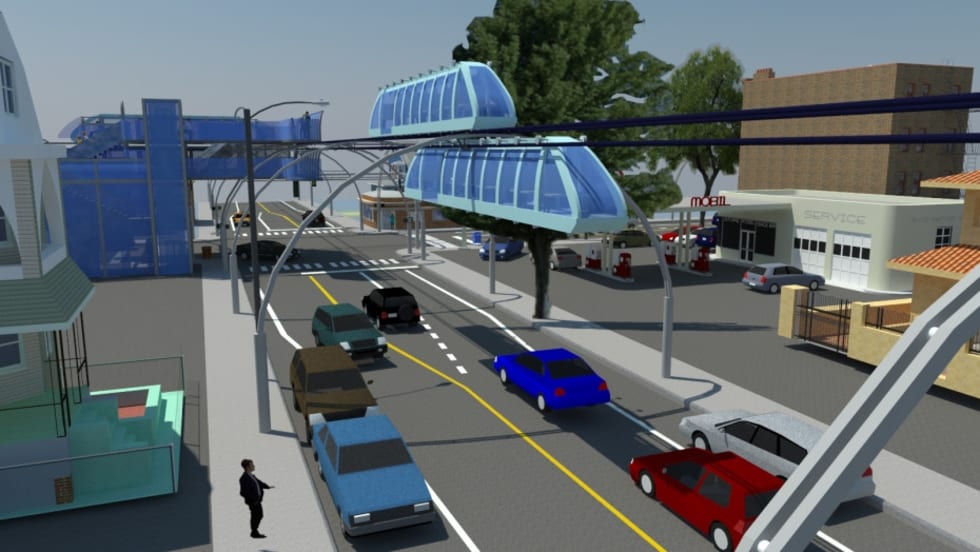
Read More →The C-train concept, developed by Jacob Innovations, is an automated mass transit mode of elevated lightweight trains with seating room only. The design eliminates need for depots - via capability to travel on upper and lower wheels by switching vertically between tracks and be stored vertically above the tracks. The cTrain system can be built quickly and cheaply with exiting technologies.
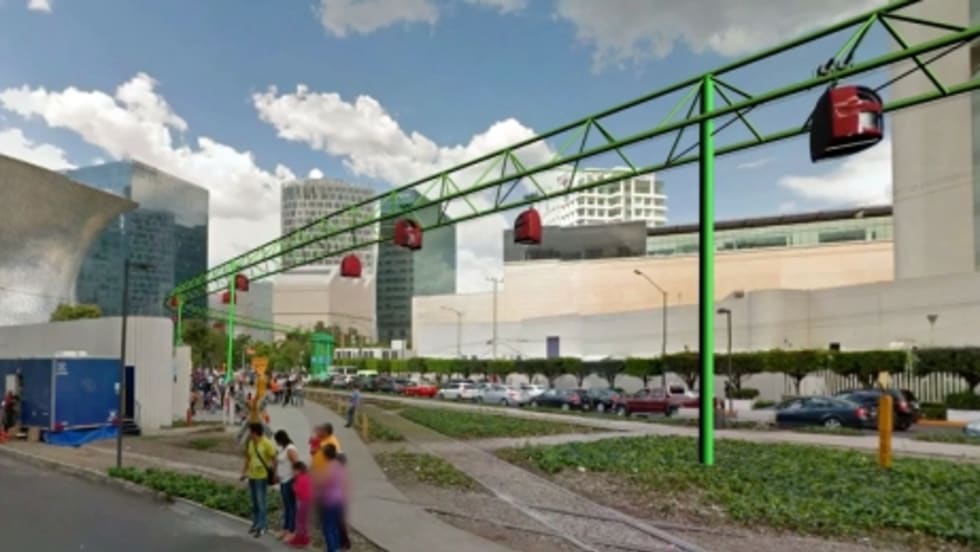
Read More →The system, known as the “Personalized Elevated Urban Transport” (or TUEP in Spanish), promises to move some 37 million people across the city each year, and up to 200 million if the system is extended to longer distances.
Read More →