




RELATED: [Photos] Mexico City subway system
Mexico City is 'Most Traffic Congested City' in world
Drivers in the Mexican capital can expect to spend on average, 59% extra travel time stuck in traffic anytime of the day, and up to 103% in the evening peak periods.
March 29, 2016
TomTom
3 min to read
TomTom
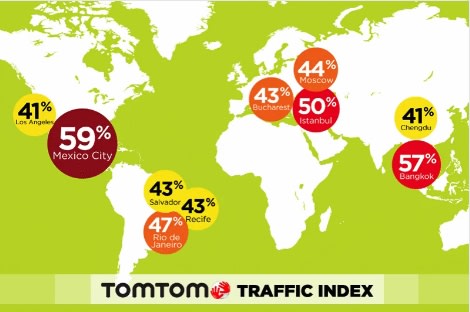
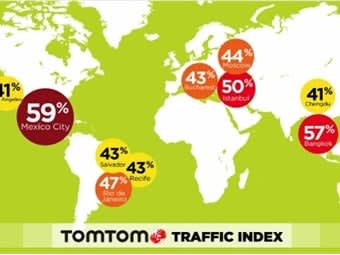
Mexico City has taken the top spot as the city with the most traffic congestion, according to a new report. Drivers in the Mexican capital can expect to spend on average, 59% extra travel time stuck in traffic anytime of the day, and up to 103% in the evening peak periods versus a free flow, or uncongested, situation — adding-up to 219** hours of extra travel time per year, per the results of the TomTom Traffic Index 2016 released by TomTom (TOM2).
Next in the rankings are Bangkok (57%), Istanbul (50%), Rio de Janeiro (47%), and Moscow (44%), making up the top five most congested cities in the world.
Using data from 2015, the Traffic Index looks at the traffic congestion situation in 295 cities in 38 countries on six continents — from Rome to Rio, Singapore to San Francisco. TomTom works with 14 trillion data points that have been accumulated over eight years.
Congestion Up, Globally
Looking at the company’s historical data, it’s clear that traffic congestion is up by 13% globally since 2008. But, interestingly, there are shocking differences between continents. While North America’s traffic congestion has increased by 17%, Europe as has only increased by 2%. It could be suggested that this points to economic growth in North America, and Economic depression in the rest of Europe. This European figure could be heavily influenced by Southern European countries such as Italy (-7%) and Spain (-13%) where there has been a marked drop in traffic congestion in the past eight years.
“We really want everybody to think about how they can lower the amount of time they waste in traffic every day – and to realise that we all need to play a part," said Ralf-Peter Schaefer, VP TomTom Traffic. "If even just five percent of us changed our travel plans, we’d improve travel times on our major highways by up to thirty per cent***. Collectively, we can all work together to beat traffic congestion.”
TomTom
People can find out more about the TomTom Traffic Index, and discover where their home city ranks at www.tomtom.com/trafficindex. There’s also helpful advice on beating traffic congestion, as well as independent analysis. And, for the first time, a selection of ‘Profile Cities’ provide insight into what they are doing to improve mobility.
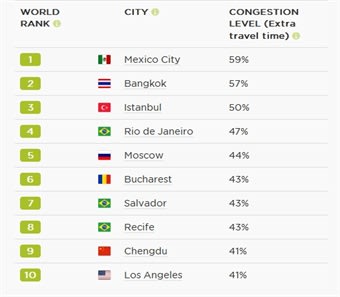
Ranking of the most congested cities globally in 2015 (Overall daily congestion level – extra travel time – population over 800,000):
1 | Mexico City | 59% | 6 | Bucharest | 43% |
2 | Bangkok | 57% | 7 | Salvador | 43% |
3 | Istanbul | 50% | 8 | Recife | 43% |
4 | Rio De Janeiro | 47% | 9 | Chengdu | 41% |
5 | Moscow | 44% | 10 | Los Angeles | 41% |
Ranking of the most congested cities in Europe in 2015 (Overall daily congestion level – extra travel time – population over 800,000):
1 | Moscow | 44% | 6 | London | 38% |
2 | Bucharest | 43% | 7 | Marseille | 38% |
3 | Saint-Petersburg | 40% | 8 | Manchester | 37% |
4 | Warsaw | 38% | 9 | Athens | 36% |
5 | Rome | 38% | 10 | Paris | 36% |
Ranking of the most congested cities in North America in 2015 (Overall daily congestion level – extra travel time – population over 800,000):
1 | Mexico City | 59% | 6 | Seattle | 31% |
2 | Los Angeles | 41% | 7 | San Jose | 30% |
3 | San Francisco | 36% | 8 | Honolulu | 29% |
4 | Vancouver | 34% | 9 | Toronto | 28% |
5 | New York | 33% | 10 | Miami | 28% |
*Since 2008 when TomTom’s records started
** Extra travel time during peak hours compared to an hour of driving during free flow conditions, multiplied by 230 working days per year
*** Reference: https://people.hofstra.edu/geotrans/eng/methods/highwaysfd.html
More Technology
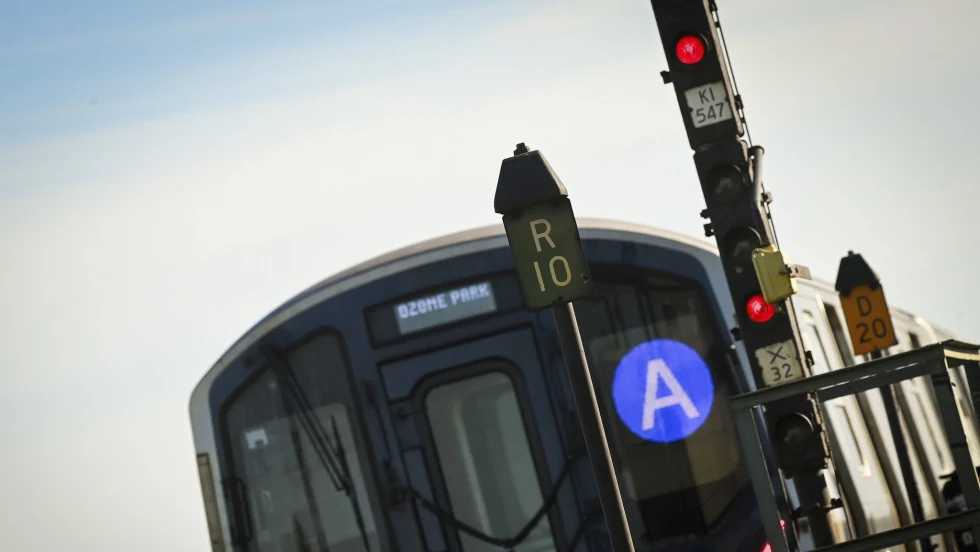
New York MTA Launches Historic $1.9B Signal, Track Modernization Project
Funded in part by congestion pricing revenue, the project will replace nearly century-old signals along the A and C lines in Brooklyn and Queens.
Read More →
Biz Briefs: New Electric Offering from Alexander Dennis/Volvo, Transdev in Boston, and More
In METRO's latest installment, we also take a look at recent news from STV, WSP, Prevost, and more partnerships making headlines across the transportation sector.
Read More →
Roman Cornell on ABC Companies’ Evolution and the Future of Passenger Transportation
The company’s CEO discusses carrying forward a third-generation family legacy, ABC’s continued evolution in passenger transportation, support for increasingly complex fleets, and how technology and continued investment could help operators improve uptime.
Read More →
ETA CEO John Maglio on Transit Technology, Innovation, and Building Agency Trust
ETA founder and CEO John Maglio explores the evolution of transit technology, the importance of reliable systems, and how stronger partnerships can help agencies improve operations and the passenger experience.
Read More →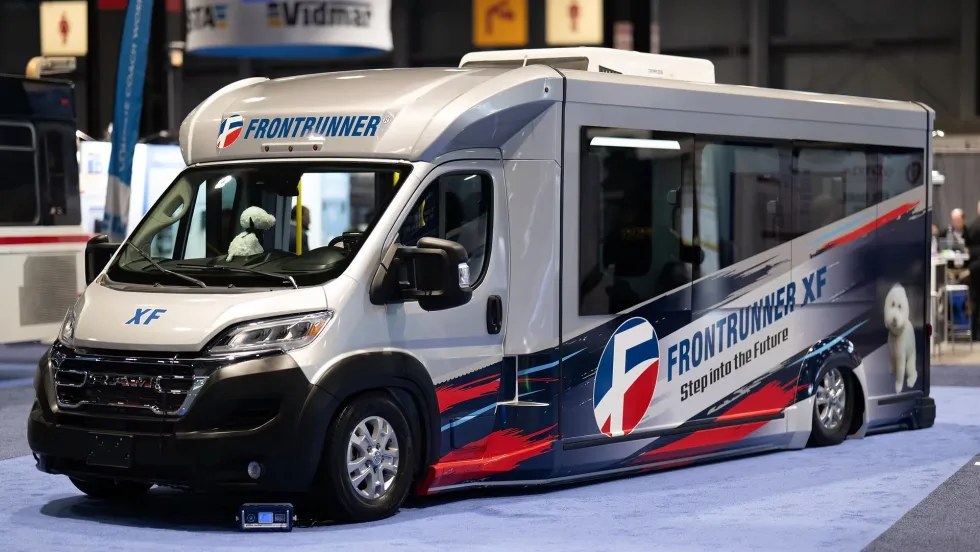
Frontrunner Bus Group Introduces XF Low-Floor Bus with Enhanced Accessibility
The new mid-sized bus features a full flat-floor design, eight-inch curbside step-in height, and zero-entry rear ramp to improve passenger access and operational flexibility.
Read More →
Building a Flexible Path to Transit Electrification with BAE's John Hroncich
John Hroncich discusses BAE Systems’ modular and scalable approach, lessons learned from decades of real-world operations, and how agencies can identify electrification strategies that fit their fleets.
Read More →
Scenes from APTA TRANSform & EXPO 2026
Transit leaders, manufacturers, and industry professionals gathered in Chicago to explore new technologies, share ideas, and discuss the future of public transportation.
Read More →
Biz Briefs: New Flyer Secures Additional 100-Bus Order from WMATA and More
In METRO's latest installment, we also take a look at recent news from Masabi, MCI, Samsara, and more partnerships making headlines across the transportation sector.
Read More →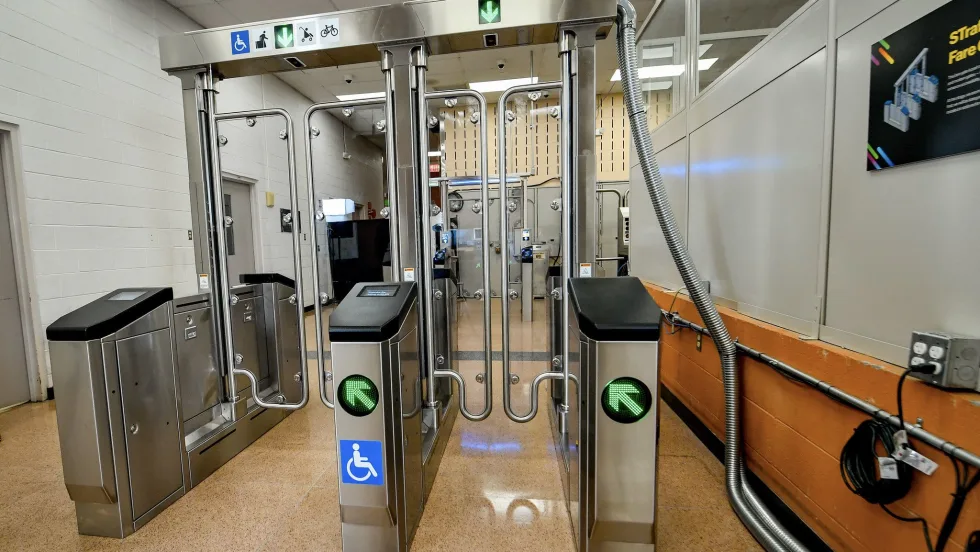
MTA Fare Gate Pilot Reduces Fare Evasion by 35%
Following a 20-station pilot, the agency plans to install new fare gates at 20 additional subway stations as part of a $1.1 billion modernization initiative.
Read More →
California Law Extends AC Transit’s Bus Lane Camera Enforcement
The new law allows AC Transit to continue using forward-facing bus cameras to enforce parking violations in bus-only lanes and at bus stops.
Read More →