
Metro Magazine

 MENU
MENU SEARCHMENUSEARCH
APTA first started the event in June 2006 when gas prices had reached $3 per gallon and the public demand for public transportation was growing in response to high gas prices.
Read More →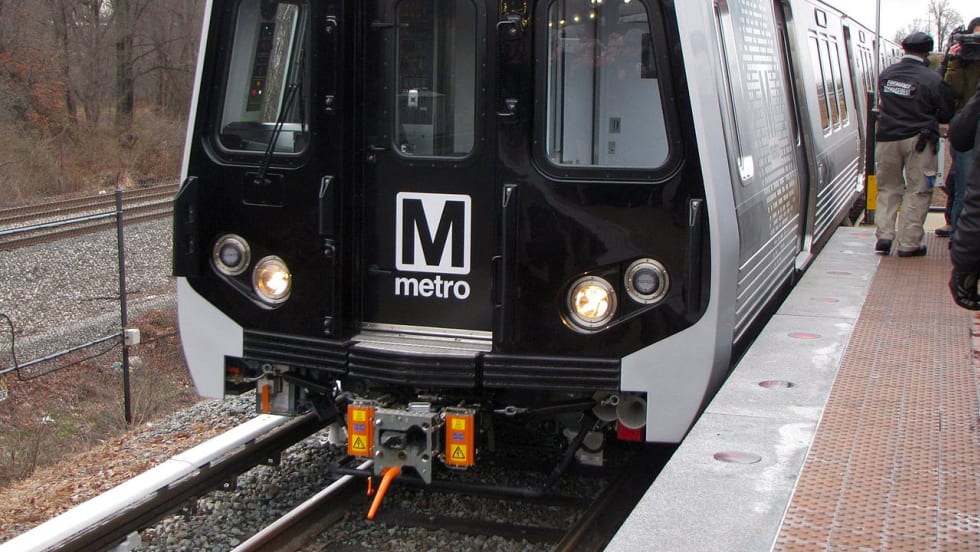
In addition, APTA awarded Société de transport de Montréal with an official certificate for earning Gold-level recognition in the APTA Sustainability Commitment program.
Read More →
The savings are based on the cost of commuting by public transportation compared to the cost of owning and driving a vehicle.
Read More →The first thing to understand about P3s is that they are primarily a money-saving strategy and are still expected to earn a return on investment.
Read More →The parking benefit increased this year to $250, thanks to a cost-of-living adjustment implemented by the Internal Revenue Service, while the public-transportation benefit declined to $130.
Read More →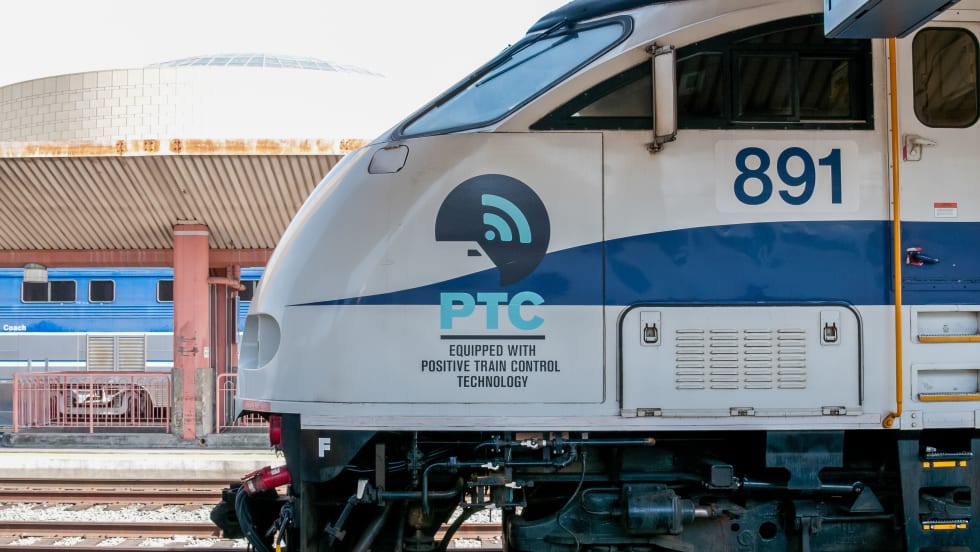
The California rail system turns from tragedy to triumph as it moves toward completing positive train control installation on its rail lines by 2015. The expedited effort was spurred in part by the 2008 collision that killed 25 passengers. For many systems, though, gaining radio frequency spectrum remains a challenge.
Read More →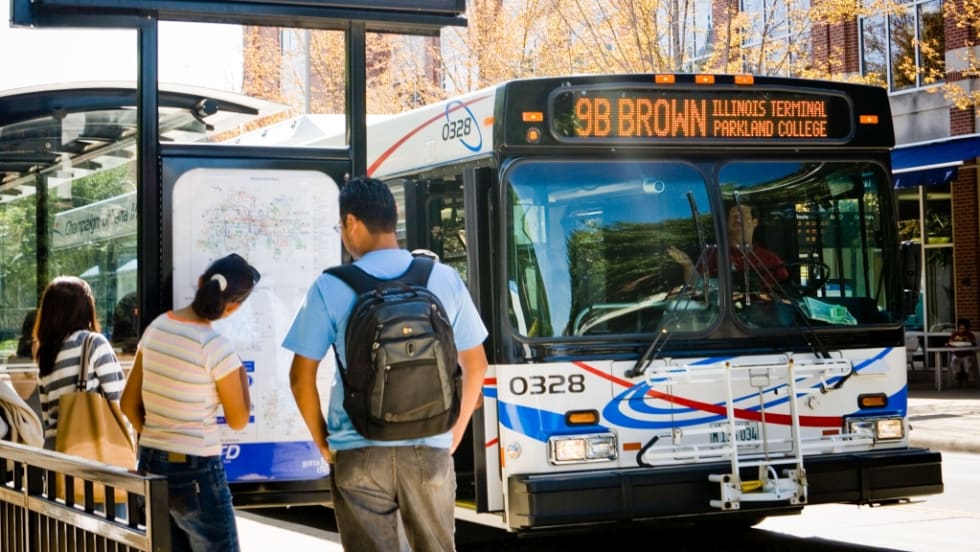
The call seeks to protect the industry, and subsequently other industries, from patent trolls — shell companies that purchase patents with no intention of innovating, but instead sue those who do.
Read More →Will lead to 50,700 jobs per $1 billion invested, with 28,900 jobs per $1 billion attributed to the productivity gains enjoyed by households and businesses.
Read More →The monthly APTA Transit Savings Report examines how an individual in a two-person household can save money by taking public transportation and living with one less car.
Read More →Transit Savings Report examines how an individual in a two-person household can save money by taking public transportation and living with one less car.
Read More →