



Pub Perspective: The most important P in PPP is the last one
The first thing to understand about P3s is that they are primarily a money-saving strategy and are still expected to earn a return on investment.
This year, APTA’s business members have put together a series of conference sessions that showcase new business models involving more private sector participation in providing service. The ideas range from additional financing strategies to innovative ways of maintaining railcars and buses. While there is great potential in public-private partnerships — or “P3s” as they are known — it would be a grave mistake to assume they are the complete answer. In fact, the better people understand that the most important word in the phrase “public-private partnership” is “partnership,” the more solid the future of P3s — and the industry — will be.
Help in saving money or finding new money
The growing interest in P3s comes from several concerns about our industry’s basic paradox, right now. At a time when our services haven’t been this popular since when Dwight D. Eisenhower was president, it is becoming harder and harder to meet that demand. Not only are costs beginning to climb again, competition, even for the record levels of funding we continue to see, has never been higher.
As the Highway Trust Fund and the Mass Transit Account both speed toward insolvency, many in Congress, as well as outside, assume others, particularly the private sector, will take up the slack if there is truly a need. Unfortunately, this will not happen.
True, many cities are voting to increase local funding for public transportation, but the fine print in almost all of these ballot measures assumes there will be a federal piece of the funding package.
Second, like any other government, states and cities also have competing priorities, so their ability to step in can only go so far. Finally, very few industrialized countries fund their entire public transportation program from a single level of government or a single source. That means that partnerships are the rule, not the exception, to good transportation policy.
Private sector only one of many partners
For P3s to work, the private partners need public partners they can count on. In fact, in the places where P3s are used extensively — and almost all other countries use them more than the U.S. — the commitments are clearly spelled out in the law and in development agreements, which are in place well before any contract is signed. However, there are many states and cities where P3s are still not even legal.
The first thing to understand about P3s is that they are primarily a money-saving strategy and are still expected to earn a return on investment, which usually is paid from the savings achieved by delivering the project faster than with conventional methods. The second thing is that P3s need other reliable funding sources so that they can manage the commercial risk. That means that the time when policymakers want to rely on P3s more is no time to let trust funds go insolvent.
More Bus

More Than a Summer Job: Building the Next Generation of Transit Talent
The Delaware River Port Authority and PATCO have transformed their internship program into a hands-on professional development experience that introduces students to the breadth of transportation careers — and creates a pipeline for future employees.
Read More →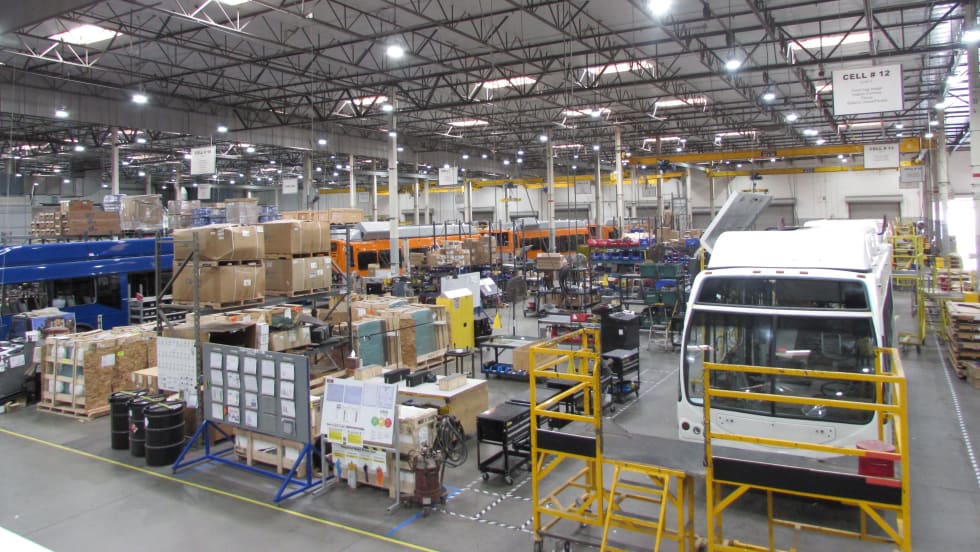
LA Metro Board Awards 220 Battery-Electric Bus Contract to ENC
The contract, which is the largest base award of battery-electric buses by a U.S. transit agency, will be built in Southern California, sustaining good jobs as LA prepares to welcome the world in 2028
Read More →
Public Transit Conference Returning to GFX in 2027, Call for Papers Now Open
The Call for Papers is now open, allowing transit agency professionals and industry experts to help shape the PTC educational program by submitting session ideas for consideration.
Read More →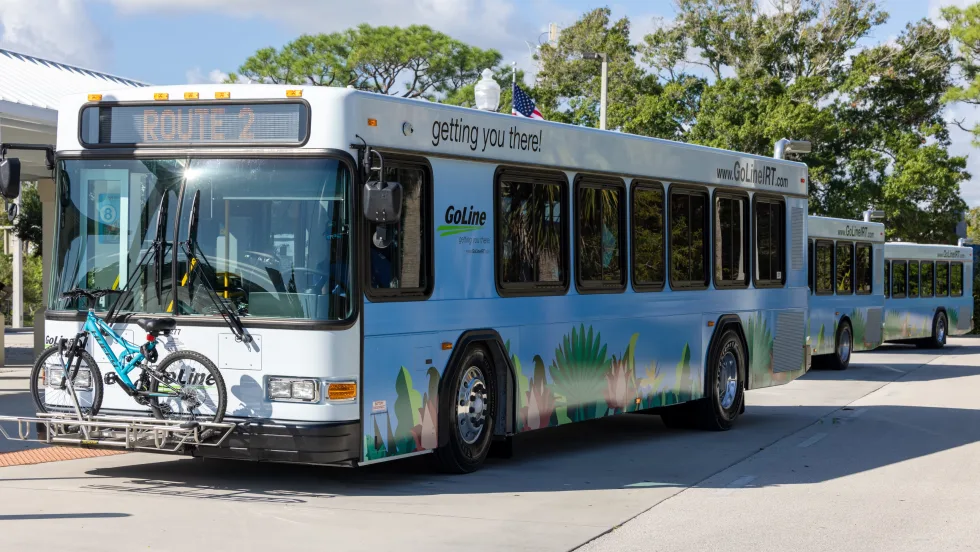
Indian River Transit’s Community-Focused Approach Earns National Recognition
Named APTA’s 2026 Outstanding Public Transportation System in its size category, Florida’s Indian River County transit system continues to grow ridership through fare-free service and a focus on evolving community needs.
Read More →
ENC Lands MATA Contract and More in Biz Briefs
In this edition of Biz Briefs, we spotlight the latest developments shaping the future of mobility.
Read More →
From Surviving to Thriving: Building Stronger Transportation Organizations
Bus Business Consultants founder Brian Dickson shares lessons on leadership, organizational health, and creating options for long-term success in a changing transportation industry.
Read More →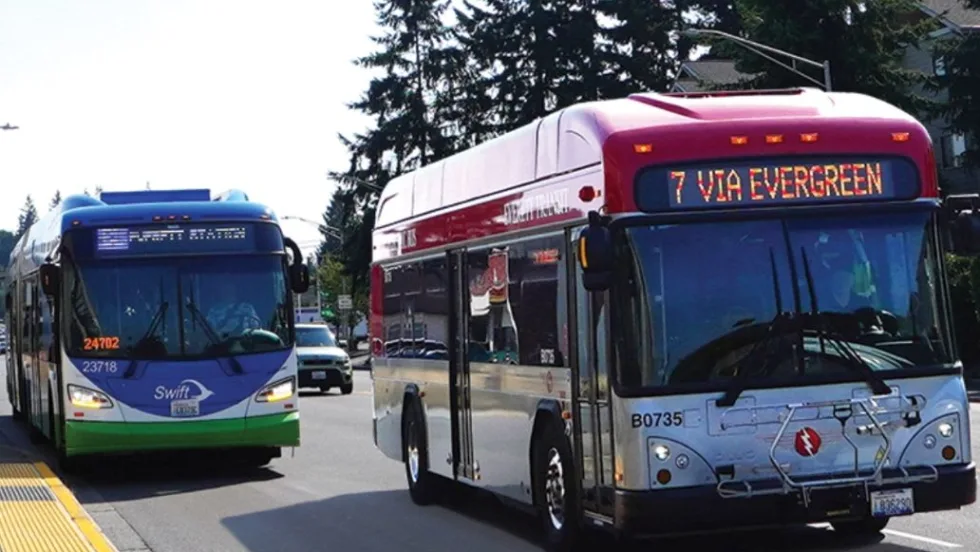
Everett Transit, Community Transit Outline Consolidation Agreement
The proposed agreement calls for a 50% increase in bus service in Everett, a new microtransit zone, continued paratransit service, and the transfer of Everett Transit operations to Community Transit.
Read More →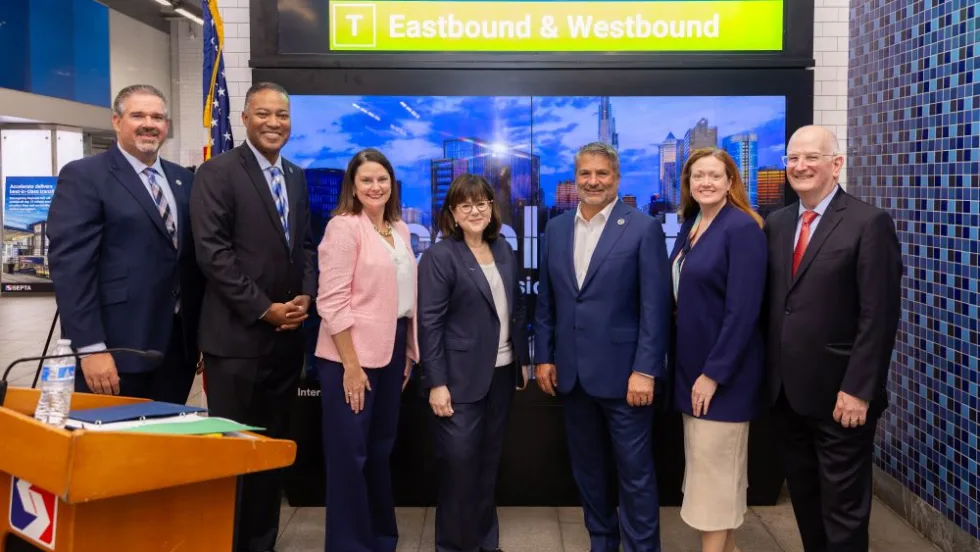
SEPTA Details Accelerate Vision for Transit System
The plan outlines investments in trolley modernization, new Metro and Regional Rail vehicles, accessible stations, and more frequent bus and rail service.
Read More →
Report: Transit Bus Manufacturing Supports 34,100 Jobs, $5.1B in GDP
The “Buses Mean Business” report examines the transit bus manufacturing industry’s economic footprint, supply chain, and rising demand for vehicle replacements.
Read More →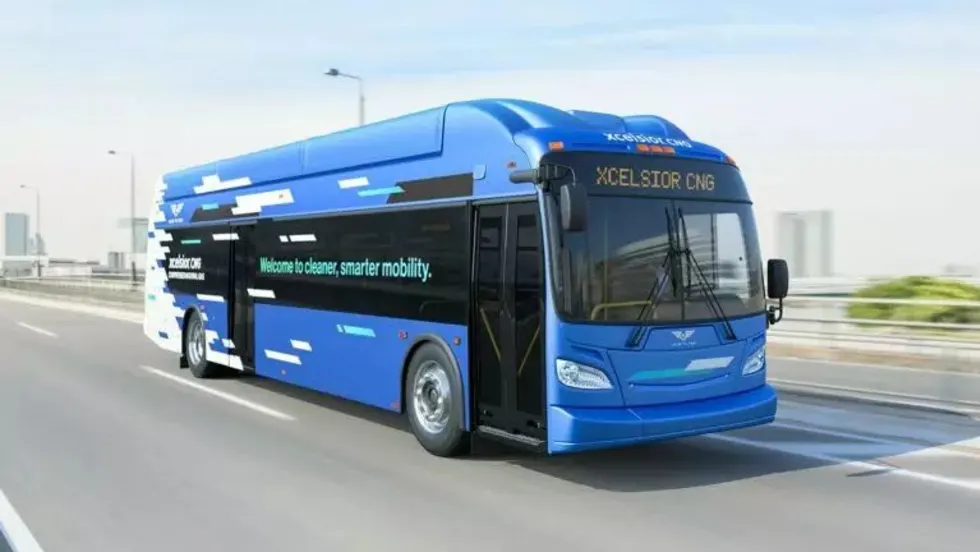
Biz Briefs: New Flyer Delivers in Columbus, Houston, Beep and Freebee Merge, and More
In this edition of Biz Briefs, we spotlight the latest developments shaping the future of mobility.
Read More →