



D.C. Metro wins APTA Rail Roadeo top prize
In addition, APTA awarded Société de transport de Montréal with an official certificate for earning Gold-level recognition in the APTA Sustainability Commitment program.

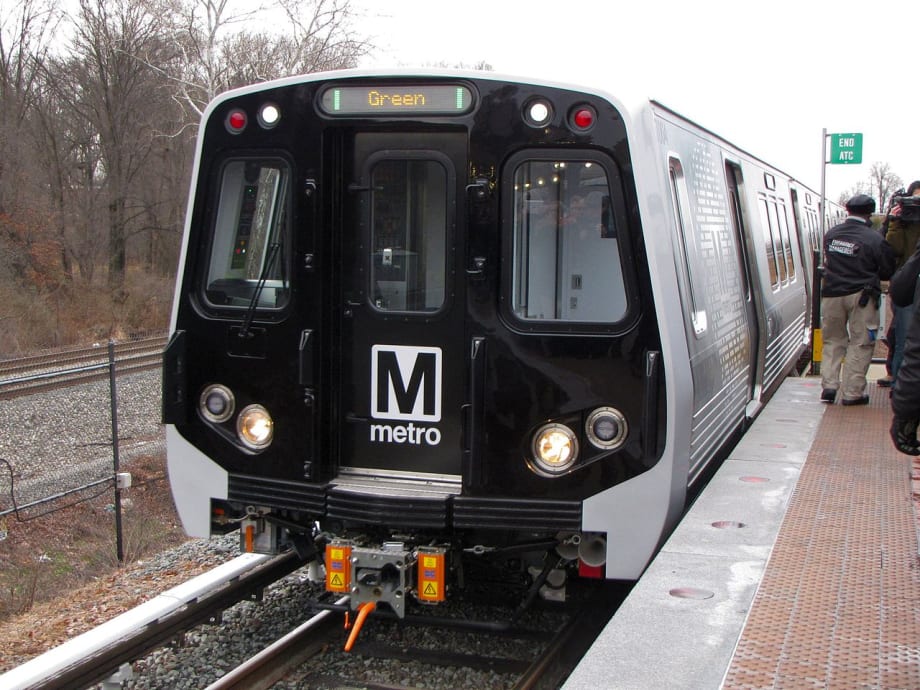
Photo courtesy Ben Schumin

The Washington Metropolitan Area Transit Authority (Metro) won the prestigious Rail Transit Team Achievement Award at the 22nd annual American Public Transportation Association (APTA) International Rail Rodeo held June 14 and 15 in conjunction with the 2014 APTA Rail Conference in Montreal, Quebec.
The Rail Transit Team Achievement Award is given to the system with the highest rail operator and maintainer team combined score. The winning team members were Roberta Randolph, Michael Holt, Mihireteab Kuratie, Jacob Stout and Roland Lamar.
“Our rail operators and maintainers work day in and day out to make sure that America's fleet of trains is well maintained and that customers are provided safe and courteous service," said APTA President/CEO Michael Melaniphy. “I applaud all of this year's winners for being the very best of the best.”
The Operators’ Competition measures professional skills including train operation; knowledge of safety regulations; train equipment; and track right-of-way rules and procedures. First place in the Operators’ Competition was won by Roberta Randolph and Michael Holt of Metro. David Resendez and Jesus Valdez of the Los Angeles County Metropolitan Transportation Authority placed second. The team of Christina Robinson and Robert Yawn from Bi-State Development Agency in St. Louis took third-place honors.
The Maintainers’ Competition judges the ability to troubleshoot maintenance problems. Oakland. Calif.’s Bay Area Rapid Transit District team earned first place, with the Southeastern Pennsylvania Transportation Authority and the Denver Regional Transportation District teams taking second and third place, respectively.

In addition, APTA awarded Société de transport de Montréal (STM) with an official certificate for earning Gold-level recognition in the APTA Sustainability Commitment program.
Chair Phillipe Schnobb and CEO Carl Desrosiers received the award for STM’s sustainability commitment, which resulted in decreasing air pollutant emissions per produced seat mile (PSM) by 43% from 2006 to 2012. In addition, STM achieved a 17% reduction in electricity use and a 7% reduction in fuel use per PSM over this period.
Among STM’s signature policies are an initiative to pursue LEED certification for all new buildings, as well as a policy to reduce emissions by purchasing only electric vehicles by 2025.
Launched in 2009, the APTA Sustainability Commitment program recognizes and encourages public transit agencies and businesses to make a voluntary commitment to putting processes and actions into place which allow for continuous improvement on environmental, social and economic sustainability.
More Rail
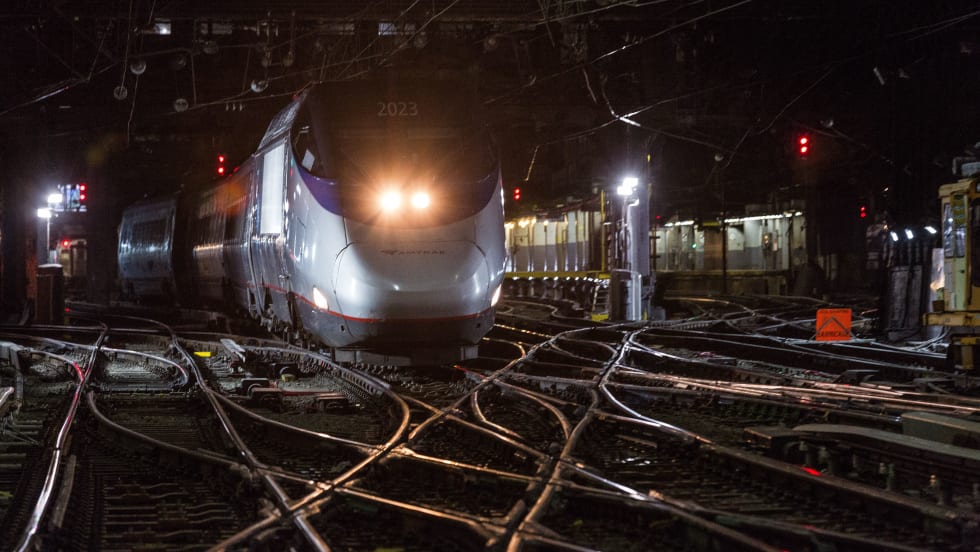
Amtrak Board Advances Plan to Restructure Organization, Seeks Public Input
The proposal, developed by Amtrak management and approved by the board for further consideration, is intended to modernize the organization's structure while improving accountability, operational efficiency, and customer service.
Read More →
Biz Briefs: STV teams with Amtrak, Motorcoach Operators Boost Fleet and Land Contracts, and More
From manufacturers and suppliers to transit agencies and motorcoach operators, these updates offer a snapshot of the projects, partnerships and business moves driving the industry forward.
Read More →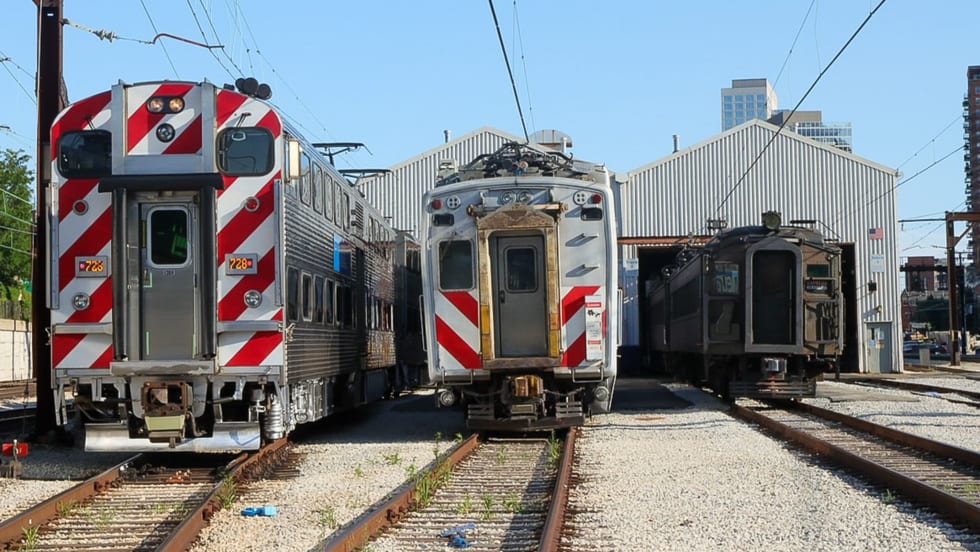
Metra Celebrates 100 Years of Electric Rail, Looks to the Future
The event was also a celebration of recent reforms to public transportation in the Chicago area, changes that could be as transformative in the future as the major civic achievement a century ago, said officials.
Read More →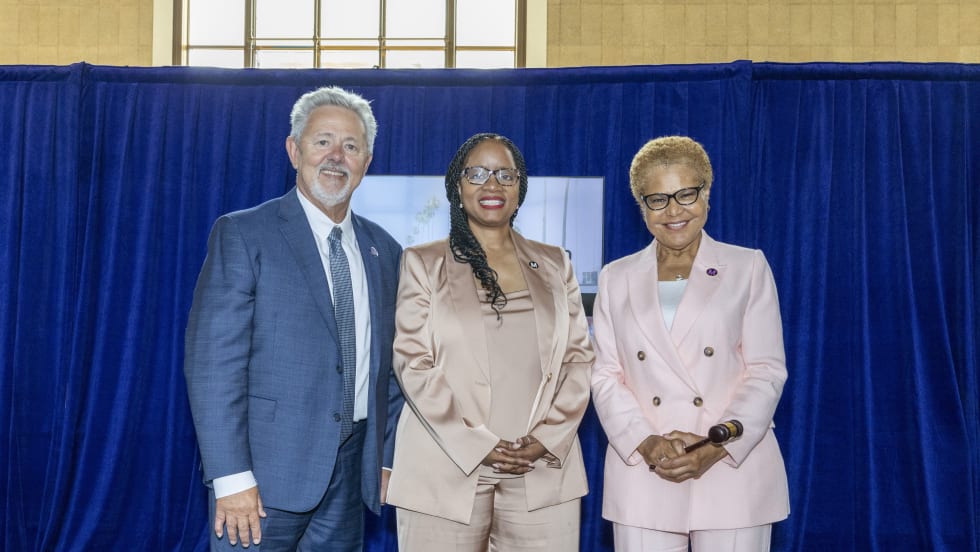
LA Metro Marks Banner Year, Sets Ambitious Goals for New Fiscal Year
Incoming LA Metro Board Chair and Los Angeles Mayor Karen Bass joined outgoing Board Chair Fernando Dutra and LA Metro CEO Stephanie Wiggins to review accomplishments from fiscal year 2026, which included the opening of new rail extensions, advancement of major transit projects, expanded safety programs, and new rider amenities.
Read More →
DART Taps Nathaniel P. Ford Sr. as Next President/CEO
Since 2012, Ford has served as the CEO of the Jacksonville Transportation Authority
Read More →
California High-Speed Rail Authority Signs MOU to Advance High Desert Corridor
The agreement deepens collaboration between the California High-Speed Rail Authority and the High Desert Corridor Joint Powers Agency, supporting design integration, cost savings, and faster delivery of a key Southern California rail link.
Read More →
Building the Next Generation of Transit Technology
In this edition of METROspectives, Luminator CEO Magnus Friberg discusses the company's transformation, the growing role of AI and software, and what's next for transit technology.
Read More →
How Data, Strategy, and Community Engagement Are Reshaping Transit
In this edition of METROspectives, strada360 CEO Steve Lassey discusses how transit agencies can better align planning with operations, leverage data to improve decision-making, and build public trust as they prepare for the future of mobility.
Read More →
TTC Launches Camera Pilot to Curb Illegal Passing of Streetcars
During the pilot, the cameras will measure how often illegal streetcar passing occurs and test the technology's reliability for future automated enforcement.
Read More →
NJ TRANSIT Secures Capital Funding, Adopts FY2027 Budget
The budgets continue investments in infrastructure and equipment to maintain the system in a state of good repair and enhance the overall customer experience.
Read More →