
Metro Magazine

 MENU
 SEARCHMENUSEARCH
Loading data...

The confusion over what to do now that gas prices have dropped will test how well transit authorities hang on to their big ridership increases from the past four months. Obviously, gas prices were the reason for the 10-percent-or-more boost in ridership numbers across the country this past summer.
Read More →


The Valley Transportation Authority rail line suffers from low ridership and high operating costs, with less than 1% of area residents riding it daily.
Read More →Compared to public transit ridership in 2016, there was a 2.9% decrease in ridership as bus ridership declined by 4.3%.
Read More →Finds that more people take public transit when they can access bus and train arrival times on their cellphones and computers. Ridership gains may not be larger because many riders may not be aware of the additional options for accessing arrival times.
Read More →Cost-effective technology solutions that enhance rider experience, grow ridership, and provide actionable data are essential.
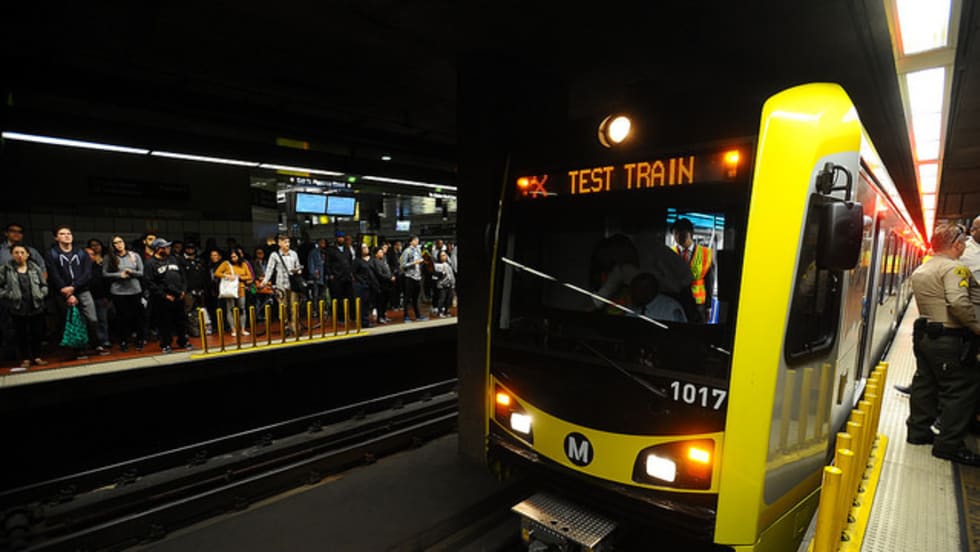
Read More →LA Metro is quickly approaching their pre-pandemic ridership levels, partially thanks to steadily increasing demand from leisure riders.
Read More →Daily ridership is now at 50% of TTC’s pre-pandemic levels and customer trips are more evenly spread throughout the day.
Read More →Edmond, Okla.'s Citylink bus service has grown ridership on its campus route, known as Broncholink, since it began operation of the service, which will require switching to a larger bus.
Read More →Comparing Thanksgiving 2009 to Thanksgiving 2008, there was a 5.5 percent increase in ridership on the Northeast Corridor, a 2.9 percent increase on state-supported trains and other short distance corridors, and a 4.7 percent increase on long-distance trains.
Read More →Transit Vision 2040 predicts that ridership levels will grow by 86 percent between now and 2040. Without a coordinated and strategic approach, transit systems across Canada will be unable to make their full contribution to quality of life.
Read More →