
Metro Magazine

 MENU
MENU SEARCHMENUSEARCH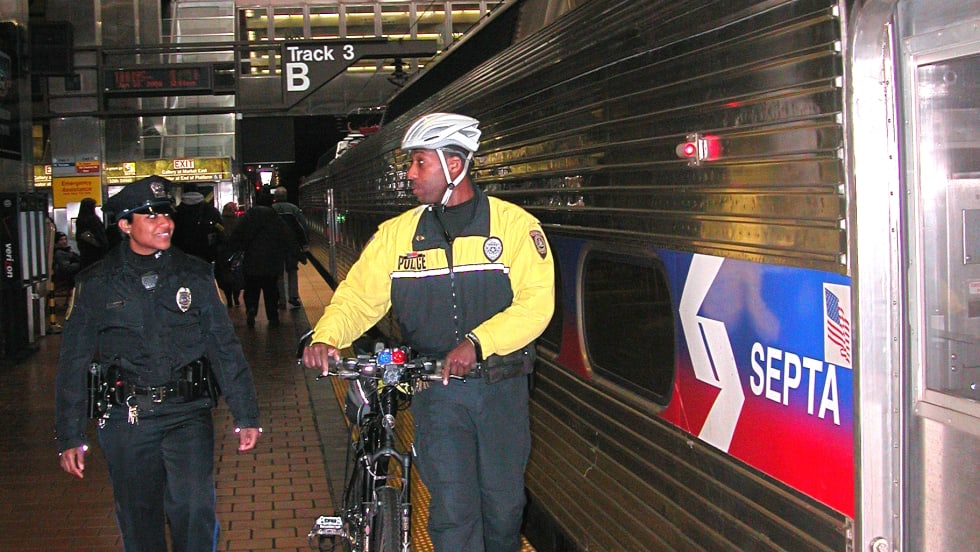
When "opportunistic thefts" began growing after cell phone service was introduced in the subways, transit police noticed that many thieves got into the subway without paying.
Read More →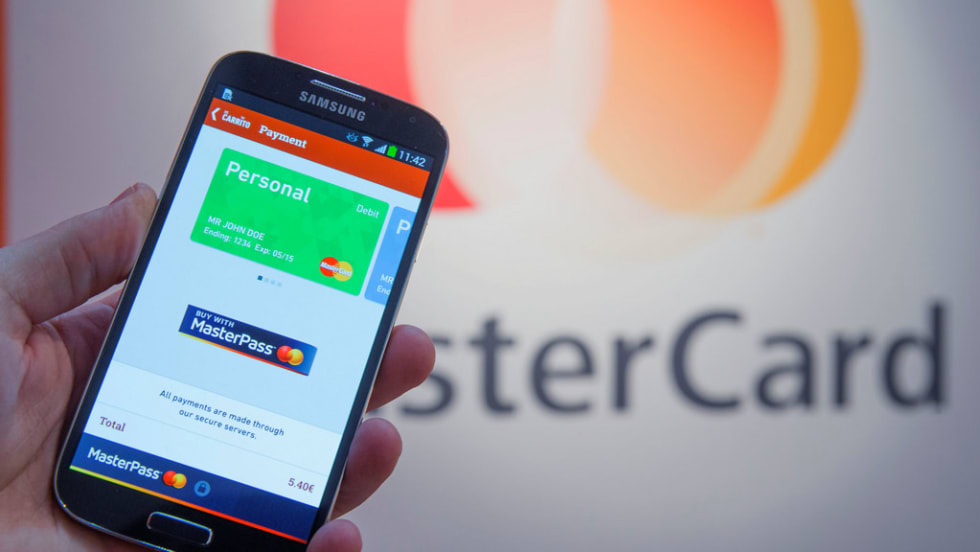
As part of the agreement, MasterPass, MasterCard’s secure digital payment service, will be integrated with Cubic’s NextWave ticketing and journey planning app.
Read More →
The reduced ORCA LIFT fare will be available to riders earning at or below 200% of the federal poverty level, about $23,340 annually for an individual or $47,700 for a family of four.
Read More →
The new smart card is expected to begin public pilot testing later this year and will be fully deployed once testing is complete.
Read More →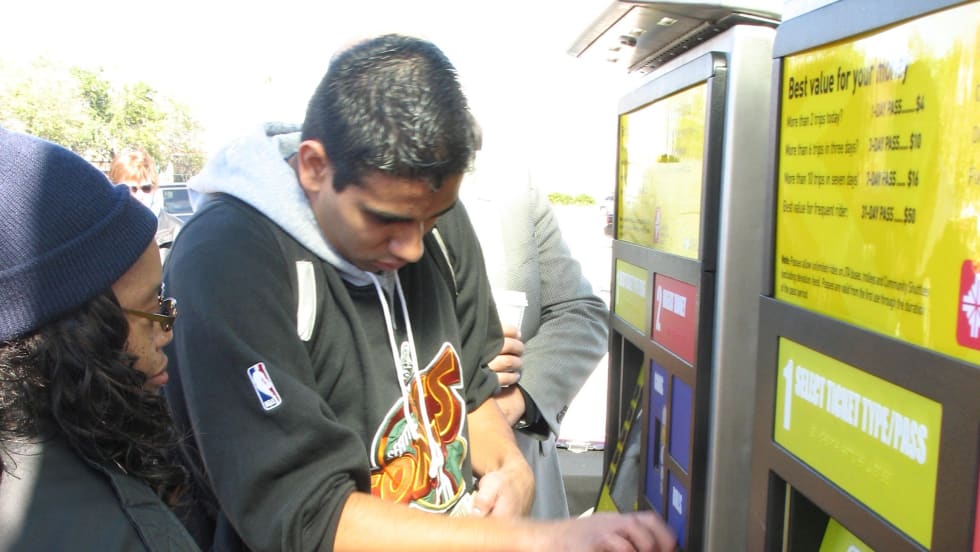
With a phased approach, agencies can make a smooth transition and also increase passenger convenience and flexibility, as well as boost ridership.
Read More →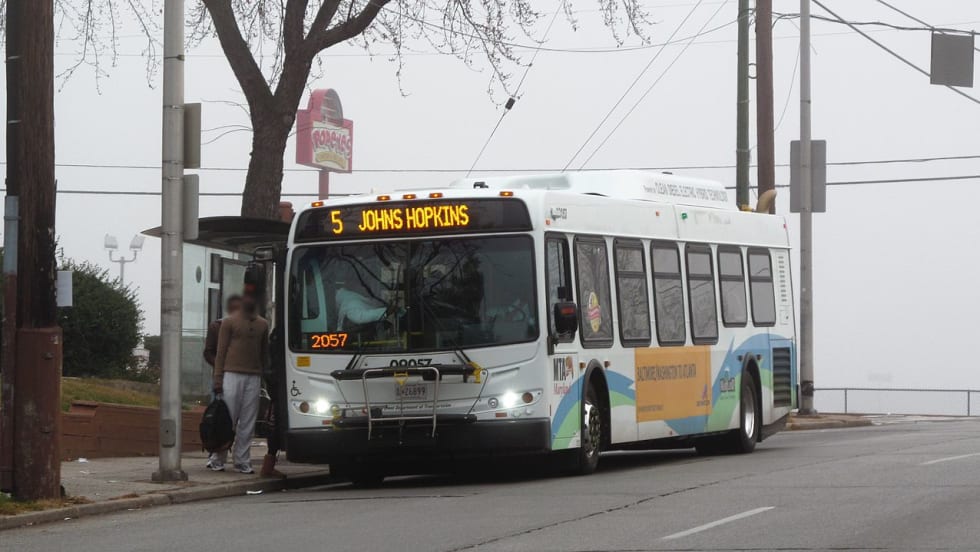
One major issue the audit found was the MTA effectively paid double for fueling its paratransit fleet, by including fuel costs in the hourly payment and then paying again for fuel separately. The overpayments totaled about $10 million.
Read More →
Kim Green is taking on a new role as executive director of Business Development for Genfare. Darren Dickson will take on the role of president of SPX Genfare.
Read More →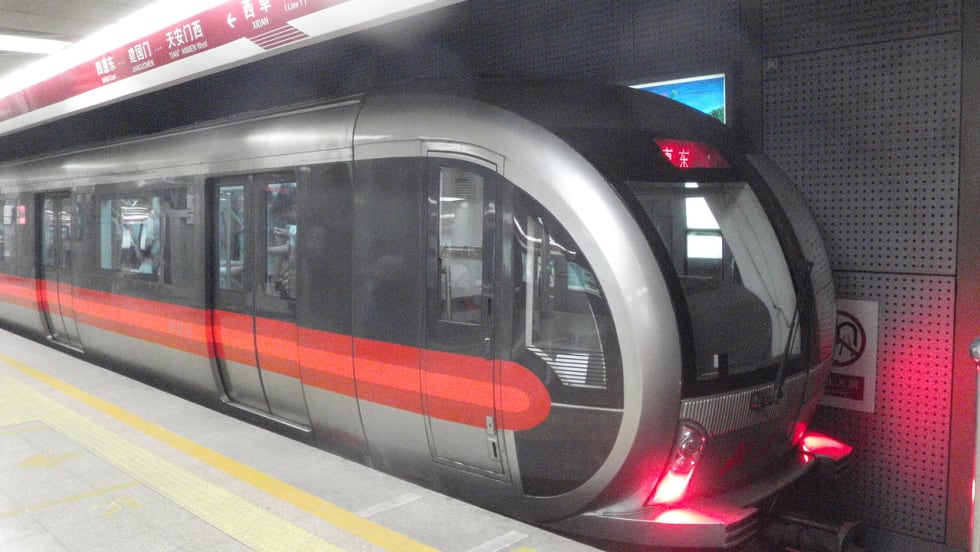
In addition to public transit, the device's paying function will extend to supermarkets, convenience stores, restaurants, vending machines and restaurants.
Read More →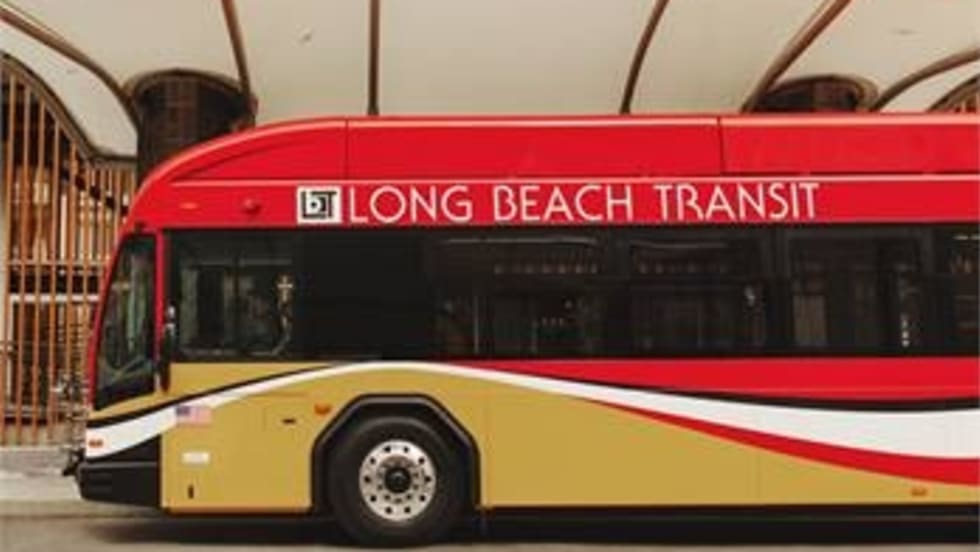
As of Sunday, Long Beach Transit riders can no longer purchase most paper bus passes or use pennies to pay for fares.
Read More →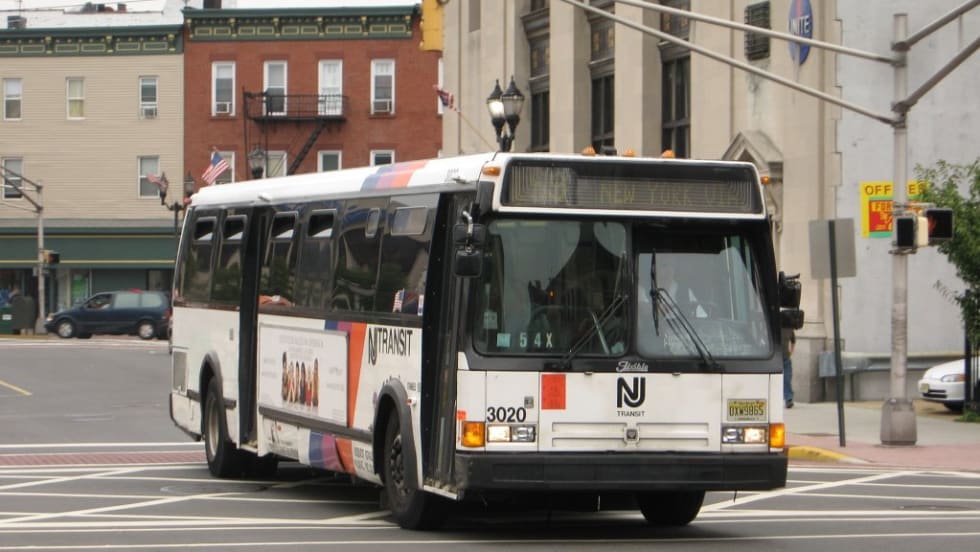
Currently available on all rail lines and most South Jersey bus routes, MyTix will enable bus customers on routes serving Port Authority Bus Terminal, Lower Manhattan and George Washington Bridge to purchase and display monthly interstate bus passes on their mobile devices.
Read More →