



SEPTA fare collection system gets ‘smart,’ retires tokens
Philadelphia region commuters will soon be able to stop counting coins in order to use public transit once the Southeastern Pennsylvania Transportation Authority (SEPTA) rolls out its new chip-enabled fare payment system.

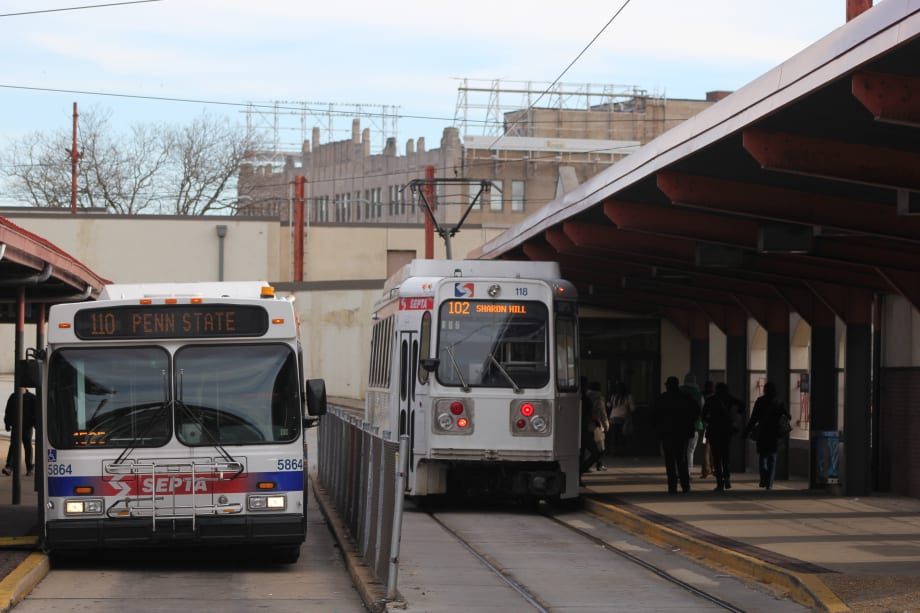
SEPTA is still in its testing and pilot phase of its new fare collection system, but has 10% of the infrastructure in place.
SEPTA is still in its testing and pilot phase of its new fare collection system, but has 10% of the infrastructure in place.
Philadelphia region commuters will soon be able to stop counting coins in order to use public transit once the Southeastern Pennsylvania Transportation Authority (SEPTA) rolls out its new chip-enabled fare payment system.
The new system, called the SEPTA Key, will allow riders to choose between a reloadable SEPTA Key card, any chip-enabled credit or debit card, and in the future, an app for NFC-enabled smartphones that can pay right at the turnstile or bus farebox.
SEPTA is still in its testing and pilot phase, but has 10% of the infrastructure in place. Currently, there are 68 fare kiosks, 97 turnstiles, 10 ADA gates, and more than 200 validators at subway stations and on buses, trolleys and trackless trolleys.
The SEPTA Key is not available to the public just yet, but Leslie Hickman, deputy chief officer, SEPTA Key integration, said riders can get their hands on them sometime in 2015.
SEPTA will roll the Key out in phases. Phase one will include bus, trolley, trackless trolley and subways. Stage two of the rollout, scheduled to start in 2016, will include the Regional Rail network, Customized Community Transportation paratransit service and parking.
Riders who can use SEPTA Key first will be those who use transit modes, including buses, subways, trolleys and trackless trolleys.
As the fifth largest transit system in the country, it seems odd that a smart card system hadn’t been implemented earlier on. Cities like Chicago and Boston retired the token system years ago, and New York just marked its 20th year of using MetroCard.
SEPTA began conceptualizing a way to phase out metal coins and paper transfers a number of years ago, but lack of funding stifled the process.
“Our aging transit system and infrastructure were top priority, so all of our funds were dedicated to improvements,” said Dennis Hiller, chief officer, revenue and ridership, for SEPTA.
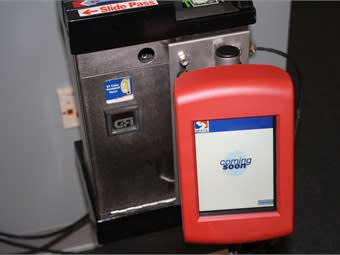
Currently, there are 68 fare kiosks, 97 turnstiles, 10 ADA gates, and more than 200 validators at subway stations and on buses, trolleys and trackless trolleys.
SEPTA is funding the project with a construction-like loan that will be repaid with federal grants. Xerox was awarded a $130 million contract to build the system. There are also a number of companion projects, such as improvements to communications systems and the laying of new fiber-optic lines, to support SEPTA Key.
Hickman and Hiller emphasize the ease of SEPTA Key.
“You won’t need to have exact change anymore, or figure out where to buy a fare instrument. You can buy it online if you want to,” said Hickman. “The SEPTA Key will transform the way the people in this region ride transit.”
One of the biggest challenges SEPTA is trying to overcome lies within the learning curve. “We have an education challenge and are starting to educate all our operators and cashiers who will no longer be behind a booth, but directing people if they need assistance,” said Hickman.
She also acknowledges there will be an adjustment phase to the new system, which they anticipate. “We are going to keep everyone from our regular riders to the occasional rider informed on details about the SEPTA Key,” she added.
On top of the improved customer convenience, the new system will also contribute to improving rider data that SEPTA couldn’t track before. “From this we are going to be able to get fare-related data to develop a better fare policy and better identify inefficiencies in the system,” said Hiller.
More Management

METRO Opens Submissions for 2026 Motorcoach Awards
Nominations are now being accepted for METRO Magazine’s Operator of the Year and Innovative Operator of the Year awards.
Read More →
New York MTA Advances Final Contract for Second Avenue Subway Expansion
Contract Four is the largest in the Second Avenue Subway Phase 2 project and includes construction of station infrastructure, tracks, and signals for the subway expansion, MTA officials said. Work on Contract Four will begin in 2027.
Read More →
Transit Agencies Highlight Safety Gains at National Summit
Leaders from 15 major transit systems shared crime-reduction results and safety initiatives while discussing the role of continued federal support.
Read More →

NITA Names New Leadership, Expands Reduced-Fare Program at First Board Meeting
The new regional transit authority appointed its first board chair and interim executive director while extending reduced fares across CTA, Metra, and Pace for eligible riders.
Read More →
Beyond the Checklist: A Structured Approach to Transit Maintenance
Reliability-Centered Maintenance helps transit agencies move beyond routine checklists to focus limited resources on the assets and failures that have the greatest impact on safety, reliability, and service.
Read More →
APTA 2026 Nominating Committee Selects Leadership Slate, Names Chair and Vice Chair Nominees
Leadership changes will help shape the association’s priorities and its representation of the transportation industry during the 2026–2027 term.
Read More →
DART Launches Major Security, Fare Enforcement Initiative
The 90-day demonstration will deploy coordinated security teams at five light rail stations while testing controlled access and gathering data to guide future investments.
Read More →
Advancing Fare Collection Through Technology and Innovation
Learn about delivering 1300 gates at 91 stations while managing fare evasion. Explore the large scale deployment, solution customization and real-world results that affect the region. Prepare for deployment in your region now.
Read More →
Game Day in Motion: Moving Millions During the 2026 World Cup
Between packed transit stations and team motorcoaches, see how agencies and operators across North America tackled the transportation demands of the 2026 FIFA World Cup.
Read More →
Surface Transportation Extension Averts Shutdown, Leaves Transit Funding Gap
The stopgap keeps federal transportation programs moving, but missing advance funding could complicate the transit and rail projects agencies are planning next.
Read More →