
Metro Magazine

 MENU
MENU SEARCHMENUSEARCH
Loading data...
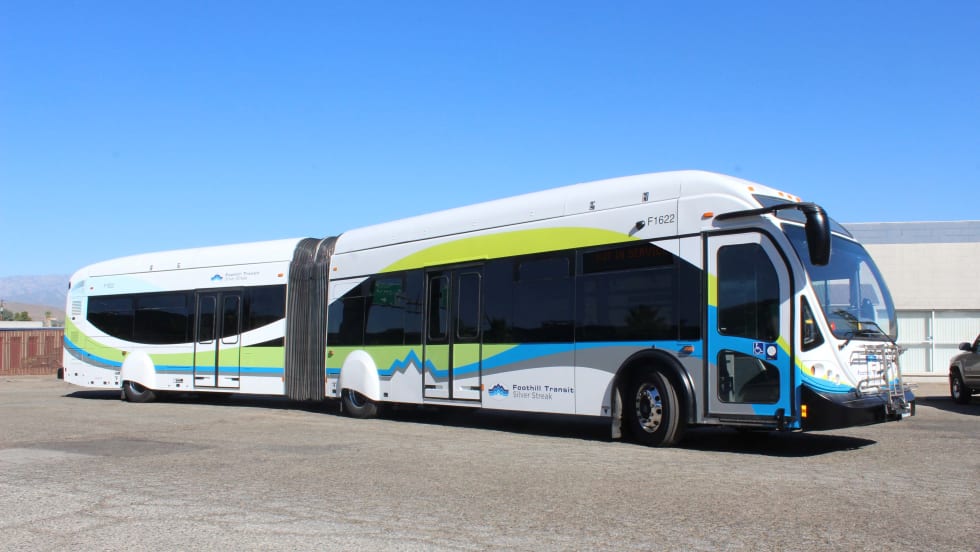
The contract, which includes repowering and repainting 30 artic buses, is expected to be completed this winter.
Read More →
Finding new funds for Metro, and insisting that it improve its performance, are both critical to the region’s economic future, according to a report.
Read More →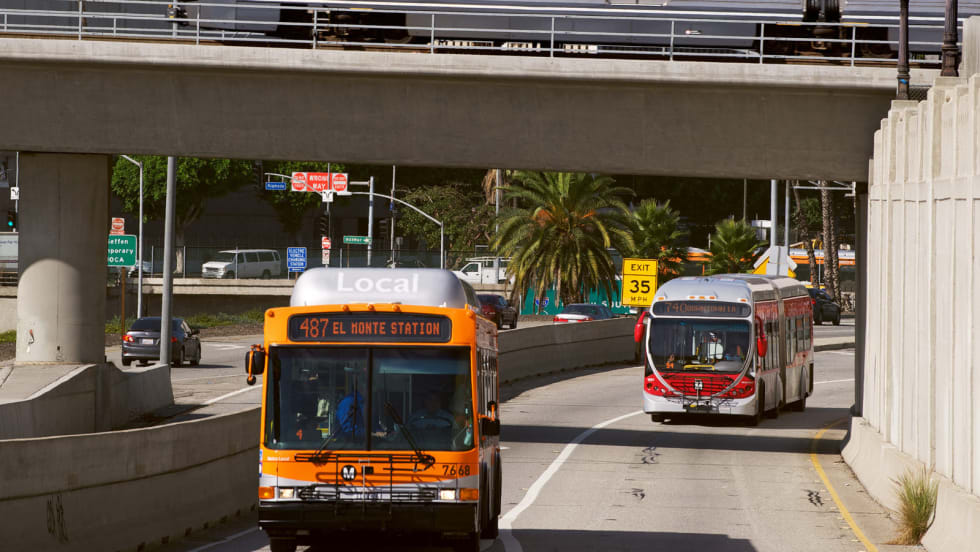
Provides transportation operations a consolidated, data-rich, and near real-time source of information for transportation in Southern California via an interface that allows for coordinated transportation management throughout the region.
Read More →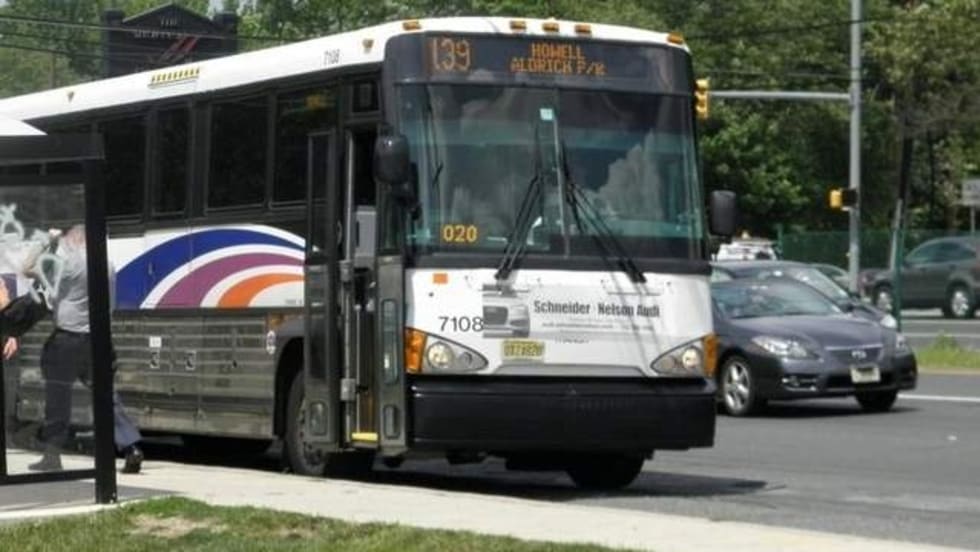
In July 2016, New Jersey Gov. Chris Christie had issued Executive Order No. 210 directing the immediate and orderly shutdown of all ongoing work funded under the TTFA.
Read More →
Robert Babbitt will continue to stay involved in with the company, working as a consultant and helping ensure a smooth transition to new leadership.
Read More →
Gannon, 47, served as interim GM from March 2016 until now. He was Metro Deputy GM from 2013-2016, and Human Resources manager for the King County DOT from 2011-2013.
Read More →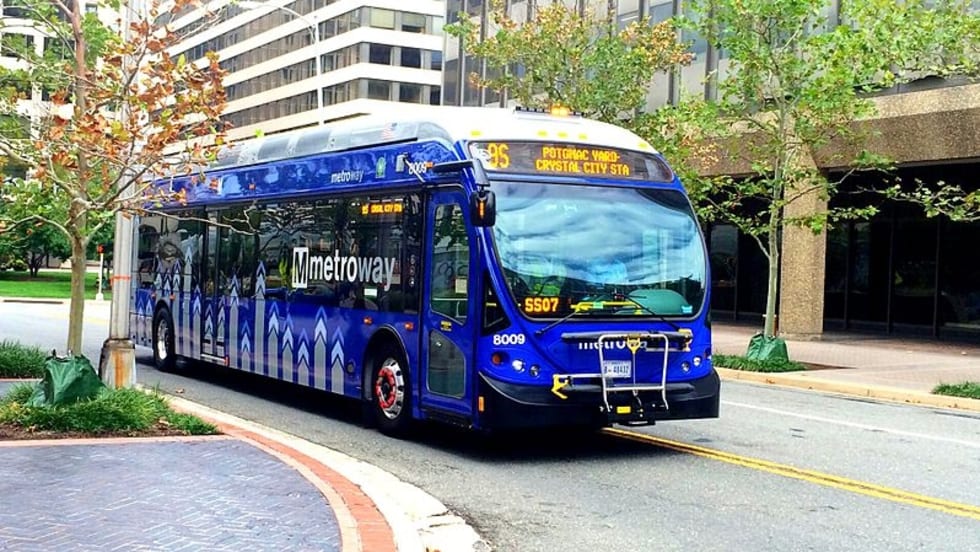
...as a transportation planner who has worked on bus rapid transit-style systems in the greater Washington region, I’ve noticed a disconnect in the public’s expectations versus the reality of the systems they’re getting. It got me wondering: do people have an accurate picture of what BRT means or the benefits the systems provide? During public-planning sessions, I’ve heard a lot of feedback on BRT. The gist is, “That’s really nice that the bus is a different color and the station platform is fancy, but I just want it to be on time.”
Read More →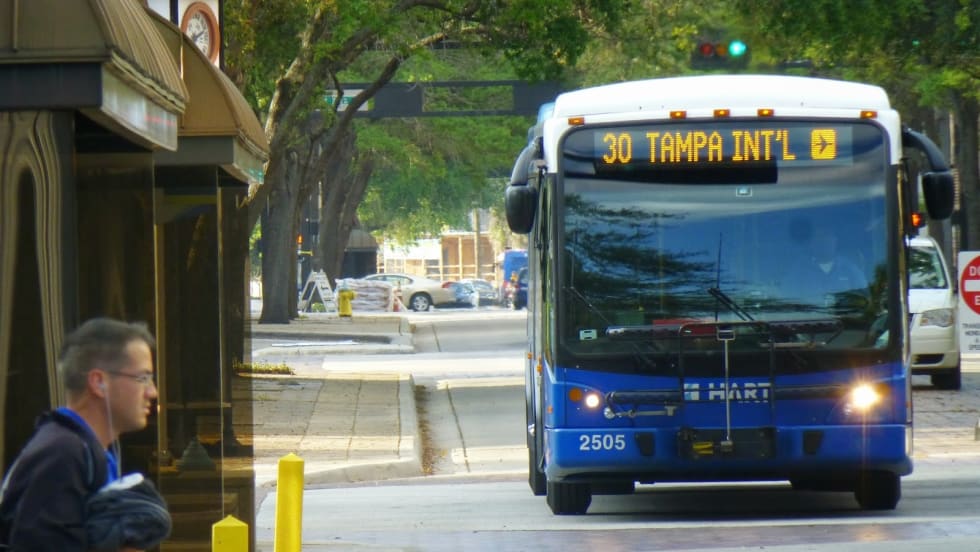
The project would be one of the first of its kind in the U.S. utilizing autonomous technology and has the potential to become a genuine problem solver, according to FDOT and HART.
Read More →
In April 2015, LBT’s board selected BYD as its vendor to bring electric buses to Long Beach, as well as the 12 other cities the transit agency serves.
Read More →
Long-term deals on fuel and increased non-fare revenue have helped CTA cope with reduced funding from the state and a decline in ridership, which fell to just under 500 million in 2016.
Read More →